
REVIEW · MOSTA, DINGLI AND INLAND MALTA
The Limestone Heritage Park and Gardens (Entry Ticket)
Malta’s limestone tells stories you can walk into. At The Limestone Heritage Park and Gardens in Siggiewi, I love how the audio-guided route blends outdoors and indoors, and how the place spotlights the geology of the islands. I also like that the visit is hands-on in the best way, with live stonework demonstrations and even time with an animal farm. One thing to consider, this attraction is smaller than some big-name sites, so plan your day around a focused visit rather than a long sightseeing day.
If you like getting your bearings fast, this one helps. The attraction runs on an audio-visual presentation plus a self-paced walkthrough in 17 languages, then you choose where to linger, whether that is the geology stops, the Punic tomb, the citrus gardens, or the farm.
In This Review
- Key Highlights You Will Feel Immediately
- Why Siggiewi’s Limestone Heritage Park Feels Different
- Price and Value: What You Get for About $11
- Starting Off Right: The Audio-Visual Presentation in 17 Languages
- The Audio-Guided Walkthrough: How to Pace Yourself Outdoors
- Museum Hall and Geology: Turning Malta’s Limestone into the Main Story
- The Punic Tomb Dating to Around 400 B.C.
- Live Stonework Demonstrations: What You Watch vs What You Try
- Citrus Gardens and the Farm Animal Park Break
- Food, Tea, and Maltese Tuna Ftira on the Grounds
- Timing and Opening Hours: When This Works Best
- Who Should Book This and Who Might Skip It
- Should You Book The Limestone Heritage Park and Gardens?
- FAQ
- What is the location and duration of the Limestone Heritage Park and Gardens?
- How much does the entry ticket cost?
- What is included with the entry ticket?
- Is a live guide included?
- What food and drinks options are available?
- What languages are available for the audio guide?
- What are the opening days and hours?
- What is the last entry time?
- Is the ticket valid for re-entry?
Key Highlights You Will Feel Immediately
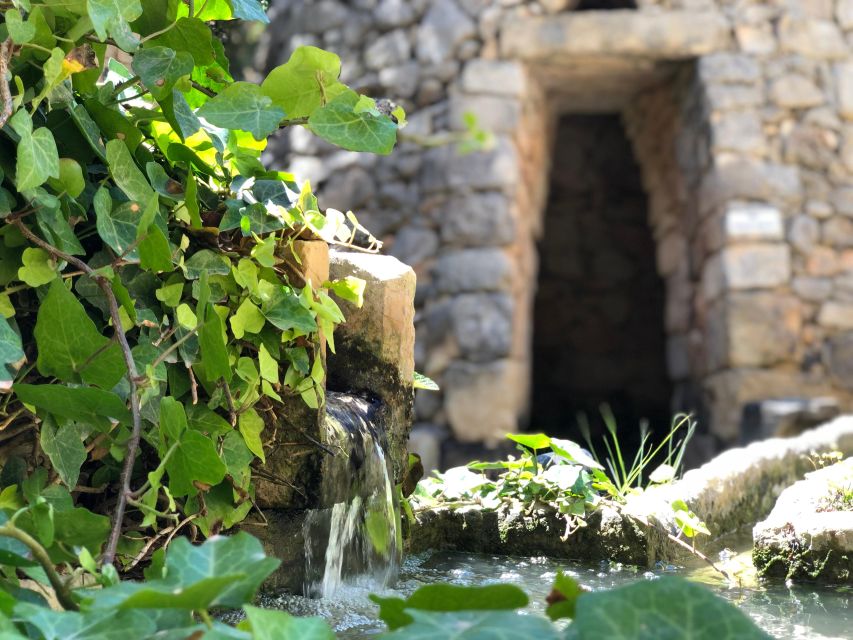
- Audio-visual intro in 17 languages sets the stage before you walk.
- Audio-guided walkthrough helps you pace yourself, without needing a live guide.
- Punic tomb access (to around 400 B.C.) gives real depth to Malta’s timeline.
- Geology section turns Malta’s limestone from background scenery into the main event.
- Live stonework demonstrations show how stone shaping actually happens.
- Citrus gardens and the farm animal park make the visit feel like a full, varied day.
Why Siggiewi’s Limestone Heritage Park Feels Different

Most Malta sightseeing focuses on temples, churches, and the grand classics of history. This is another angle. Instead of asking you to imagine how the island used stone, it quietly shows you the stone itself, where it comes from, and what it has carried for thousands of years.
Siggiewi is a traditional Maltese village, and the park feels like a family-run place that grew into an attraction. You do not just pass through exhibits. You move through a living environment of paths, gardens, and demonstration areas, with history threaded through it. That mix is exactly why the experience can work for couples and for families.
The big practical upside is that you control the flow. The setup is designed for a multi-part visit, with indoor elements and outdoor areas you can revisit as you like within your ticket time.
Price and Value: What You Get for About $11
At around $11 per person, this is one of the more straightforward-value attractions in Malta. You are not only paying for entry into a garden or a museum room. Your ticket includes a lot of separate elements that would cost more if pieced out elsewhere.
Here is what your entry typically covers:
- Audio-visual presentation (17 languages)
- Audio-guided walkthrough (17 languages)
- Museum hall access
- Geology section access
- Access to the Punic tomb dating to about 400 B.C.
- Citrus garden access
- Farm animal park access
- Live stonework demonstrations
- Plus the venue includes time to wander and choose what to linger on
The one catch for value is simple: food and drinks are not included. If you want lunch on-site, you will be paying for it separately. The park does offer tea and coffee and snacks like Maltese tuna ftira and a Maltese platter, served fresh, but you should budget for it if you plan to stay through meal time.
Also, because you are paying for a curated set of features, it helps to arrive ready to walk. If you are hoping for a quick stop with minimal movement, you might feel it is a lot for the time.
Starting Off Right: The Audio-Visual Presentation in 17 Languages

The experience begins with an audio-visual presentation designed to give you the map of what you are about to see. If you have bounced between museums all week, you know the problem: you either rush and miss context, or you slow down and still feel lost.
Here, the presentation does the heavy lifting. It frames Malta’s history and connects it to the limestone landscape, so the outdoor walking route makes more sense the moment you start. The presentation is available in multiple languages, and it is offered in a total of 17 languages, which includes English, French, German, Italian, Dutch, Russian, Spanish, Greek, Portuguese, Swedish, Danish, Finnish, Norwegian, Polish, Chinese, and Japanese.
I like this format because it supports different travel styles. You can listen closely and take in details, or you can treat it as a reference you fall back on when you spot a specific stop later.
Then you move into the audio-guided walkthrough. The key is that this is not a rigid guided tour where everyone has to keep up. The audio is there to guide your own pace.
The Audio-Guided Walkthrough: How to Pace Yourself Outdoors
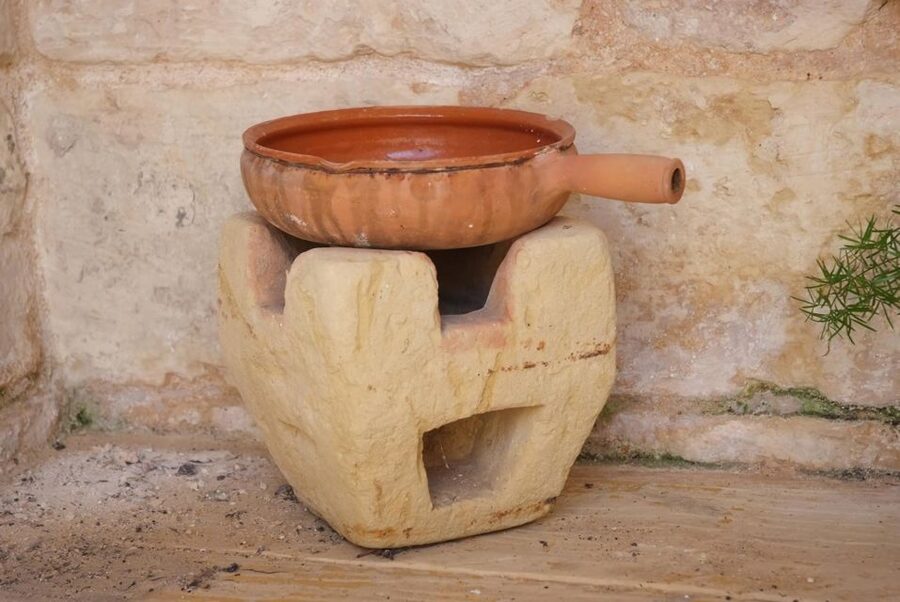
Once the introduction is done, the audio-guided walkthrough becomes the heart of the visit. This is where you stop, listen, and see how the story ties into the physical place.
Practically, this means you can control your experience:
- If you want the big picture first, you can follow the route straight through.
- If you want details, you can pause more often at points that catch your eye.
- If you travel with kids, you can slow down around the farm and gardens without feeling like you are falling behind a group.
The walkthrough also matters because it makes the geology and museum hall feel less like separate attractions. Instead of treating each room as an isolated stop, you keep hearing how each area connects back to Malta’s limestone setting.
Because the audio guides cover 17 languages, you are also less likely to struggle if your group is mixed. Everyone can use the same system and still get the context in their own language.
Museum Hall and Geology: Turning Malta’s Limestone into the Main Story
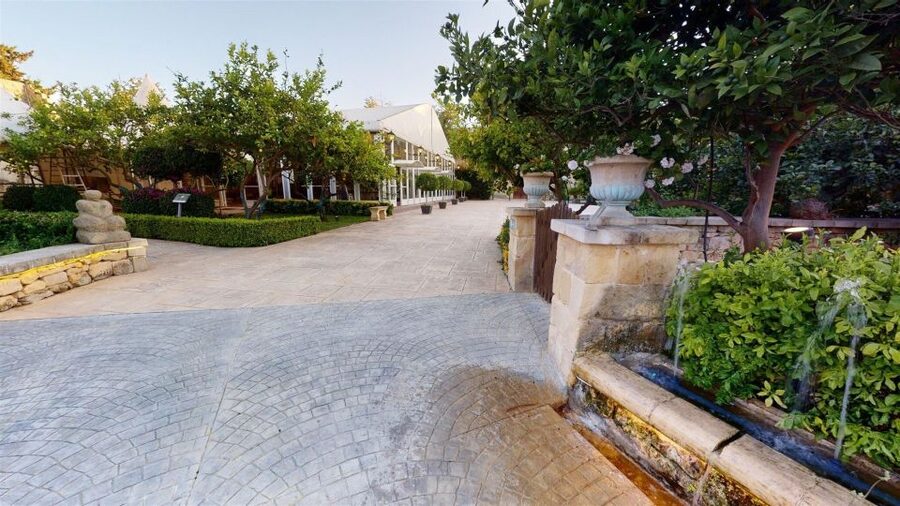
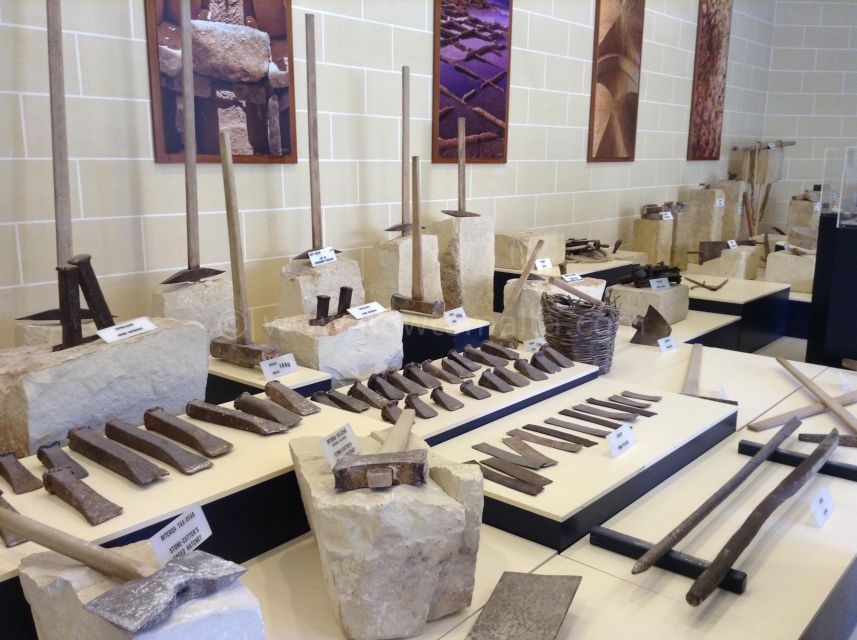
The museum hall and geology section are where this attraction stops being a pretty garden and becomes a real learning experience, without turning into a textbook.
In the museum hall, you get the chance to understand how people used the island’s resources over time. It is especially useful if you like your history grounded in objects and built space. You get context before and while you step outside to see how those ideas connect to the landscape.
Then comes the geology section, which is the standout for anyone curious about why Malta looks the way it does. Limestone is not just a surface here. It is part of the culture, part of the architecture, and part of how the island’s history survived long enough to become heritage.
If you are the kind of traveler who normally skips geology rooms, give this one a fair shot. The way the park links geology with the rest of the visit makes it feel relevant rather than technical.
The Punic Tomb Dating to Around 400 B.C.
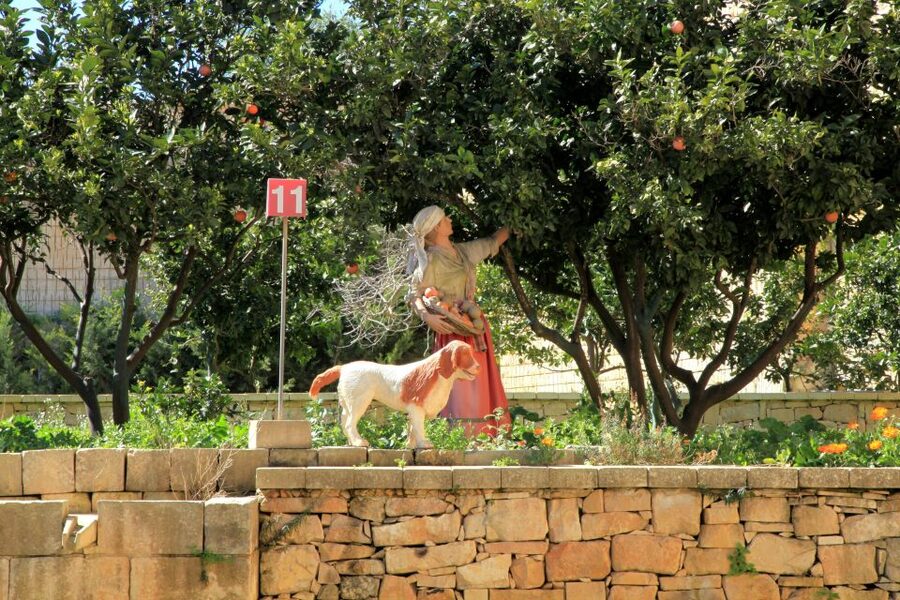
One moment that genuinely changes the mood is the access to the Punic tomb, described as dating to around 400 B.C. Even if you know Malta’s ancient history in broad strokes, a specific tomb stop like this gives you a more grounded sense of the timeline.
This is also the kind of visit feature that rewards slowing down. When you are in a tomb-related space, you want a pause mindset. Take the time to read what is provided and use the audio to connect it to the surrounding stops.
The practical tip is to plan this stop as something you do deliberately, not something you squeeze in while moving quickly to the next area. You have a one-day ticket, and you are allowed to spend time in the gardens and on the farm after. So you can save your energy for the tomb when you need it.
Live Stonework Demonstrations: What You Watch vs What You Try
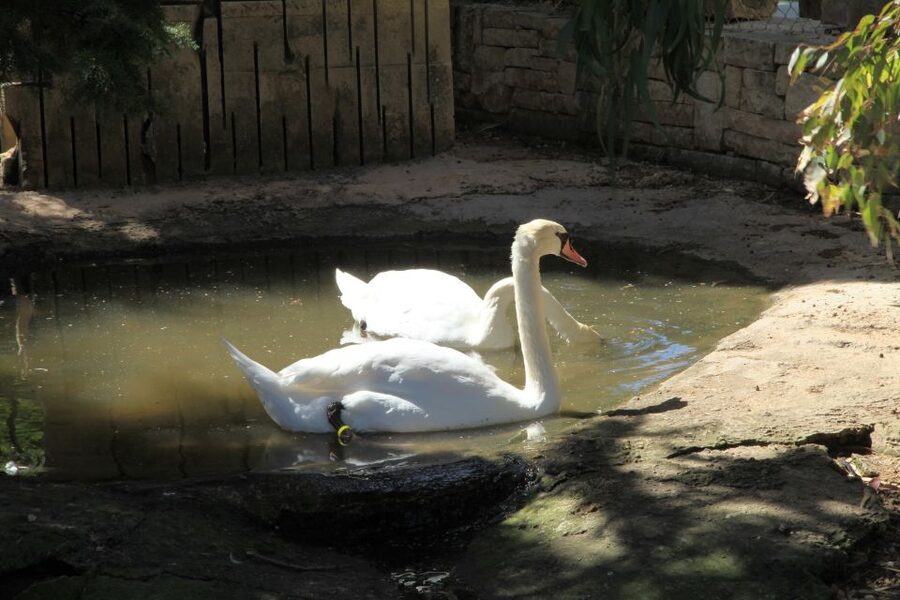
Live stonework demonstrations are built into the visit, and they are worth prioritizing. Seeing how stone is handled adds a layer you cannot get from photos. It also helps you understand why the geology and museum elements matter. You are not just learning about stone, you are watching it being worked.
If you like practical experiences, there is also an option to try a stone activity for a fee. One review notes you can create your own limestone piece for about 5 euros, and that you can take your time making it perfect. Even without doing it yourself, the demonstrations are a strong reason to schedule this as an actual highlight day, not a quick pass-through.
How long should you spend with stonework? Long enough to see the process, then long enough to watch it again with your new understanding from the audio stops. That is when it clicks.
Citrus Gardens and the Farm Animal Park Break

After the history and stone focus, the park shifts gears in a way that feels refreshing. You can spend time in the citrus gardens and then meet the animals at the farm animal park.
This part is valuable because it makes the day feel balanced. You get mental variety, plus a more relaxed atmosphere to break up the concentrated history sections. For families, this is often the easiest sell because kids can burn energy while adults recharge.
For couples, the gardens can turn into a slow reset. You stop listening to audio for a moment and just enjoy the countryside setting. That calm break can make the whole visit feel more memorable.
Also, the presence of animals helps explain why this is framed as a family-friendly attraction. It is not only built for adults who want a deep dive into history.
Food, Tea, and Maltese Tuna Ftira on the Grounds
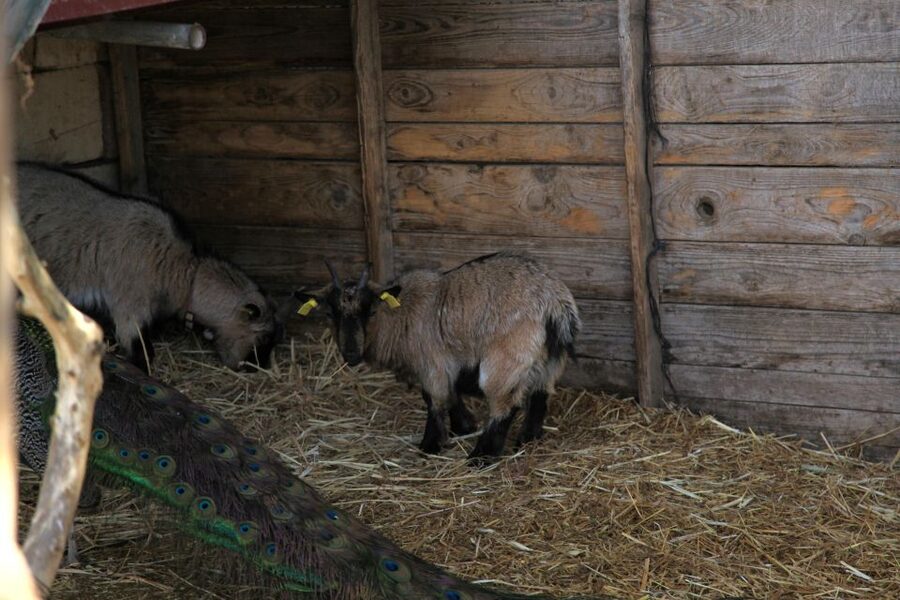
Food and drinks are not included in the ticket price, but the park does offer snacks and meals on-site. You can relax with tea or coffee, and you can order items like a Maltese platter or Maltese tuna ftira, served fresh.
If you plan to make this a half-day sightseeing add-on, you might skip it. But if you want a full day outing, factor in lunch time so you are not rushing at the end.
My practical advice is to check hunger before you commit to stone activities. Once you are in the rhythm of demonstrations, it is easy to forget time until you realize you are hungry and the day is close to closing.
Timing and Opening Hours: When This Works Best
The park operates on a limited schedule, so this is one of those attractions where timing matters.
- Monday to Friday: 9:00 A.M. to 4:00 P.M.
- Saturday: 9:00 A.M. to 12:00 P.M.
- Closed Sundays and public holidays
- Last entry is 30 minutes before closing
That Saturday early closing is a big deal. If your schedule is tight, aim for a weekday if you can. If you can only go on a weekend, plan for a shorter visit and prioritize what you care about most, like the Punic tomb and the stonework demonstrations.
Also note this: your ticket is valid for one-day entry, and you can use it at any hour within opening hours on the day you booked. That flexibility helps if you want to combine the park with other village stops before or after.
Who Should Book This and Who Might Skip It
This works best if you like:
- Outdoor sightseeing with real context
- History that connects to place and materials
- Stone, architecture, and how heritage is shaped
- Families who want a mix of learning and animals
- Travelers who prefer audio guides and self-paced routes
It might not be the best fit if you:
- Want a huge, sprawling attraction that fills an entire day in a high-energy way
- Prefer a guided tour with a live human guide
- Are only interested in food and shopping, since those are add-ons rather than the main focus
One more note: the ticket is a one-time entry, so you should plan your stops in order and avoid assuming you can come and go.
Should You Book The Limestone Heritage Park and Gardens?
I think this is a smart booking for most people who want a more local, less crowded-feeling Malta experience. For the price, you get a full package: audio-visual context, a self-paced audio walkthrough, geology, a Punic tomb stop to around 400 B.C., citrus gardens, a farm animal park, and live stonework demonstrations.
If you are visiting Malta and your schedule allows one focused, walk-friendly attraction, this is a great choice. Go on a weekday if you can, and bring comfortable walking shoes, because you will likely spend more time on the route than you expect.
If you tell me your travel dates and whether you are going with kids, I can suggest the best part of the day to visit and how to combine it with nearby stops.
FAQ
What is the location and duration of the Limestone Heritage Park and Gardens?
It is located in Siggiewi, Malta. The ticket is valid for one day, and the experience is designed as a full-visit day rather than a short timed tour.
How much does the entry ticket cost?
The entry ticket price is listed as $11 per person.
What is included with the entry ticket?
Included items are entry to the park and gardens, an audio-visual presentation, an audio-guided walkthrough, access to the museum hall and geology section, access to the Punic tomb (dating to 400 B.C.), access to the citrus garden, access to the farm animal park, and live stonework demonstrations.
Is a live guide included?
No. A guide is not included. The host or greeter is listed as English.
What food and drinks options are available?
Food and drinks are not included in the ticket price. The venue offers tea or coffee and serves items like Maltese platter and Maltese tuna ftira, and snacks, while you are in the countryside surroundings.
What languages are available for the audio guide?
The audio is available in 17 languages. This includes Maltese, English, French, German, Italian, Dutch, Russian, Spanish, Greek, Portuguese, Swedish, Danish, Finnish, Norwegian, Polish, Chinese, and Japanese.
What are the opening days and hours?
The park is open Monday to Friday from 9:00 A.M. to 4:00 P.M. It is open Saturday from 9:00 A.M. to 12:00 P.M. It is closed on Sundays and public holidays.
What is the last entry time?
Last entry is 30 minutes before closing time.
Is the ticket valid for re-entry?
No. The entry ticket is valid for a one-time entry only, and re-entry is not allowed.
Mosta, Dingli and Inland Malta, compared.
 ★ 4.3Mdina, Dingli Cliffs and San Anton Botanical GardensFrom $41991 reviews
 ★ 4.2Prehistoric Temples, Limestone Heritage & Blue GrottoFrom $41412 reviews
 ★ 4.0Mdina, Rabat, Dingli cliffs, San Anton gardens, Ta’ Qali & Mosta guided tourFrom $80248 reviews
 ★ 3.9Rabat, Mdina, & San Anton Gardens TourFrom $41243 reviews
 ★ 4.9Dingli Cliffs & Buskett Gardens Segway TourFrom $74117 reviews
 ★ 4.1Half-Day Tour of Mosta, Ta’Qali Crafts Village & MdinaFrom $41110 reviews
 ★ 4.7Birkirkara: The Farsons Brewery Entry Ticket and Beer FlightFrom $17104 reviews
 ★ 3.9Valletta, Mdina, and Mosta Night Tour with 5D ShowFrom $4190 reviews
Browse the lists this tour appears in