

REVIEW · MOSTA, DINGLI AND INLAND MALTA
Aviation Museum, Mosta Church, WWII Shelters inc. Platter
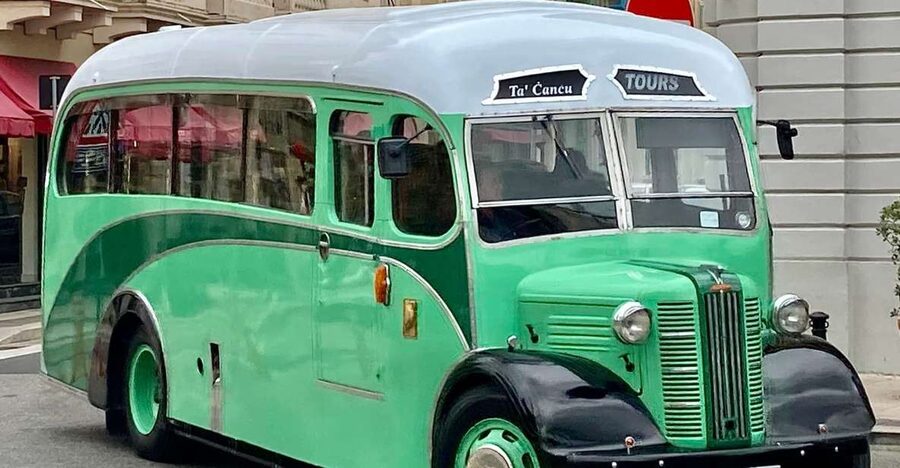
A vintage bus makes Malta feel personal. On this half-day tour, I like the Xarabank ride for its classic, locally decorated look, and I also like ending in the WWII shelters for the hands-on wartime story. One thing to keep in mind: it is a tight 4 hours, so you will move through the Aviation Museum and Mosta Church at a quick pace.
You get a licensed English speaking guide, hotel pickup and drop off at your accommodation or the nearest point, and entrance to the Malta Aviation Museum at Ta’ Qali, the Mosta Dome (Mosta Rotunda), and the World War II Shelters in Mosta. You also finish with a Maltese platter plus coffee and water, which is a nice touch when you are packing three big stops into one morning or afternoon.
The tour is not a good fit if you have mobility challenges, since it involves walking around churches and underground spaces. Wear comfortable clothes, and bring your patience for crowds and transitions, especially around the main church.
In This Review
- Key things I’d plan around
- Why the Xarabank bus ride matters more than you think
- Ta’ Qali Aviation Museum, three hangars and aircraft stories you can read fast
- Mosta Rotunda, the dome event and what to look for inside
- World War II Shelters under Mosta, plus a tools-and-trades display
- The Maltese platter, coffee, and what you are really paying for
- Price and timing for a tight 4-hour Malta loop
- Who will enjoy this tour most
- Should you book this tour?
- FAQ
- How long is the tour?
- Does the price include hotel pickup and drop-off?
- What attractions are entrance tickets included for?
- Is the tour guide available in English?
- What food is included?
- What is the cancellation policy?
Key things I’d plan around

- Xarabank bus ride on a classic Maltese bus style, decorated with paint designs, messages, saint names, and chrome extras from the 1950s to 1970s era.
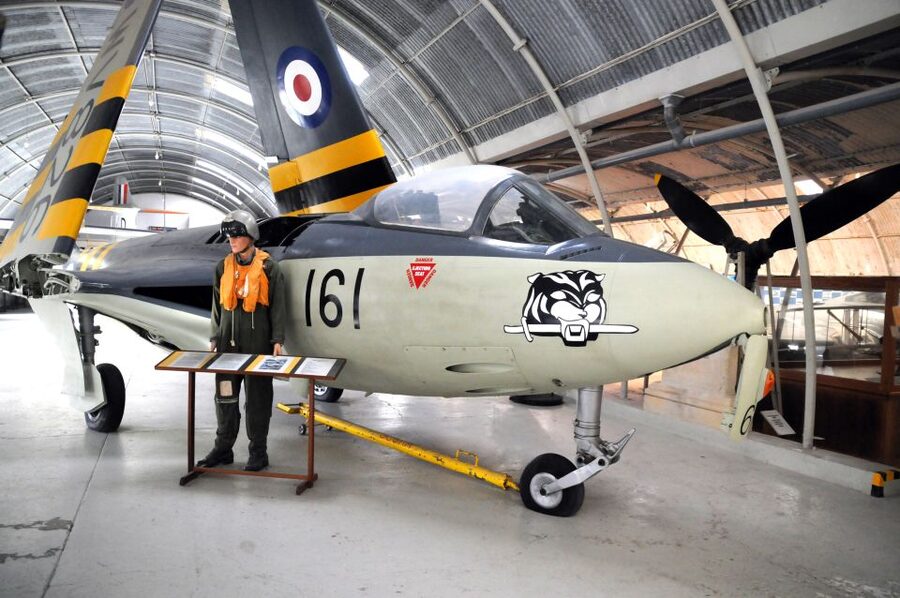
- Ta’ Qali Aviation Museum in three hangars, tied to the former Royal Air Force airfield, with World War II and post-war exhibits.
- Mosta Rotunda inside access including the inner gallery, plus views from the portico and bell tower area.
- Mosta WWII Shelters dug by hand in 1940 by 15 workmen, showing how families sheltered during air raids.
- Trade tools exhibition inside the shelter complex, so the war story also connects to everyday work.
- Maltese platter with coffee and water at the end, giving you a simple, local refuel before you head back.
Inland Malta, the quieter half of the map
- Malta: Rabat, Mdina, & San Anton Gardens Tour
★ 3.9 · 243 reviews - Valletta, Mdina, and Mosta Night Tour with 5D Show
★ 3.9 · 90 reviews - Mosta, Crafts Village, Mdina & Valletta Full-Day inc Platter
★ 4.0 · 35 reviews - Aviation Museum, Mosta Church, WWII Shelters inc. Platter
★ 4.2 · 16 reviews
Why the Xarabank bus ride matters more than you think
This tour starts with the transport, and it is not just a way to get you from one place to another. You ride a traditional Maltese bus called Xarabank, built by Maltese bus builders during the 1950s to the 1970s. The buses came in different colors and designs depending on the locality they served, with decoration that was meant to help people recognize routes even if they could not read.
That is the cool part: you are not only seeing history on walls. You are riding it. The bus decoration tradition included painted designs and typography, passenger messages on the interior and exterior, names of patron saints, song lyrics, slogans, chrome, and accessories like flags and good luck symbols. Today those colorful buses are rarely used, mostly for weddings and tourist events, so it feels like a special presentation rather than everyday commuting.
Practically, it also sets the tone for the day. It is a friendly, local way to move around Malta, and the guide can frame the stops in context as you travel. If you enjoy texture and small details, this first hour can already feel like part of the experience, not a preface.
One caution: because the tour packs in multiple major sites, you will still need to pay attention to timing. The bus is fun, but it does not slow the clock down when you get to the museum and church.
Ta’ Qali Aviation Museum, three hangars and aircraft stories you can read fast
Your first major stop is the Malta Aviation Museum at Ta’ Qali, set on the grounds of a former Royal Air Force airfield. The museum is spread across three hangars, and that layout matters. Hangars naturally encourage long, linear viewing, and they make aircraft feel like they belong in the space, not like they have been placed there for display.
You will find exhibits covering the history of aviation on the island, with special emphasis on the Second World War and the post-war period. The museum is also involved in aircraft preservation and restoration, and some aircraft are in airworthy condition. That last detail is useful for visitors, because it helps you understand why certain parts are protected so carefully. You are not only looking at static history, you are seeing what still can be brought back to life.
Time is the tradeoff. On a 4-hour tour, you will get a look at the key sections, but you will not have hours to wander. One review experience that matches the format is that the Aviation Museum can feel like just enough time, which is great if you want highlights. If you love aviation and plan to read every caption, you may feel rushed.
My advice: come in ready to focus. Pick the themes you care about most, such as World War II-era aircraft, island aviation history, or the restoration angle. If you do that, the museum will feel satisfying instead of like a quick scan.
Mosta Rotunda, the dome event and what to look for inside

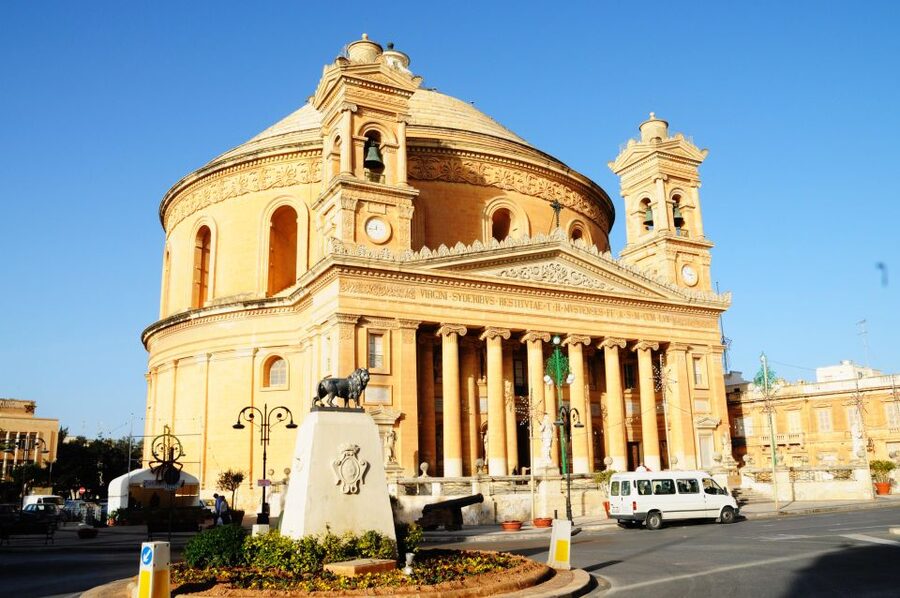
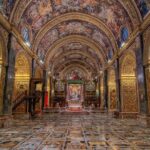
Next up is the Mosta Dome, officially the Roman Catholic Church dedicated to the Assumption of Our Lady. It is built with design elements based on the Pantheon in Rome, and it is famous for having the third largest unsupported dome in the world. In Malta terms, it is the largest and most well-known church, so you are stepping into a site that people treat as a landmark, not a casual stop.
The story that makes it unforgettable is the April 9, 1942 moment during World War II. A German aerial bomb pierced the dome and fell into the church during Mass, but it failed to explode. Maltese people interpreted it as a miracle, and it is also important to remember that many bombs failed to explode across the war. The church visit is built around this mix of architecture and wartime memory.
What you do not want to miss here is the way the visit is structured. You are not limited to a quick glance from the doors. You can admire sacristies and objects of prestige, view a large-scale model of the church, and see a replica of the bomb. You also go up to the portico, to the bell tower area, and enter the inner gallery of the church.
That sequence helps you understand the building from multiple angles. From the outside and portico areas, you get a sense of scale and placement. Inside, the inner gallery and model make the dome feel less like an abstract fact and more like a real space you can stand within. If architecture is one of your travel interests, Mosta Rotunda is the kind of stop where the included time can feel like it is giving you the best viewpoints.
The main drawback is again pacing. One concern that fits the tour format is that some visitors may want more time inside the church. If you tend to slow down to read details and take long photos, you might wish you had an extra half hour here.
World War II Shelters under Mosta, plus a tools-and-trades display

Your final stop is the World War II Shelter complex in Mosta, located near the Mosta church parvis. This shelter opened recently, and the story behind it is striking. It was dug by hand in 1940 by 15 highly skilled workmen. Families used it during the air raids to protect themselves from repeated attacks, which turns the space into something more than a museum room. It is a survival setting.
The shelter also includes an exhibition of tools and implements related to old trades. That extra layer matters because it pulls you out of a purely military timeline. You start thinking about how people lived, worked, and adapted when the world around them changed overnight.
What I like about ending here is emotional pacing. Aviation and church history are heavy, but the shelter is where the daily reality becomes physical. Even if you are not a history buff, the underground setting makes the idea of protection feel immediate. It is the kind of stop that stays in your mind after you leave, because the environment does the storytelling for you.
The practical note: underground spaces can feel cooler and darker. Wear comfortable clothes, and be ready for some walking around in an older, preserved environment. The tour is not designed for mobility impairments, so if that applies to you, it is worth looking for an alternate option.
More rooms worth stepping into

The Maltese platter, coffee, and what you are really paying for
At the end, you get Maltese savouries, plus a Maltese platter, coffee, and water. This is one of those inclusions that can make a tour feel fair value. You are doing three major attractions in about four hours, and food can otherwise become an unpredictable scramble.
That said, platter quality and portion size can vary depending on expectations. One review experience described the platter as delicious and a good way to taste traditional Maltese food. Another experience called the platter basic and small. The safe takeaway: think of it as a simple taste, not a full lunch. You should be satisfied with a snack-style meal, especially if you are budgeting your day tightly.
If you have a sensitive stomach or specific dietary needs, the tour details provided here do not mention options. So plan as if the platter is standard. If you want a bigger meal afterward, you will likely have the time to grab something locally once the tour ends.
Price and timing for a tight 4-hour Malta loop
The listed price is $57 per person for a 4-hour guided experience, including hotel pickup and drop off, a licensed English speaking guide, entrance to the Malta Aviation Museum, entry to the Mosta Dome, entry to the Mosta WWII Shelters, and the Maltese platter with coffee and water.
To judge value, I look at what you would otherwise have to arrange on your own. Here, you do not have to figure out transport between Ta’ Qali and Mosta, and you also do not have to buy and manage multiple tickets and guided time. You are paying for convenience plus a guide who helps connect what you see, which is especially useful for Mosta’s wartime story and the shelter setting.
The other value factor is the bus itself. Riding a classic Xarabank is not something you get from standard point-to-point tickets. Even though it is transport, it feels like part of the cultural experience.
Timing is the only real pressure point. Because the total duration is four hours, you get highlights rather than a slow, museum-grade wander. This is ideal if you want a focused day with big landmarks. If you want deep reading and long photo sessions, you may want to pair this with extra independent time later in Malta.
Who will enjoy this tour most
This tour fits you well if you want a compact, structured introduction to Malta’s 20th-century story and its most famous dome church. You will probably enjoy it most if you like aviation, wartime history, or architecture, and you like learning through a guide instead of piecing it all together yourself.
It also works well for mixed groups. There is enough variety to keep adults interested, and the guided pace can help kids and teens who get bored with long, open-ended museums. One family example mentioned a 10-year-old enjoying the bus ride and having just enough time at each stop.
If you dislike rushed visits, you may find the pace challenging. And if you have mobility concerns, the tour is not suitable based on the provided information.
Should you book this tour?
Book it if you want a high-value, highlight-focused Malta day: a classic Xarabank bus ride, the aviation museum in Ta’ Qali, Mosta Rotunda with its famous 1942 story and indoor access, and the WWII shelters underground, all wrapped up with a Maltese platter. The guide quality is a big plus, and the structure is designed to make the stops make sense, not just stack attractions.
Skip it or look for alternatives if you need extra time in any one place, especially the Aviation Museum or Mosta church, or if underground and walking are not comfortable for you. For everyone else, this is a smart way to cover a lot of Malta without wasting half your day figuring out logistics.
FAQ
How long is the tour?
The tour duration is 4 hours.
Does the price include hotel pickup and drop-off?
Yes. Pickup and drop-off are included at your hotel or the nearest point.
What attractions are entrance tickets included for?
Entrance is included for the Malta Aviation Museum, the Mosta Dome, and the Mosta WWII Shelters.
Is the tour guide available in English?
Yes. The tour is conducted by a live English speaking guide.
What food is included?
A Maltese platter is included, along with coffee and water.
What is the cancellation policy?
Free cancellation is available up to 24 hours in advance for a full refund.
Inside the Churches

Palaces, Museums and Old Rooms




Mosta, Dingli and the Middle of the Island


Recently reviewed around Valletta
- Tour of Malta (Private Driver) Including Lunch Platter & Wine in the countryside★ 4.5 · 3 reviews
- Valletta: Express Walk with a Local in 60 minutes★ 4.9 · 4 reviews
- Shore Excursion: Private Full-Day Tour of Valletta & Mdina★ 5.0 · 4 reviews
- Valletta Private Historical and Cultural Walking Tour★ 5.0 · 4 reviews
- Private Tour in Malta Prehistoric Temples & Mdina★ 5.0 · 4 reviews
- Private Tour of the Maltese Island (Private Driver)★ 5.0 · 4 reviews
- Leisure Pass in Malta★ 4.0 · 4 reviews
- Malta tour 3Cities , Marsaxlok ,Blue grotto Hagar qim★ 4.9 · 4 reviews
Mosta, Dingli and Inland Malta, compared.
 ★ 4.3Mdina, Dingli Cliffs and San Anton Botanical GardensFrom $41991 reviews
 ★ 4.2Prehistoric Temples, Limestone Heritage & Blue GrottoFrom $41412 reviews
 ★ 4.0Mdina, Rabat, Dingli cliffs, San Anton gardens, Ta’ Qali & Mosta guided tourFrom $80248 reviews
 ★ 3.9Rabat, Mdina, & San Anton Gardens TourFrom $41243 reviews
 ★ 4.9Dingli Cliffs & Buskett Gardens Segway TourFrom $74117 reviews
 ★ 4.1Half-Day Tour of Mosta, Ta’Qali Crafts Village & MdinaFrom $41110 reviews
 ★ 4.7Birkirkara: The Farsons Brewery Entry Ticket and Beer FlightFrom $17104 reviews
 ★ 3.9Valletta, Mdina, and Mosta Night Tour with 5D ShowFrom $4190 reviews
Browse the lists this tour appears in