
REVIEW · SCUBA DIVING
First scuba diving experience with instructor – Malta
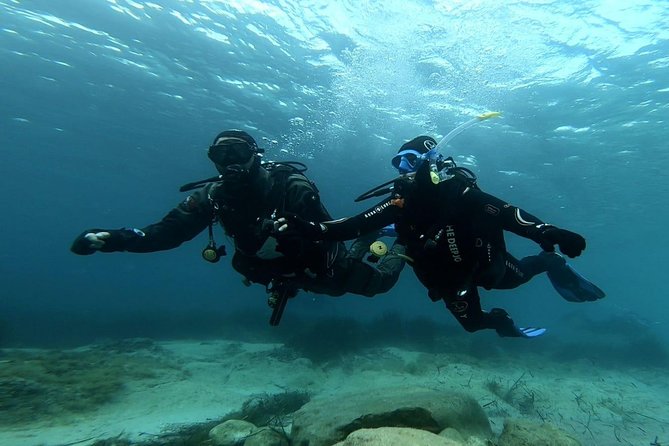
Your first underwater class starts in St Paul’s Bay. This Malta PADI Discover Scuba experience is built for first-timers who want to see marine life and learn basic skills in a calm, guided way. You get a professional instructor and a structured setup that keeps the day feeling manageable, not overwhelming.
I especially love the small-group, personalized attention. In real sessions, you can end up with just a couple of divers working closely with the same instructor, which makes it easier to ask questions and move at your pace. I also like the practical skill focus, like using the equipment correctly and learning clear hand signals so you can stay confident underwater.
The main drawback to consider is your health and timing. This experience requires good health, and after the last underwater session you need to wait at least 12 hours before flying, so it can affect your travel plans.
In This Review
- Key things that make this Malta scuba lesson worth it
- Malta’s calm starting point in St Paul’s Bay
- What a full 3-hour first-timer schedule looks like
- Equipment, wetsuit fit, and the real work of ear equalisation
- Learning to communicate underwater with hand signals
- Shallow water training that builds comfort before open water
- Malta marine life: what you may spot beneath the surface
- Instructors can make or break a first experience
- What’s included, what you should bring, and what to wear
- Safety rules, health limits, and the 12-hour no-fly window
- Price, value, and the certificate you actually get
- Weather, timing, and how to get the smoothest day
- Should you book this Malta first-time scuba experience?
- FAQ
- How long is the experience in Malta?
- Where do we meet for the session?
- Do I need previous scuba experience?
- How many people can be in the group?
- What is included in the price?
- What should I bring with me?
- Is it safe for people with medical conditions?
- How long should I wait before flying after the experience?
- What certificate do I get at the end?
- Can I cancel for free?
Key things that make this Malta scuba lesson worth it
- First-timer friendly structure: training on equipment and ear equalisation before going farther out
- Private-style coaching: you get one-on-one attention and a patient instructor approach
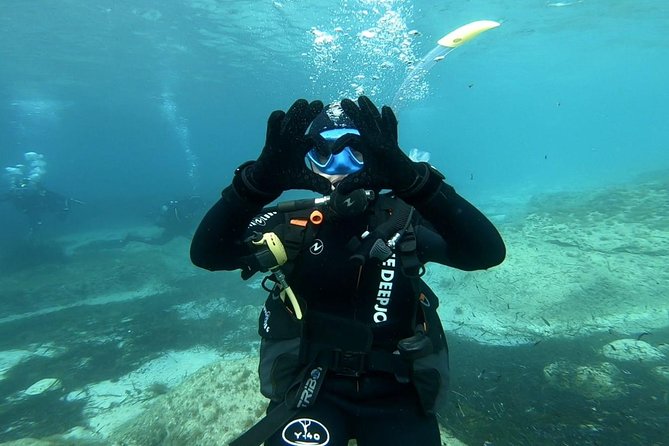
- Clear communication practice: you learn hand signals and how to feel comfortable underwater
- Shallow then open-water sessions: step-by-step progression so you are not thrown in
- Marine flora and fauna viewing: you get to see local fish and other sea life up close
- Worldwide-recognized certificate path: you leave with a PADI Discover Scuba Certificate of Achievement
Where else the dive boats go
- First scuba diving experience with instructor – Malta
★ 4.5 · 71 reviews - First Experience Scuba Diving
★ 4.5 · 52 reviews - 2 Scuba Fun Dives for Certified divers in St Paul’s Bay
★ 5.0 · 4 reviews
Malta’s calm starting point in St Paul’s Bay
This experience launches from DiveBase Malta at 25 Islet Promanade, St Paul’s Bay SPB 2506. That matters because St Paul’s Bay is the kind of place where you can get set up quickly, then get your skills practice done without wasting time on long transfers.
You will spend the start of the session getting ready as a group, and the overall vibe is intentionally calm. That is not just “nice.” For many first-timers, the hardest part is mentally switching from land rules to underwater rules. A calm start gives you room to breathe, learn, and ask the obvious questions before you go any deeper.
What a full 3-hour first-timer schedule looks like
Plan for about 3 hours total. That includes the briefing, equipment setup, and the underwater parts, so you should treat it like a half-day commitment, not a quick side activity.
Here is how the pacing usually feels:
- You arrive and get your safety briefing, including what you will do and how you will communicate underwater.
- You get fitted with scuba gear and go through the basics of how to use it.
- You complete a training portion in shallower water first, where you practice the fundamentals.
- Then you move into an open-water experience, where you apply those skills while observing Malta’s marine life.
The key is that you do not just jump in. You learn the system first, then you use it. That is why this format is so popular for people who are nervous.
Equipment, wetsuit fit, and the real work of ear equalisation
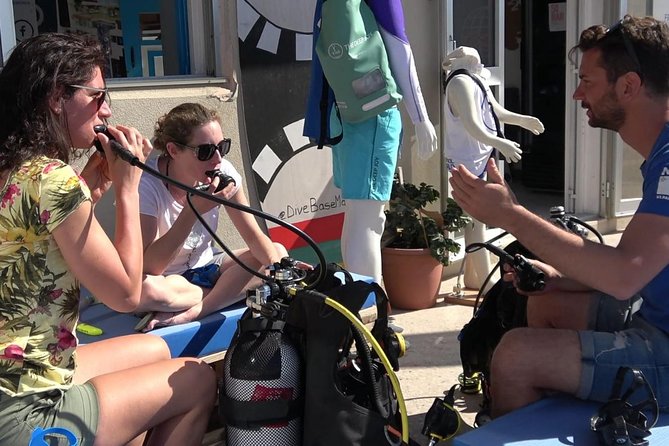
This is a hands-on course, and they emphasize practical skills you can use immediately. You learn to use the equipment correctly, and you also work on equalising pressure in your ears. That part is genuinely important because first-timers often focus on breathing and forget that pressure changes can feel strange if you do not know what to do.
From the experience format and how instructors teach it, you should expect a lot of “show, try, correct, repeat” early on. That is also where the private attention helps. If you need extra time to get comfortable with the gear or your breathing rhythm, a good instructor slows down and gives you multiple chances.
Also note the small but real hygiene detail: after the session, you will be asked to rinse items like your wetsuit, fins, and mask. It is not glamorous, but it is part of being ready for the next diver and keeping things clean.
Learning to communicate underwater with hand signals
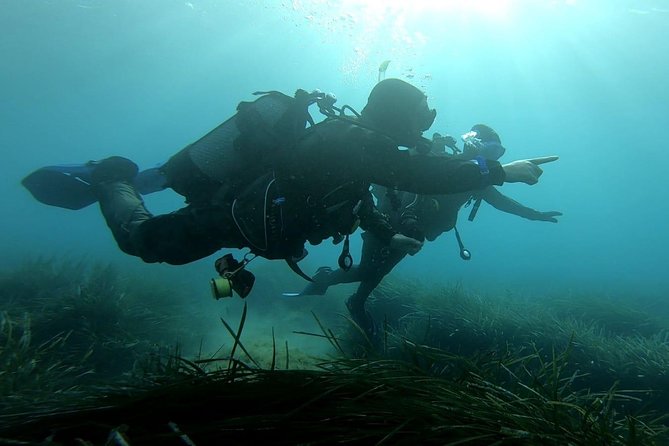
Underwater, you lose the normal communication channel fast. That is why this experience explicitly teaches you hand signals and how to use them. It is the difference between feeling lost and feeling in control.
A consistent theme in the positive feedback is that instructors keep explanations clear and stress safety first, with a steady, patient tone. People often feel fear before the first underwater moment, and what helps is not bravado, it is instruction that makes your next step obvious.
If you want a simple mindset going in, use this: you are not trying to perform. You are learning a system. When you know how to signal and what to expect, you stop spending energy guessing.

Shallow water training that builds comfort before open water
This course is designed around progression: you start shallow, gain comfort, then move into open water. That is one of the biggest reasons first-timers tend to do well here.
In practice, that progression usually means:
- You practice core skills while staying in a calmer zone.
- You get feedback from your instructor as you go.
- Once everyone feels ready and steady, you continue toward open water.
This matters for safety and enjoyment. Staying comfortable early makes the open-water part feel like a reward instead of a test.
Malta marine life: what you may spot beneath the surface
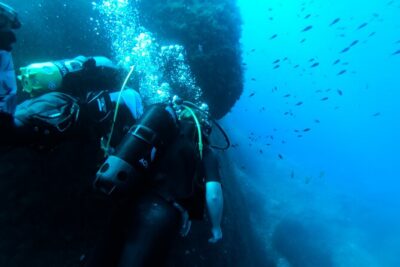
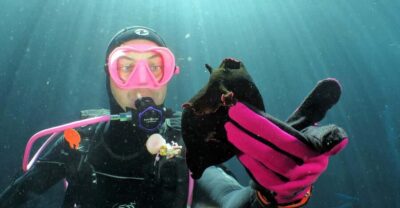
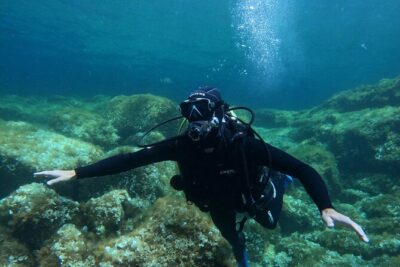
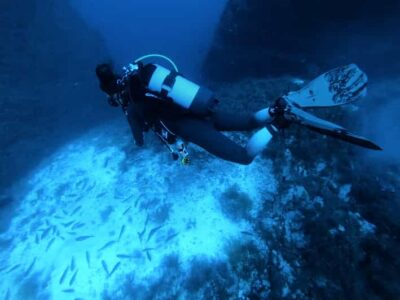
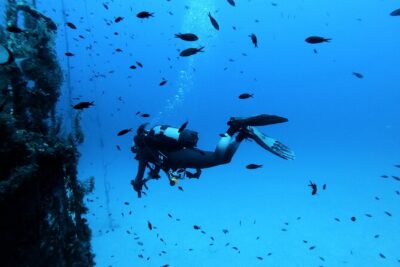
The headline promise is marine flora and fauna viewing. In real first-timer sessions, you can often see local fish close up, and you may even get surprise sightings like an octopus.
Even if you do not get a dramatic creature encounter, the value is still real. You are learning how to look underwater, how to move without panicking, and how to notice what is around you instead of staring at your own gear.
A good instructor also times your experience so you are not rushing through everything while still learning. When that pacing works, the underwater portion feels like a guided walk through a new world, with you understanding what you are seeing.
Instructors can make or break a first experience
The strongest praise centers on instructors who are patient, encouraging, and professional. Names come up often, including Antonio, Davide, and Georgia. People highlight that these instructors explain clearly, keep things calm, and adapt to beginners.
Language support also matters. One practical takeaway: English and Italian are the languages covered. In one case, Emilie translated and made instructions easier to follow. If you speak English or Italian, you will likely feel less friction during the briefing and corrections.
If you are nervous, pay attention to this pattern in the better reviews. The instructors help you stay chill by teaching you exactly what to do next, not just telling you to relax. That is what makes first-time breathing and buoyancy feel possible.
What’s included, what you should bring, and what to wear
Good news for planning: the experience includes scuba equipment, diving insurance, and a PADI instructor.
What you need to bring:
- Your own bathing suit or similar swimwear (they specifically list bathing suit or bikini or shorts)
- A towel
One more practical thought: bring your “underwater day” mindset. You are going from land comfort into a wetsuit and gear fitting, then into the water. Simple clothes and a quick change setup make the session smoother.
Safety rules, health limits, and the 12-hour no-fly window
This is not a casual swim. It has health requirements, and you should take them seriously.
You must be in good health and have sufficient swimming skills. The experience is not suitable if you have respiratory problems, including active asthma, or if you have blood and heart-related problems, or if you have had any surgery in the past year. In some cases, a doctor’s statement might be requested.
Timing after the experience is also a key detail. After the underwater session is concluded, you must wait at least 12 hours before taking a flight. If you are booking this right before travel, build that buffer into your schedule so you do not have to scramble.
Price, value, and the certificate you actually get
In your details, the price shows as $0.00, which likely means a placeholder in the data you are looking at. Before you commit, verify the real price at checkout. Still, even without trusting the placeholder number, you can judge value using what is included.
For first-timers, value is not just “cheap.” It is whether you get: instructor coaching, equipment, and insurance, plus a structured learning format. This experience includes all of that, and you also receive a PADI Discover Scuba Certificate of Achievement.
That certificate is valid and recognized worldwide, and it is designed as a stepping stone. If you fall in love with the experience, you have a clearer path forward for continuing your scuba education.
Weather, timing, and how to get the smoothest day
This activity requires good weather. If weather is poor, you will be offered another date or a full refund.
For the best experience, treat weather like part of your prep, not an afterthought. Check the forecast the day before, and if conditions look rough, have a flexible plan for timing.
Also, show up on time and with your forms ready. Instructors need everyone ready so the group can move through briefing and setup without losing momentum. Being late can push your session and make the day feel more stressful than it needs to be.
Should you book this Malta first-time scuba experience?
I think you should book this if you:
- want a structured first-timer course with shallow-to-open-water progression
- prefer personal attention and clear instruction over trying to figure it out on your own
- want to learn practical skills like equipment use, ear equalisation, and hand signals
- care about leaving with a PADI Discover Scuba Certificate of Achievement you can build from
I would hesitate if you:
- have respiratory issues like active asthma, blood or heart conditions, or recent surgery in the past year
- cannot follow the 12-hour no-fly timing rule after your session
- are uncomfortable with the idea of a wetsuit and gear fitting as part of the learning process
If you match the basic health and comfort requirements, this is a smart first scuba step in Malta. You get the training you need, a safety-focused approach, and a real chance to see Malta’s underwater life instead of just counting minutes.
FAQ
How long is the experience in Malta?
The experience is about 3 hours long, including briefing, equipment setup, and the water sessions.
Where do we meet for the session?
You meet at DiveBase Malta, 25 Islet Promanade, St Paul’s Bay SPB 2506, Malta. The activity ends back at the meeting point.
Do I need previous scuba experience?
No previous diving experience is required. You do need sufficient swimming skills and to be in good health.
How many people can be in the group?
This activity has a maximum of 8 travelers.
What is included in the price?
Included are the use of scuba equipment, diving insurance, and a PADI instructor.
What should I bring with me?
Bring your own bathing suit (or bikini or shorts) and a towel.
Is it safe for people with medical conditions?
It is not suitable for travelers with respiratory problems including active asthma, or for travelers with blood and heart related problems, or those who had surgery in the past year. A doctor’s statement might be requested in particular cases.
How long should I wait before flying after the experience?
After the dive is concluded, you should wait at least 12 hours before taking a flight.
What certificate do I get at the end?
You receive a PADI Discover Scuba Certificate of Achievement, which is valid and recognized worldwide.
Can I cancel for free?
Yes. You can cancel up to 24 hours in advance for a full refund. If weather cancels the activity due to poor conditions, you are offered another date or a full refund.
Down Among the Wrecks and Reefs
More Tour Reviews in Malta


Recently reviewed around Malta
- Valletta City of Gentlemen guided walking tour★ 3.5 · 3 reviews
- Temples, Blue Grotto, Marsaxlokk★ 4.5 · 3 reviews
- The Village Experience Tour★ 5.0 · 3 reviews
- Serenity at Sea: Comino Blue Lagoon Exclusive Day Cruise★ 5.0 · 3 reviews
- Gozo and Blue Lagoon Private Boat Trips in Comino★ 5.0 · 3 reviews
- Malta Chocolate Factory Gin and Truffle Making Experience★ 5.0 · 3 reviews
- Malta: Around Comino Cruise With Blue Lagoon stop★ 5.0 · 3 reviews
- Pastizzi Making Experience in Malta★ 5.0 · 3 reviews
Scuba Diving, compared.
 ★ 4.6First Experience Scuba Diving LessonFrom $91415 reviews
 ★ 4.8St Julians: Discover Scuba Diving ExperienceFrom $10693 reviews
 ★ 4.8Malta, Scuba diving with instructorFrom $9652 reviews
 ★ 4.5First Experience Scuba DivingFrom $9652 reviews
 ★ 4.8SSI Try Scuba Diving in the seaFrom $5843 reviews
 ★ 5.0Diving experience in MaltaFrom $13212 reviews
 ★ 4.62 Scuba Fun Dives for Certified diversFrom $11810 reviews
 ★ 5.02 Scuba Fun Dives for Certified divers in St Paul’s BayFrom $1184 reviews
Browse the lists this tour appears in