
REVIEW · THE THREE CITIES
From Cospicua: Senglea, Bormla, and Birgu Walking Tour
Three harbors, one unforgettable walk. In 2.5 hours, you get stunning waterfront views in Senglea and Birgu, plus the maze of Collacchio streets and palaces that the Knights helped shape, so it feels like history with your feet moving. The only catch is that Birgu gets the lion’s share of time, so Senglea and Bormla feel more like great stops than full, deep dives.
What makes it work is the guide quality. Names like Karl and Lorraine show up again and again in feedback, with guides praised for energy, humor, clear English, and keeping the pace friendly for questions. Bring comfortable shoes, because you are walking real streets, not showroom paths.
In This Review
- Key highlights at a glance
- Walking the 3 Cities from Cospicua, not Valletta
- Price and value: what $24 buys you in 2.5 hours
- Getting there: meeting the Valletta-3 Cities ferry crowd in Cospicua
- Cospicua first: orientation in the 3 Cities rhythm
- Senglea and Bormla waterfronts: yachts, walls, and calmer streets
- Birgu walls and fortresses: the skyline changes when you cross over
- Collacchio area: narrow streets, palaces, and the Knights’ fingerprints
- WWII in Birgu: the hard chapter told in plain language
- British Royal Navy links: drydocks and Mediterranean headquarters
- Finish at Birgu waterfront by St Laurence Church
- Pace, group feel, and who should go
- What to watch for during the walk (so it sticks)
- Should you book this Senglea, Bormla, and Birgu tour?
- FAQ
- Where do we meet for the Cospicua walking tour?
- How long is the tour from Cospicua to Senglea, Bormla, and Birgu?
- What language is the guide?
- How much does the tour cost?
- Is hotel pickup and drop-off included?
- Is the boat back to Valletta included?
- What should I bring?
Key highlights at a glance
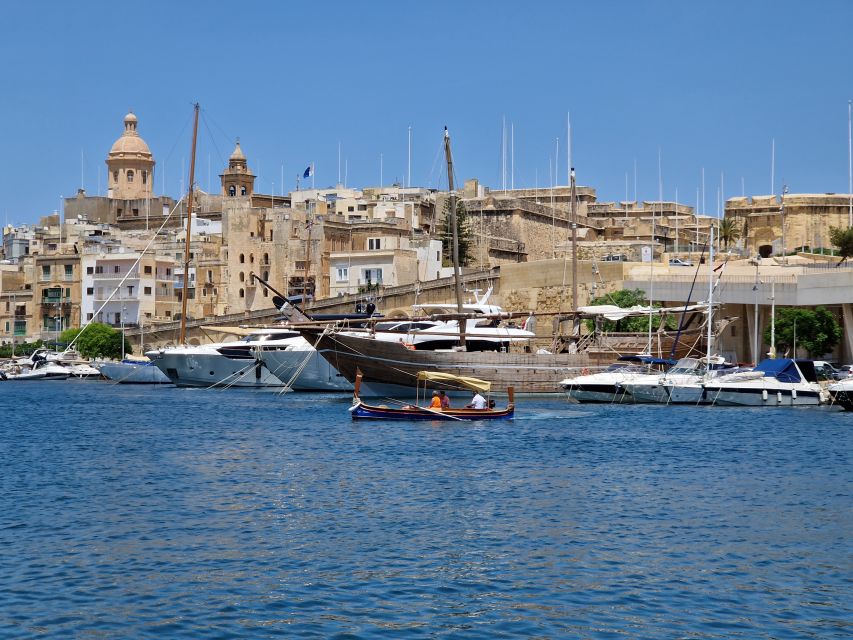
- Harbor viewpoints with yachts: waterfront walking gives you constant Malta sea views while the towns stay calm compared to Valletta
- Birgu’s massive fortifications on the skyline: you cross into the Vittoriosa walls area where defenses shape the entire horizon
- Collacchio lanes and 1530 Knight palaces: narrow, winding streets, plus the story of who built what and why
- A WWII survival chapter in Birgu: you hear how this area absorbed some of the hardest bombing on the islands
- British Royal Navy links: drydocks and Mediterranean naval headquarters show up in the city story beyond the Knights
Walking the 3 Cities from Cospicua, not Valletta
If you picture Malta as only one kind of postcard, this tour nudges you into the real in-between places: the harbor towns that grew up around ships, walls, and work. You get the watery views, but also the street-level feel of neighborhoods that have been rebuilt, renamed, and reshaped over centuries.
The value here is the pairing of sights and explanations. You are not just looking at stone. You are learning why the streets bend the way they do, why fortifications look the way they do, and why Malta’s global connections show up in tiny details.
And yes, it is relaxed. Even with solid walking, the structure is built around stops, photo moments, and enough talking time to make history make sense.
Price and value: what $24 buys you in 2.5 hours
At $24 per person for about 2.5 hours, you are paying for guided orientation plus a lot of “wait, I never would have noticed that” context. The included piece is simple: a tour guide. No fancy add-ons are built into the price, so your money goes toward narrative and route help.
If you plan to roam the area on your own, you can certainly do it. But the hard part in Malta is knowing what you are looking at when the walls and buildings all look “old.” A good guide turns that into a story you can retell, like the links between the Knights of Malta, the British Navy, and WWII events.
One more practical upside: the pacing is designed for a walk that does not feel like a forced march. Multiple guides have been praised for an easy rhythm and the ability to answer questions without rushing people.
Getting there: meeting the Valletta-3 Cities ferry crowd in Cospicua
Your start is tied to the Valletta-3 Cities ferry. You meet at the unloading place in Cospicua, right when you step off the boat. That is helpful because it reduces stress: you are not hunting for a random side street or a hidden café.
From there, the tour threads you through the 3 Cities area, beginning with the waterfront side and then building toward Birgu. The meeting design also fits how these towns work: ferries and harbor life are part of the daily map, even for visitors.
Tip for comfort: arrive with a little buffer so you can gather your bearings before the group lines up. The best tours run smoothly, and that starts with everyone being in the right place at the same time.
Cospicua first: orientation in the 3 Cities rhythm
The tour begins with a guided segment in Cospicua (about 30 minutes). This isn’t just filler. It sets the tone for what comes next: ports, defenses, and neighborhoods that grew because ships meant work.
You get a sense of where the sea sits in the daily life of the area, and you start connecting the dots between the waterfront and the historic stronghold zones. Think of it as your warm-up chapter before the bigger Birgu story takes over.
If you like understanding a place before you get to the “big dramatic” points, you will appreciate this structure.
Senglea and Bormla waterfronts: yachts, walls, and calmer streets
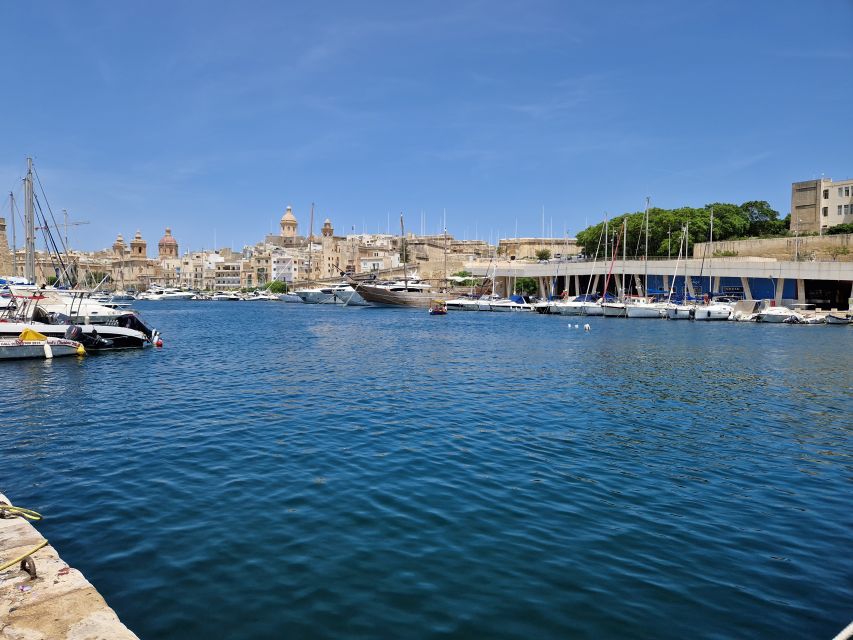
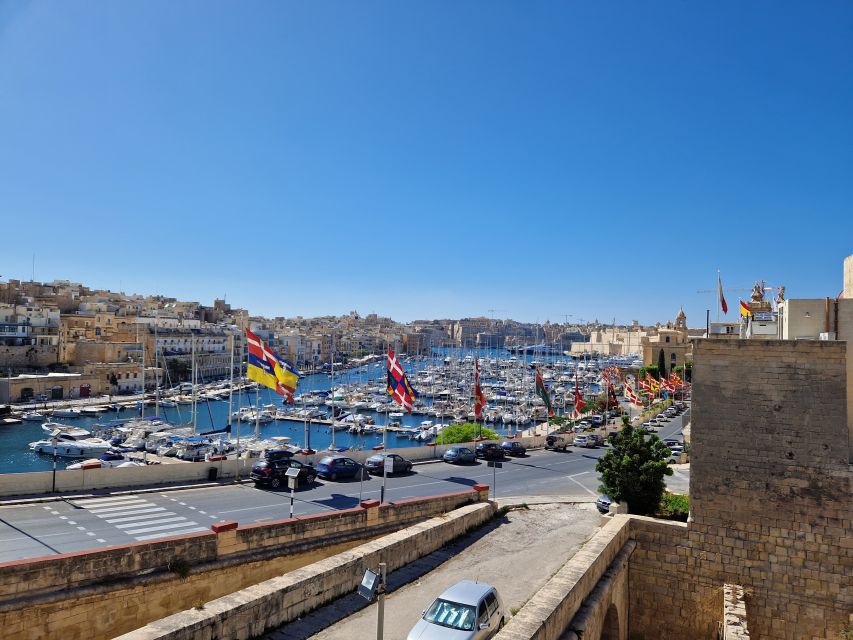
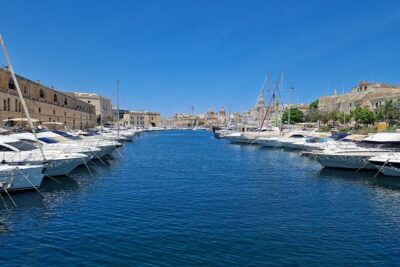
The tour is built around the waterfronts lined with yachts in this harbor corridor. You stroll with sea views where the towns feel more patient than Valletta’s main buzz.
Senglea and Bormla show up as major scenery moments. Even when the tour spends a shorter time here than in Birgu, you still get the visual payoff: harbor angles, waterfront structure, and that feeling of being close to the action without being in a crowded center.
The practical takeaway is simple. If you have been spending your Malta time inside Valletta, this is a nice switch. You keep the magic of old stone, but you trade big-city traffic energy for a more local pace.
Possible consideration: the route favors Birgu’s historical layers. If you want equal time in each city, you may feel that Senglea and Bormla are “highlights” rather than long, slow neighborhood explorations.
Birgu walls and fortresses: the skyline changes when you cross over
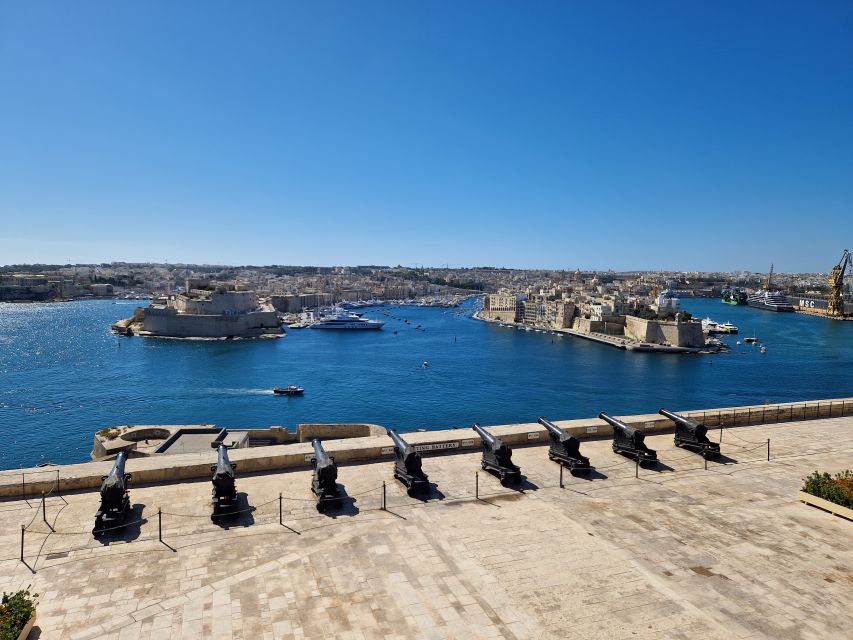
Next comes Birgu (Vittoriosa), with a guided walk that takes up about 75 minutes. This is the payoff zone. As you move toward the walls, the fortifications start decorating the skyline in a way you cannot ignore.
Crossing into the Birgu walls area is where the tour stops being “pretty streets” and becomes “why did anyone build like this?” The defenses are massive in both scale and intent, and the guide helps you read them as part of a bigger story.
Photo stop and viewpoint time are built in (about 15 minutes). It is not just for snapping pictures. It is a chance to look back at the harbor and front-load the mental map before you keep walking.
If you enjoy history that is visible in architecture, Birgu delivers.
Collacchio area: narrow streets, palaces, and the Knights’ fingerprints
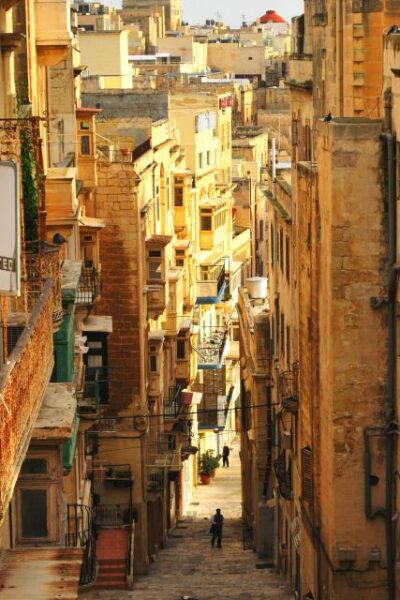
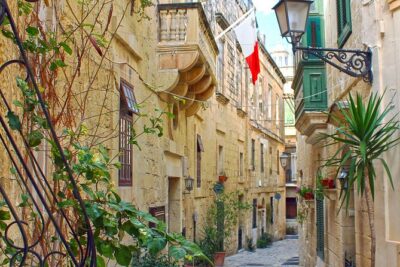
After you get your bearings among the walls and defenses, you shift into the Collacchio area. This part is described as beautiful narrow, winding streets, and that matches the vibe. The streets feel made for walking slow, not sprinting through.
You also see the story of the Knights through the built environment, including palaces constructed by the Knights around 1530. You get the sense that these buildings were not just decoration. They were infrastructure for power, planning, and life around the naval and defensive priorities of the time.
What I like about this segment is the way the tour ties street layout to historical function. You stop seeing “old buildings” and start seeing a system.
WWII in Birgu: the hard chapter told in plain language
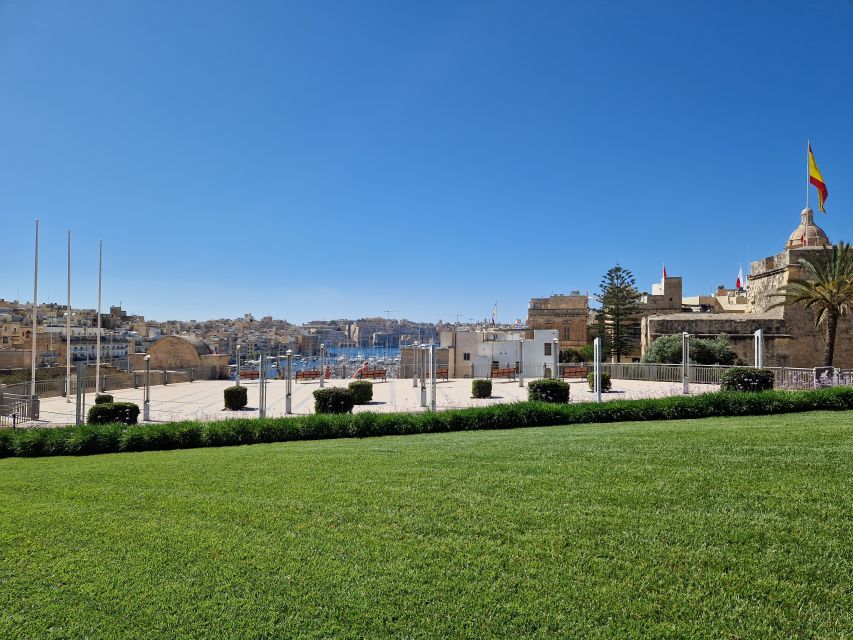
The tour does not skip the 20th-century trauma. You learn about the resilience of Birgu inhabitants during World War II, when this area was the most bombed on the Maltese Islands.
This is one of the tour’s most important balancing acts. It keeps the walking moving, but it also makes room for the emotional weight of the story. A good guide matters here, because you want context without turning suffering into a quick soundbite.
Based on the guide styles that get praised most, you can expect a human tone and enough explanation for the history to land. The best guides on this route are the ones who can keep facts organized while still sounding like a person telling a story, not a script.
British Royal Navy links: drydocks and Mediterranean headquarters
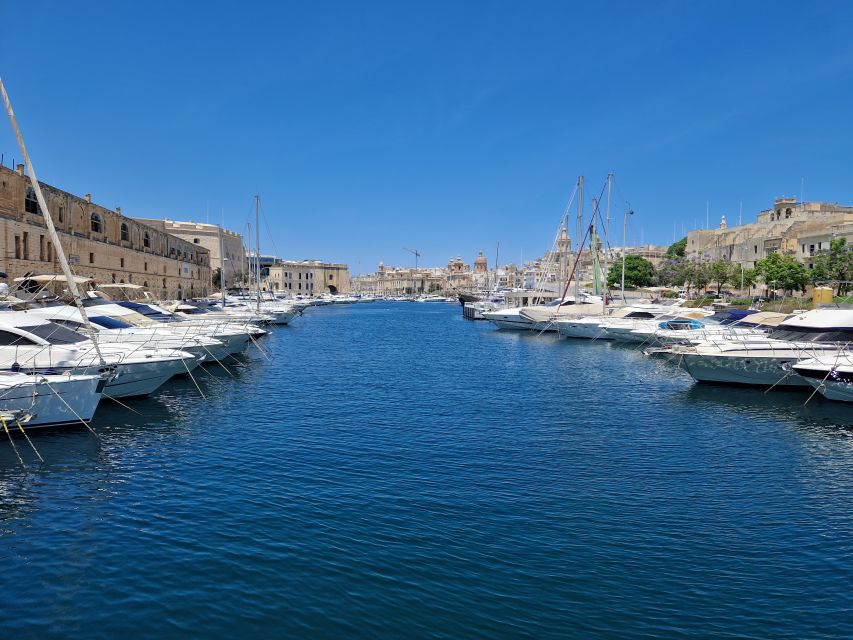
Another chapter that adds surprise is the British Navy influence. The tour connects these cities to the development of the area through references to drydocks and the presence of the British Royal Navy in the Mediterranean.
This matters because it shows Malta as more than one power swapping costumes. Malta was shaped by the strategic needs of whichever navy, era, and empire had momentum.
You get to stand in a place and hear why it fit a global map. That is the kind of connection that makes your later Malta sightseeing feel less random.
Finish at Birgu waterfront by St Laurence Church
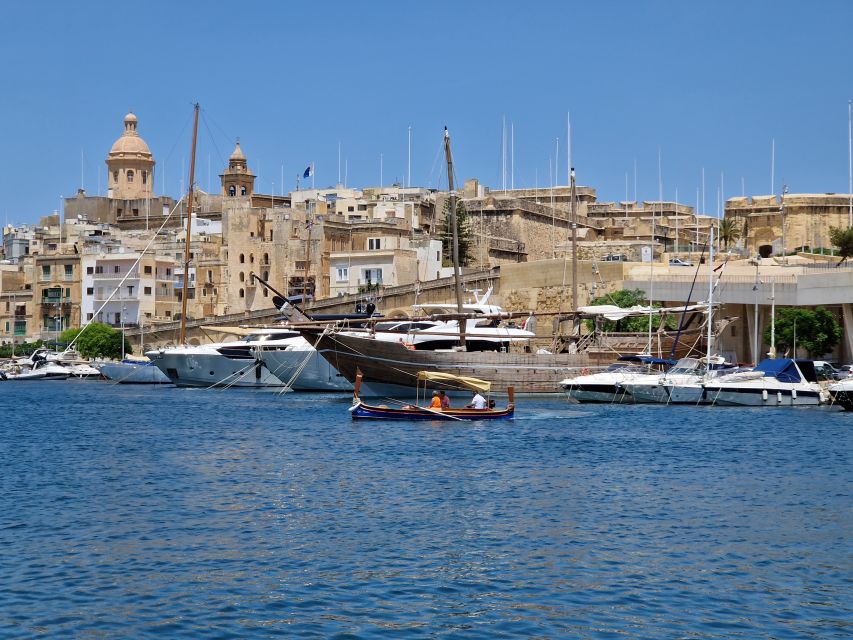
You wrap up on the Birgu waterfront, near St. Laurence Church. This is a smart ending point because it lets you continue your day without feeling trapped in the tour loop.
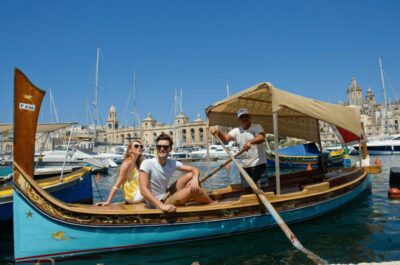
From there, you can board a dghajsa, a traditional boat similar to a gondola, to get back to Valletta. The boat ride itself is not included, but the finish location sets you up for an easy next step.
If you like a clean payoff to a walking tour, this is it. You end by the water, you see the boats, and you get the choice to keep moving by sea.
Pace, group feel, and who should go
This tour runs about 2.5 hours. That is long enough to matter, short enough to stay fun. It also includes guided time in multiple segments plus a viewpoint stop, so you are not just walking and hoping you catch the story.
Pace is one of the most praised elements in feedback. Guides are repeatedly described as energetic, good at answering questions, and entertaining without turning the tour into a stand-up show. A few reports also mention small group sizes (even around 5), which naturally helps with questions and personal attention.
Best fit:
- First-time visitors who want the Knights, WWII, and harbor-life connections without taking a full day
- People who enjoy architectural storytelling and want context for fortifications and old palaces
- Travelers who want a calmer feel than Valletta, while still staying close to the main action
Bring:
- Comfortable shoes. Streets can be uneven, and you will be standing, walking, and stopping for viewpoints.
If you hate walking, this might be a stretch. But if you are comfortable with a solid half-day stroll, you will be fine.
What to watch for during the walk (so it sticks)
Here are a few things to keep your eyes open for while the guide talks. These are the details that usually make the tour feel memorable.
- Look for how fortifications dominate the skyline as you move deeper into Birgu. That visual change is part of the story.
- Notice the street shape in Collacchio. Narrow and winding is not random, it reflects how people lived and moved through the area.
- When WWII gets mentioned, watch for how the guide connects that trauma to the endurance of the community. It is not just dates, it is place.
- Keep an eye on the harbor angles. The waterfront views with yachts help you understand why Malta’s naval history matters to this specific geography.
If you do just one thing, it is this: take the viewpoint break seriously. Pause, look, and let the explanation click before you continue walking.
Should you book this Senglea, Bormla, and Birgu tour?
Book it if you want a guided Malta experience that feels focused and practical. For $24, you get a lot of route-based learning across three core harbor towns, with Birgu as the historical centerpiece.
Skip it or at least adjust your expectations if you want equal time in all three cities. The format leans into Birgu’s walls, Collacchio, and the WWII and naval chapters. Senglea and Bormla are major scenery moments, not equal-duration “main events.”
One last nudge: choose this tour if you enjoy guides who tell stories with humor and clarity. Feedback on this route repeatedly highlights guides like Karl, Chris, and Lorraine for a style that keeps attention and makes questions easy.
If that sounds like your kind of morning or afternoon, this walking loop is a strong way to see Malta beyond the single postcard zone.
FAQ
Where do we meet for the Cospicua walking tour?
You meet exactly at the unloading place of the Valletta-3 Cities ferry as you get off the boat in Cospicua.
How long is the tour from Cospicua to Senglea, Bormla, and Birgu?
The total duration is about 2.5 hours.
What language is the guide?
The tour has a live English-speaking guide.
How much does the tour cost?
The price is listed as $24 per person.
Is hotel pickup and drop-off included?
No, hotel pickup and drop-off are not included.
Is the boat back to Valletta included?
No, the dghajsa boat back to Valletta is not included. The tour finishes near St. Laurence Church where you can board it if you want.
What should I bring?
Wear comfortable shoes, since it is a walking tour with time spent on streets and viewpoints.
The Three Cities, compared.
 ★ 4.5The Three Fortified Cities Tour including Boat TripFrom $461,952 reviews
 ★ 4.3From Sliema: Valletta and the Three Cities Scenic CruiseFrom $24763 reviews
 ★ 4.0Malta’s 3 Cities Tour & Wine TastingFrom $54502 reviews
 ★ 4.0Valletta & Three Cities Harbour CruiseFrom $23239 reviews
 ★ 5.03 Cities TourFrom $24127 reviews
 ★ 4.1Vintage Bus Ride through the Three CitiesFrom $24112 reviews
 ★ 3.5The Three Cities and Wine Tasting TourFrom $55105 reviews
 ★ 4.0Three Cities guided tour including harbour boat tourFrom $4691 reviews
Browse the lists this tour appears in