
REVIEW · THE THREE CITIES
3 Cities Tour
Three Cities history, best learned on foot. This 2.5-hour walk connects Cospicua, Birgu, and Senglea, with real harbor landmarks, including the Caravaggio imprisonment site and the old fortress walls. It is the kind of tour where the places make sense fast, especially with a guide like Karl or Chris steering the story.
I love that you cover more than a bus can manage. You move along waterfronts and through fortification passages, so the views and details feel close-up, not rushed.
One possible drawback is timing. Your start is tied to the Valletta to Cospicua ferry area, so if services are limited, you will want extra buffer time.
In This Review
- Key points that make this Three Cities walk worth it
- Three Cities on foot: what this tour really feels like
- Price and value: $24.19 for 2.5 hours of guided walking
- Stop 1: Cospicua waterfront to the road toward Vittoriosa
- Stop 2: Birgu fortifications, Collacchio, and the Caravaggio link
- Stop 3: Senglea’s short waterfront walk
- Why the up-to-12 group size changes everything
- Meeting point and ending point: how to avoid the classic ferry-time headache
- What the included guide service actually does for you
- Weather, walking pace, and what to bring
- Who should book this Three Cities tour, and who might not love it
- Should you book this 3 Cities walking tour?
- FAQ
- How long is the 3 Cities Tour?
- What does the tour cost?
- How many people are in the group?
- Is the tour offered in English?
- Where does the tour start?
- Where does the tour end?
- Do I need a printed ticket?
- Are service animals allowed?
- What happens if the weather is poor?
Key points that make this Three Cities walk worth it
- Small group up to 12 travelers, so you get more attention and room for questions
- Caravaggio’s prison story tied directly to the harbor fortress in Birgu
- Knights-era fortifications and an escape route route included in the walking route
- Two plus hours on foot, so you see lanes and waterfront angles a bus skips
- Gentle pace in reviews, with shade and weather awareness called out by past guests
Birgu, Senglea and Cospicua, compared
- Malta: The Three Fortified Cities Tour including Boat Trip
★ 4.5 · 1,952 reviews - Valletta & Three Cities Harbour Cruise
★ 4.0 · 239 reviews - 3 Cities Tour
★ 5.0 · 127 reviews - Malta: Vintage Bus Ride through the Three Cities
★ 4.1 · 112 reviews
Three Cities on foot: what this tour really feels like
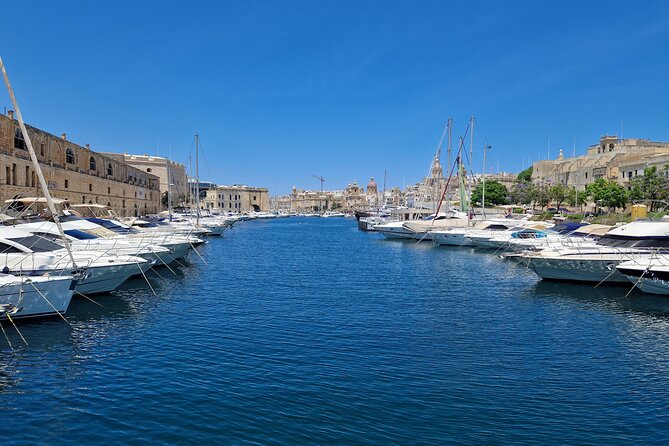
This is a guided harbor-walk through three towns that sit like a necklace around Malta’s Grand Harbour. Cospicua (Bormla) feeds you into the story, Birgu gives you the biggest historical stop, and Senglea adds a short waterfront break before you finish back by the boats. It is built for people who want to understand how Malta’s defenses, seafaring, and changing powers shaped everyday life.
The best part is that it does not feel like a checklist. The guide keeps the route human, with stops that connect one era to the next. In practice, that means you are not just standing in front of signs, you are walking through the same kind of space people once used for movement, escape, and survival.
And the group size matters. When you are in a crowd, you barely hear the story. With up to 12 people, the guide can slow down when questions pop up, and you can actually take in what you are seeing without someone constantly barging ahead.
Price and value: $24.19 for 2.5 hours of guided walking
At about $24.19 per person for roughly 2 hours 30 minutes, this lands in the “good value” zone for Malta, mainly because you are paying for a guide plus a structured route through three towns. You are not paying extra for the sights on the itinerary either, since each stop lists admission as free.
What you get for that money is not just facts. You get context that helps the harbor stop being abstract. When you hear about the knights building headquarters fortifications before Valletta, then later connect that to the British navy presence and Caravaggio’s imprisonment in the harbor fortress, the whole place clicks.
Also, a walking tour usually gives you more time with the actual streets. A bus route can move you between viewpoints quickly, but it does not teach you how the towns are laid out. Here, you get movement, angles, and pauses, which are where photos and memories happen.
Finally, this is offered in English with a mobile ticket, which makes planning easier. It is also designed for most travelers and keeps the pace manageable based on review feedback.
Stop 1: Cospicua waterfront to the road toward Vittoriosa
You start in Cospicua, then walk along the waterfront toward Vittoriosa, which is the real spine of the Three Cities experience. This first stretch is about getting your bearings. You ease into the setting by moving through a historic waterfront town rather than jumping straight into the largest fortress area.
The Cospicua portion is listed at about 1 hour, and it is a strong opener. Waterfront starts do two practical things: they give you a sense of direction and they show you what people used the harbor for in the first place. Even if you only catch partial views between buildings, you start to feel the towns as places that face water, trade, and defense, not just as sightseeing backdrops.
A drawback to note here is weather and sun. Malta can be bright and hot, and walking tours punish you if you show up underprepared. Reviews mention shade awareness, but you should still bring a hat, water, and a light layer that works if clouds roll in.
Stop 2: Birgu fortifications, Collacchio, and the Caravaggio link
Birgu (Vittoriosa) is where the tour earns its keep. This stop is about 1 hour 20 minutes, and it is packed with the kind of details you remember later. You enter the fortifications of the city built by the knights as their headquarters before Valletta existed. That is your first clue that this harbor was once the power center, not just a scenic one.
Then you move into smaller areas and passageways, including the Collacchio area and the walking route tied to an escape route from the city. That is a big value point for me. When you walk the idea of an escape route, you understand the purpose behind the walls, rather than treating fortifications like decoration.
The highlight, and the reason many people pick this tour, is the harbor fortress connection to Caravaggio. The itinerary specifically points to where Caravaggio was imprisoned in the harbor, which is not something you usually hear in a Malta “greatest hits” loop. Reviews also mention the Ottoman great siege and the British navy base, so you can expect the guide to weave multiple eras into one story line as you walk.
Practical tip: wear shoes with grip. You are moving through older town streets and fortress-adjacent ground. If it rained earlier, surfaces can get slick, even if the route is not long enough to feel exhausting.
Stop 3: Senglea’s short waterfront walk
Senglea is the quick finale, listed at about 10 minutes. It is not meant to overwhelm you after Birgu, and honestly that pacing works. You get a final harbor glance, a little change in scenery, and a reset before you finish near the boats.
This short stop is ideal if you like your tours balanced. Too many tours cram a third major town and make the day feel like a march. Here, Senglea functions like a palate cleanser, letting you absorb what you just learned in Birgu.
If the weather is good, this is also a moment to get one last photo with the waterfront background. If the weather is poor, it is at least a small exposure window.
Why the up-to-12 group size changes everything
This is a maximum of 12 travelers, and it shows in how the tour runs. In small groups, you hear the story, not just the loudest voices. The guide can also adjust timing for the weather, shade, and the pace of the group.
Review feedback backs this up. People praised how guides like Karl and Chris stayed engaging and funny without turning the tour into a lecture. The comments also mention that the walk felt comfortable and not too taxing, which matters if you do not do long distances on vacation.
The sweet spot here is attention to detail. When you are not fighting through a big crowd, a guide can point out small features that would be missed otherwise, like changes in the fortification layout, the meaning behind the escape route area, or why certain harbor spots matter for different powers.
Meeting point and ending point: how to avoid the classic ferry-time headache
Your start is at Valletta Ferry Service to Cospicua (Valletta Ferry Service – Cospicua, VGMC+G7M, Cospicua). Your tour ends at the Malta Maritime Museum area on the Birgu waterfront, in front of St Laurence Church, where small traditional boats leave back toward Valletta.
This matters because this tour lives on ferry connections. One review specifically flags a start-day moment where the ferry was not running from Valletta, so they used a taxi and still found the correct meeting pinpoint. The moral is simple: do not assume the ferry will match your mental timetable. Add buffer time so you are not arriving stressed and late.
Also, if you prefer to plan with fewer moving parts, you can look up your return option to Valletta the same way you plan the start. The ending location is set up to make the next step easy.
Finally, note that the tour is said to be near public transportation. That is a helpful safety net if you need to reroute last-minute.
What the included guide service actually does for you
The only listed inclusion is professional tourist guide services. That might sound minimal until you realize what the route demands. You are walking through fortifications and named areas like Collacchio and the escape route zone, plus you are connecting Caravaggio to a specific harbor prison location.
Without a guide, you could still walk between the cities, sure. But you would miss the “why.” You might see walls, but not the timeline and purpose behind them. A good guide turns that into a story your brain can organize.
This tour also fits people who like question time. Reviews mention guides staying approachable and answering queries, and that is the kind of thing that makes a walking tour feel worth your time. When you can ask, you stop guessing and start understanding.
Weather, walking pace, and what to bring
This experience requires good weather. If it is canceled due to poor conditions, you should be offered a different date or a full refund. Even when the tour runs, Malta weather can shift quickly, so you want gear that lets you keep moving.
Here is what you should plan for based on the nature of the route:
- Comfortable walking shoes for older streets and possible wet patches
- Water and sun protection, especially early in the Cospicua section
- A light rain layer, since short showers can happen even when the day is mostly fine
The good news: the walking length is spread out. Stop 1 is about 1 hour, Stop 2 is about 1 hour 20 minutes, and Stop 3 is only 10 minutes. The structure helps you pace yourself.
Who should book this Three Cities tour, and who might not love it
Book this if you want to connect the dots between Malta’s defense history and the harbor locations that shaped it. You will likely enjoy it if you like story-forward tours, because the strongest praised aspects in feedback focus on engaging guides, humor, and a clear flow that avoids repetition.
This also suits you if you do not want a “hard hike.” Reviews describe a gentle pace and note it is not too taxing for people who are not super fit. At the same time, it is still a walking tour through towns, so plan for time on your feet and the need to stay alert to footing.
You might consider another option if your schedule cannot tolerate ferry timing, since your start is tied to the ferry area in Cospicua. If you are the type who only wants one simple pickup and zero moving parts, the logistics will be the only real friction point here.
Should you book this 3 Cities walking tour?
If you want a smart Malta afternoon that teaches you the Three Cities beyond surface photos, I would book it. The price is reasonable for a 2.5-hour guided route through Cospicua, Birgu, and Senglea, and the payoff is a place-based story that includes the Caravaggio prison connection plus knights fortifications and the harbor’s later British presence.
The deciding factor for me is the format: small group, walking-heavy route, and strong guide performance. If you plan for the ferry schedule and bring weather-ready gear, this tour is one of the easiest ways to make the Three Cities feel understandable fast.
FAQ
How long is the 3 Cities Tour?
It runs for approximately 2 hours 30 minutes.
What does the tour cost?
The price is listed as $24.19 per person.
How many people are in the group?
The tour has a maximum of 12 travelers.
Is the tour offered in English?
Yes, it is offered in English.
Where does the tour start?
The tour starts at Valletta Ferry Service – Cospicua (VGMC+G7M, Cospicua, Malta).
Where does the tour end?
It ends at the Malta Maritime Museum area on the Birgu waterfront, in front of St Laurence Church (where small traditional boats leave toward Valletta).
Do I need a printed ticket?
No. The tour uses a mobile ticket.
Are service animals allowed?
Yes, service animals are allowed.
What happens if the weather is poor?
The tour requires good weather. If it is canceled due to poor weather, you will be offered a different date or a full refund.
More Tours in Malta

More Tour Reviews in Malta

Across the Water to the Three Cities
Recently reviewed around Malta
- Valletta City of Gentlemen guided walking tour★ 3.5 · 3 reviews
- Temples, Blue Grotto, Marsaxlokk★ 4.5 · 3 reviews
- The Village Experience Tour★ 5.0 · 3 reviews
- Serenity at Sea: Comino Blue Lagoon Exclusive Day Cruise★ 5.0 · 3 reviews
- Gozo and Blue Lagoon Private Boat Trips in Comino★ 5.0 · 3 reviews
- Malta Chocolate Factory Gin and Truffle Making Experience★ 5.0 · 3 reviews
- Malta: Around Comino Cruise With Blue Lagoon stop★ 5.0 · 3 reviews
- Pastizzi Making Experience in Malta★ 5.0 · 3 reviews
The Three Cities, compared.
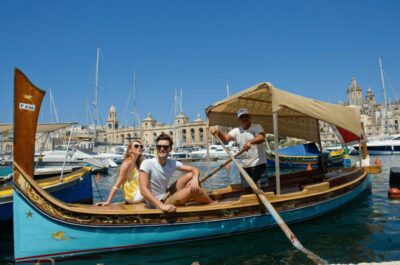 ★ 4.5The Three Fortified Cities Tour including Boat TripFrom $461,952 reviews
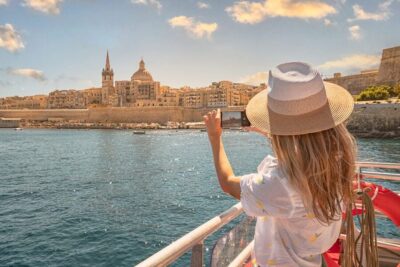 ★ 4.3From Sliema: Valletta and the Three Cities Scenic CruiseFrom $24763 reviews
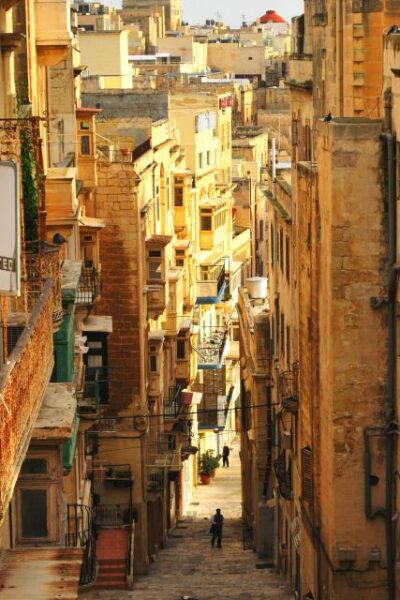 ★ 4.0Malta’s 3 Cities Tour & Wine TastingFrom $54502 reviews
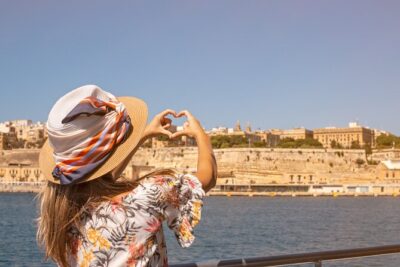 ★ 4.0Valletta & Three Cities Harbour CruiseFrom $23239 reviews
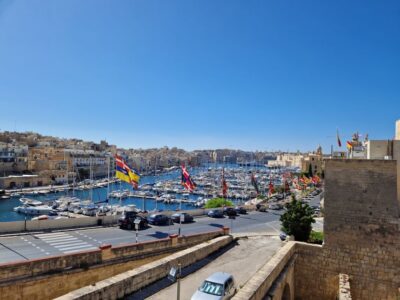 ★ 4.9From Cospicua: Senglea, Bormla, and Birgu Walking TourFrom $24138 reviews
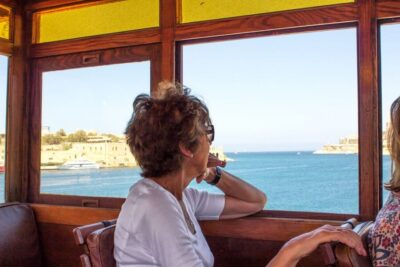 ★ 4.1Vintage Bus Ride through the Three CitiesFrom $24112 reviews
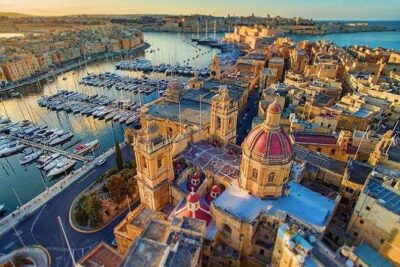 ★ 3.5The Three Cities and Wine Tasting TourFrom $55105 reviews
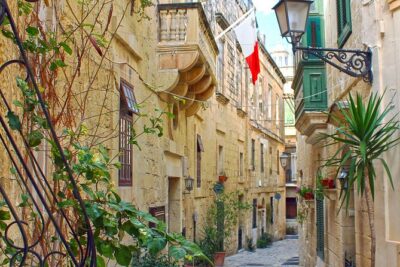 ★ 4.0Three Cities guided tour including harbour boat tourFrom $4691 reviews
Browse the lists this tour appears in