

REVIEW · MDINA AND RABAT
Malta: Blue Grotto, Dingli, Rabat, Mdina, Ta Qali & Mosta
A day of Malta in one clean route. I love how this tour strings together Blue Grotto views and Mdina’s medieval hush without wasting time. I also like that it gives you hands-on texture, from Roman catacombs in Rabat to real artisans at Ta’ Qali Crafts Village. One thing to plan around: the boat ride depends on weather, and in winter it may not run.
You’ll move by car between stops, which matters on Malta. The pacing is ideal if you want big sights plus local details, not just roadside photos. The tour is also rain or shine, so bring what you need for a changing sky, then let your guide handle the timing.
In This Review
- Key things that make this Malta day work
- Blue Grotto start: coastline beauty with a practical boat plan
- A small downside to expect
- Dingli Cliffs and Filfla: wide Mediterranean views, then a tiny mystery offshore
- Why the cliffs belong in your “first Malta” day
- Rabat’s catacombs and winding lanes: ancient layers you can walk through
- How to enjoy Rabat without feeling rushed
- Mdina, the Silent City: fortified calm plus palace-worthy views
- Plan for a food and wine moment
- Ta’ Qali Crafts Village: meeting Maltese makers where the work is real
- Smart shopping advice, without overthinking it
- Mosta’s Rotunda basilica: one dome stop that anchors the day
- What makes this ending feel satisfying
- Private tour value: who it fits and how the price makes sense
- The human factor, and why guides matter here
- What to pack and what to expect weather-wise
- Should you book this Traditional Malta tour?
Key things that make this Malta day work

- A tight southwest route that hits Blue Grotto, Dingli, Rabat, Mdina, Ta’ Qali, and Mosta in one go
- Optional Blue Grotto boat ride when conditions cooperate, with a 15-minute ride and a small fee
- Mdina without the rush feeling, since the day is driven by a local, English-speaking driver-guide
- Ta’ Qali Crafts Village lets you see makers at work, from ceramics to glass-blowing and filigree
- Photo and video-friendly stops at cliffs, old town streets, and Mosta’s basilica dome
- A private format (2 to 19 people) means you can ask questions and adjust your pace
Blue Grotto start: coastline beauty with a practical boat plan

The day kicks off on Malta’s south-western coast, and the mood shifts fast. You begin at Blue Grotto, a spot known for eye-catching water that can look different every minute as the light changes.
If conditions are right, you can add a traditional boat ride. It’s about 15 minutes and costs a nominal fee. Here’s the practical tip: treat the boat as a bonus, not the whole goal. Even if it doesn’t operate in certain weather, you still get the dramatic setting, and your guide will help you get the best angles while you’re there.
This stop is especially good for first-timers because it’s one of Malta’s most recognizable coastal scenes. It also sets up the rest of the day, since you’ll keep seeing how the island’s limestone coast shapes what you can see and how you travel.
A small downside to expect
Because this part can depend on weather, you may have a moment where you’re watching the sky. That’s normal here, and it’s one reason this tour pairs a flexible boat with solid land stops you can enjoy regardless.
Dingli Cliffs and Filfla: wide Mediterranean views, then a tiny mystery offshore
Next you head to the Dingli Cliffs, with sweeping views over the Mediterranean. This is where Malta feels larger than life, even when you’re still just a short drive from your first swim-ready stop.
The cliffs also give you a chance to spot Filfla, a tiny, uninhabited islet about 5 kilometers off the coast. It’s not about spending time there. It’s about watching how Malta’s horizon works, and how small details stay visible even from a high viewpoint.
If you like photography, this is the kind of place where your best shots depend on timing. A good guide can help you choose a better moment to step back and compose, especially on a busier day. In past days on this island, guides like Joseph have been praised for crowd-smart tips, like when to move so you’re not stuck behind a line of camera phones.
Why the cliffs belong in your “first Malta” day
The cliffs are a simple win. No waiting in long lines. No complicated logistics. You get breathing room, then you move on while the light is still your friend.
Rabat’s catacombs and winding lanes: ancient layers you can walk through

After the coastline, you climb into history at Rabat. This town is known for historic churches, Roman catacombs, and winding, labyrinthine streets.
I love this kind of stop because it’s Malta’s story in layers. The churches give you the visible continuity of daily life. The catacombs remind you that people have been carving out space here for a very long time.
Also, Rabat’s street layout helps your brain slow down. Instead of one straight shopping strip, you get curves and turns. That makes it feel like a real town, not a theme park. And when you’re moving between major attractions, that change in rhythm matters.
How to enjoy Rabat without feeling rushed
Give yourself permission to wander the lanes for a bit before you fully commit to any one area. The “Labyrinthine streets” description is real, and it’s part of what makes Rabat feel like an old place rather than a checklist stop.
Mdina, the Silent City: fortified calm plus palace-worthy views
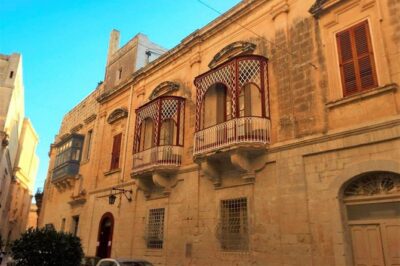
Then comes Mdina, the fortified medieval city that used to be Malta’s capital. It’s often called the Silent City, and the reason is simple: today it’s home to a small population, barely 250 people.
Mdina can feel like a time capsule. You’ll be surrounded by old walls and quiet streets, but the real magic is how the place still functions as a home for noble families and the palaces owned by them. You’re not just looking at buildings. You’re looking at what’s been kept, and what still lives.
If you want a classic photo stop, Mdina is that. But I also like it as a mental break from earlier coastal awe. The day shifts again from sea drama to stone calm.
Plan for a food and wine moment
You’ll have enough time here to try local specialties, including food and wine. That’s a big value point, because it turns the day from sightseeing into something more lived-in. If your schedule has been tight, Mdina is where that “sit, taste, and people-watch” time pays off.
Ta’ Qali Crafts Village: meeting Maltese makers where the work is real

After Mdina, you head inland to Ta’ Qali Crafts Village and National Park. This is where the day gets hands-on in a way that most sightseeing tours skip.
Ta’ Qali is known for Maltese handicrafts, including ceramics, glass-blowing, filigree, and work with semiprecious stones. The emphasis here isn’t only on browsing. It’s on seeing craftsmen at work, so you understand what you’re buying and why it’s different.
I like this stop because it gives you a clean souvenir path. If you buy anything, you’re not just picking up a generic trinket. You’re buying something tied to a specific craft and skill set you watched in action.
Smart shopping advice, without overthinking it
Set a small budget in your head before you walk in. Then focus on two things: quality of finishing and whether the piece reflects one of the craft types you saw demonstrated. Your guide can point you toward good choices based on what they’ve seen people enjoy before.
Mosta’s Rotunda basilica: one dome stop that anchors the day
The final major stop is Mosta, famous for its basilica, also known as the Rotunda. It’s noted for one of the largest unsupported domes in the world.
This is your “big finish” moment. Earlier stops gave you coastal scale, cliff views, hidden underground layers, and old-town streets. Mosta brings it all up to one powerful visual: a massive dome that dominates the space around it.
And because it’s the last stop, it works well even if you’re tired. You get a clear focal point, then you can relax before heading back.
What makes this ending feel satisfying
A lot of day tours end on a shopping street or a quick photo corner. Mosta is different. It’s a real landmark with a strong sense of place.
Private tour value: who it fits and how the price makes sense
The price is listed at $261 per group up to 4, and the tour runs about 8 hours. That can sound like a “small group luxury” number, but what you’re really paying for is efficiency.
You’re getting hotel or location pickup and drop-off, plus a driver who handles the full route. That reduces the hassle of figuring out connections and timing your day across multiple towns. It also cuts down your fatigue, because you’re not doing the in-between travel on your own.
To sanity-check value: if you’re a group of four, $261 means about $65 per person for an entire day of multiple major sights. If you’re fewer people, the math shifts, but the private format can still be worth it if you prefer your own pace and you want the flexibility to ask questions.
The tour is also described as a private experience for 2 to 19 people, so this can work for small families or a tight group of friends.
The human factor, and why guides matter here
The standout praise centers on the driver-guide experience. Joseph is singled out as wonderful and attentive, with suggestions on how to avoid crowds on a busy day. Kais and Joe also get credit for being friendly and knowledgeable, and Leslie is praised for safe, careful driving.
Translation for you: this isn’t just transportation. It’s a day where the person behind the wheel is also your context giver, helping you get more out of each stop.
What to pack and what to expect weather-wise
Bring sunglasses, comfortable clothes, and a hat. This is the kind of day where sun can hit hard at sea-level stops and at viewpoints.
The tour runs rain or shine. Only the boat part may not operate in winter. So don’t plan your expectations so tightly that you feel disappointed if you can’t get on the water at Blue Grotto.
Also, there are restrictions: weapons or sharp objects are not allowed. That’s standard, but worth noting.
Should you book this Traditional Malta tour?

I’d book it if you want a first-time-friendly Malta day that covers the southwest’s most famous mix: sea views, medieval streets, underground history, crafts, and a final architectural wow.
Skip it or consider another option if the Blue Grotto boat ride is your single, must-have goal and you’re traveling during a season when boat operations might be limited. Also, if you’re the type who hates moving around, this might feel like a lot, since the day strings together multiple towns and viewpoints.
If you’re open to a well-paced loop with a driver who knows how to keep the day moving, this is a strong way to see a lot of Malta without turning your trip into a bus-scheduling math problem.
Mdina and Rabat, compared.
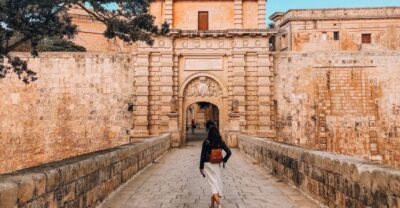 ★ 4.4Highlights of Malta & Mdina Full Day Tour with LunchFrom $792,688 reviews
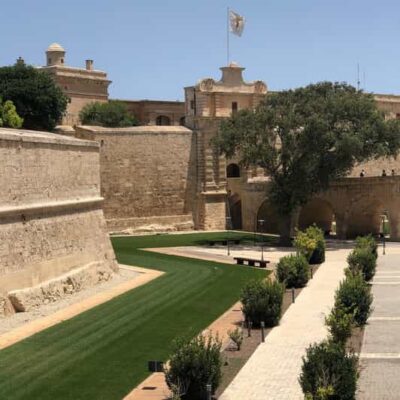 ★ 4.8Mdina and Rabat Walking Tour with CatacombsFrom $291,126 reviews
 ★ 4.3Mdina, Dingli Cliffs and San Anton Botanical GardensFrom $41991 reviews
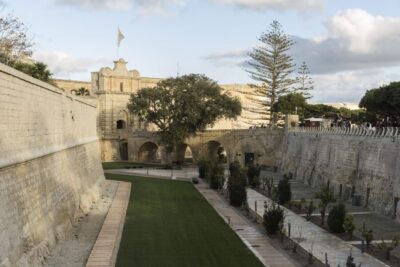 ★ 4.8Mdina and Rabat: Guided City Walking TourFrom $24549 reviews
 ★ 5.0Mdina and Rabat Insider’s TourFrom $24528 reviews
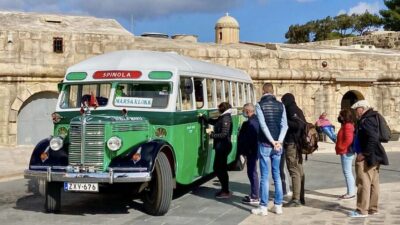 ★ 4.1Valletta: Vintage Bus to Valletta, Sliema, Rabat & MdinaFrom $9433 reviews
 ★ 5.0Mdina and Rabat Tour with Local GuideFrom $24408 reviews
 ★ 5.0Mdina and Rabat Walking Tour inc. Catacombs and St. Paul’s GrottoFrom $30341 reviews
Browse the lists this tour appears in