

REVIEW · GRAND HARBOUR AND CREEK CRUISES
Private Boat Tour of the Grand Harbour on the Island of Malta
The harbour feels bigger from the water. This private boat tour turns Malta’s Grand Harbour into a short, story-filled ride, with clear explanations in English and time to actually enjoy the views. For me, the best part is that you get the port, the forts, and the dramatic backstory in one easy stretch, without feeling rushed.
I especially like the way the guide works the route, with a calm, friendly style that comes through even when conditions get choppy or rain rolls in. And because it is a private set-up, you can move at your pace instead of getting swept along with a crowd. The main consideration is simple: at about 35 minutes, you are mainly sightseeing from the water, so it is not the kind of tour where you can plan on deep museum time.
In This Review
- Key highlights to look for
- 35 minutes on the water, seeing Valletta and the Three Cities
- Gondola trips on Liesse, and what the private setup changes
- Fort St Elmo and the National War Museum, from Knights to WWII
- Valletta from the water, bastions, curtains, and Baroque city edges
- Grand Harbour facts you can spot as the boat moves
- Fort Ricasoli at the entrance, Gallow’s Point, and Napoleon landings
- Fort St Angelo and Fort St Michael, built for repeated siege reality
- Price and value for a private 35-minute harbour highlight
- Weather and timing tips for choppy water, rain, and comfort
- Should you book this private Grand Harbour boat tour?
- FAQ
- How long is the Private Boat Tour of the Grand Harbour?
- What is the price per person?
- Is this tour private?
- Where does the tour meet in Valletta?
- What language is the tour offered in?
- Do I receive a mobile ticket?
- Does the tour require good weather?
- What is the cancellation policy?
Key highlights to look for
- A 35-minute Grand Harbour loop that keeps the focus on what matters most
- Fort St Elmo to Fort St Michael described as siege-era landmarks, not random buildings
- Private boat time with only your group on board
- Keith-style storytelling that ties together architecture, war, and everyday geography
- Real flexibility for how you want the ride to feel, one way versus a longer path
- Easy access from Valletta starting at Gondola trips in Il-Belt Valletta
Back into the harbours, other sailings
- The Best Traditional 2 Harbours Day Cruise of Malta
★ 4.2 · 432 reviews - Malta: Marsamxett Harbour and Grand Harbour Cruise by Night
★ 4.3 · 282 reviews - Valletta & Three Cities Harbour Cruise
★ 4.0 · 239 reviews - The Traditional Harbour Cruise
★ 4.0 · 159 reviews
35 minutes on the water, seeing Valletta and the Three Cities
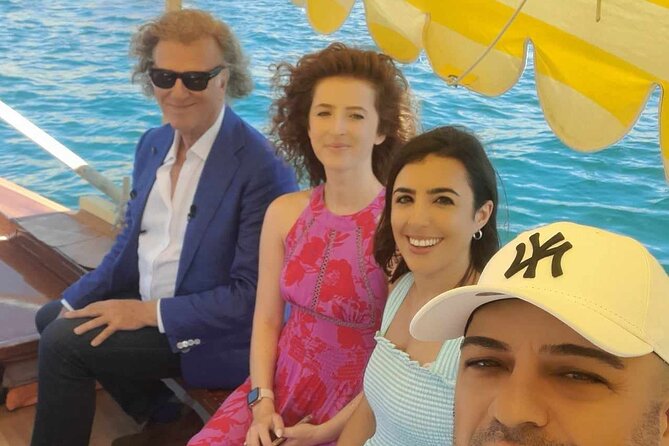
If you only have a slice of time in Valletta, this is a smart way to spend it. A 35-minute private harbour cruise gives you wide views across Grand Harbour and the areas people often lump together as the Three Cities. From the water, the port stops being a backdrop and starts acting like the main character.
You will get close looks at forts that were built to control the entrance, defend supply lines, and survive repeated attacks. The ride also helps you build a mental map fast. Valletta sits on one side, the fortifications and creeks stretch along the harbour edges, and the cities across the water start to make sense as part of a single defensive system.
One more win: the pace tends to feel relaxed. In real life, there are days with wind and waves, and this tour can still work because the guide stays steady and focused on safety and comfort. Just know it is a short window, so it is best for first-time orientation or a highlight during a busy day.
Gondola trips on Liesse, and what the private setup changes
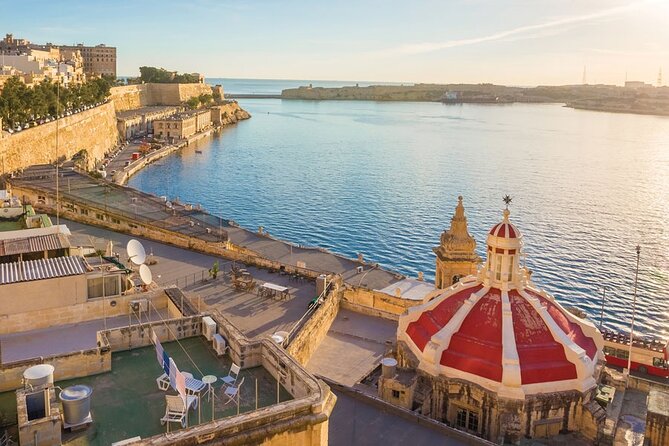
You meet at Gondola trips, 59 Liesse, Il-Belt Valletta, Malta, and the tour ends back at the same point. That out-and-back structure keeps the plan simple, which matters when you are juggling dinner plans, museum stops, or ferry schedules.
The private format is the real difference maker. Instead of sharing the boat with strangers, you get your own conversation space and a layout that works for families too. One family experience included an almost 4-year-old, and the ride still felt calm and enjoyable, which tells you the vibe is not about speed or thrill-seeking.
There is also a practical advantage to how this tour is run. You can typically shape the ride so it fits your day, like choosing a more one-direction feel versus a longer way around. If you like controlling your itinerary instead of being trapped in someone else’s timing, that flexibility helps.
Fort St Elmo and the National War Museum, from Knights to WWII
Fort St Elmo is the kind of place you remember because it has layers. It was built by the Knights in 1552 in just four months, and it took heavy hits during major conflicts, including the Great Siege of Malta and later bombardments in World War II. From the water, the fort reads as a defensive statement, not just a historical landmark.
What makes this stop click is the story inside the walls. The fort holds a chapel tied to knights who fought to the death while protecting the altar of the Chapel of St. Anne during the Great Siege. If you have not heard that kind of detail before, it gives the fort a human scale.
The National War Museum also adds a modern shock of reality. You can see the George Cross, along with aircraft wreckage, weapons, and military vehicles. Even if you are not going inside for a full museum session, the framing the guide gives helps you understand why this site sits where it does, and why it mattered so much.
One practical note: because the overall tour is short, you should treat Fort St Elmo as a highlight viewpoint and orientation stop. If you want hours of museum time, plan that separately. Here, you are getting the fast, intelligent version.
Valletta from the water, bastions, curtains, and Baroque city edges
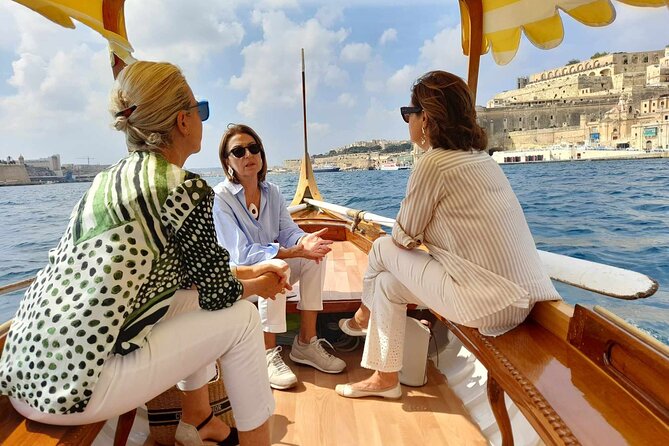
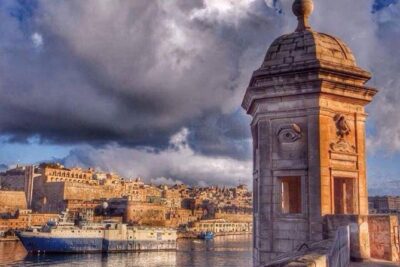
Valletta is Malta’s capital, and from the harbour you start seeing the city as a fortress. The fortifications are made up of bastions, curtains, and cavaliers, and those terms stop sounding abstract once you can see how they relate to the surrounding sea space.
The view also connects architecture to geography. The harbour is not just pretty, it is strategic. The shape of Valletta’s defenses reflects the need to control sightlines, block approaches, and protect movement between land and sea. That is why a water-based tour is such a win here. You can watch the coastline become a map, instead of trying to decode it from streets.
You will also notice the softer side of Valletta. Baroque palaces, gardens, and churches show up as part of the same city fabric, not as separate worlds. That mix is one reason this stop is worth it even if you already walked around Valletta earlier. Seeing the city’s edges from the harbour gives you a new angle on what you thought you knew.
If you are visiting for the first time, this is a quick way to build context before you hit walking routes. If you have visited already, it is still useful. The water turns the city’s shape into a lesson you can remember.
Other boats you can have to yourselves
Grand Harbour facts you can spot as the boat moves
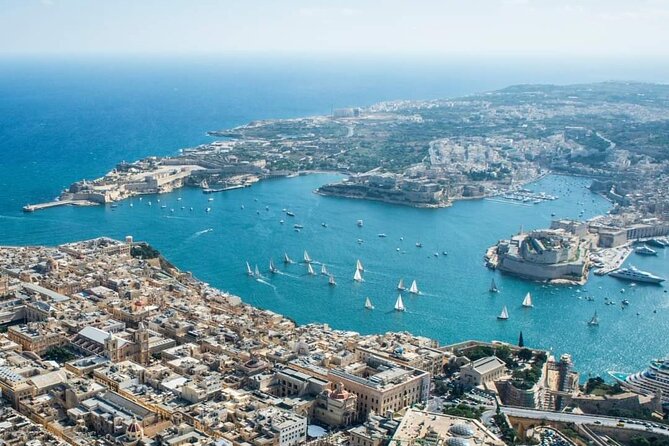
Grand Harbour, also known as the Port of Valletta, goes back in time. It dates to prehistoric periods around 3700 BC, and you can feel that scale when the guide links long timelines to the same stretches of coastline.
You get some easy geography lessons that actually help you look. The north west shore is formed by the Sciberras peninsula, which divides Grand Harbour from a parallel natural harbour called Marsamxett Harbour. On the south eastern side, inlets and headlands include Rinella Creek, Kalkara Creek, Dockyard Creek, and French Creek.
The harbour also explains why the Three Cities are where they are. Areas such as Cospicua, Vittoriosa, and Senglea connect to the coastline’s inlets and sheltered spaces. That is exactly the kind of detail that makes the views more meaningful, instead of just pretty.
Then the stories get harsher. The harbour served as the base for the Knights of St John for 268 years, and after they left it became a strategic British base for another 170 years. There was also a late 16th century tornado tied to major loss of life and destroyed shipping, followed by heavy bombing during World War II because docks and military installations were legitimate targets.
If you are the type who likes to understand what you are seeing while you are seeing it, this part of the cruise delivers. You start recognizing areas as part of a working port, not just a scenic frame.
Fort Ricasoli at the entrance, Gallow’s Point, and Napoleon landings
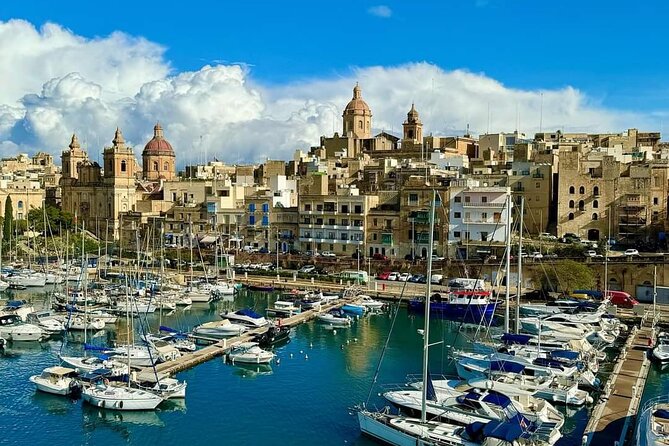
Fort Ricasoli is the largest fort in Malta, built starting in 1670 and completed by 1698. It sits on a promontory over the entrance to the Grand Harbour, so it reads instantly as a gatekeeper site. From the water, that location makes perfect sense. Controlling the entrance meant controlling what could come in and what could be stopped.
There is also a name with a grim origin: the point is called Gallow’s Point, tied to the execution of two slaves who tried to escape. That kind of detail is exactly why a guided cruise helps. Without context, the fort would be just a big shape. With context, it becomes part of the human drama of the island.
Fort Ricasoli appears in more than one historical chapter. In the late 18th century, it fought off a French assault, and later negotiations led to the Order handing over the Maltese Islands. Napoleon landed here soon after. Then, during World War II, it protected Malta, including defensive work in 1941 with guns supplied by the British and protection during an attack by an Italian flotilla.
Today, you might even spot why it is filmed. It serves as a location for international movies, which is a reminder that these fortifications still look cinematic because they were built to be dramatic and defensible.
Fort St Angelo and Fort St Michael, built for repeated siege reality
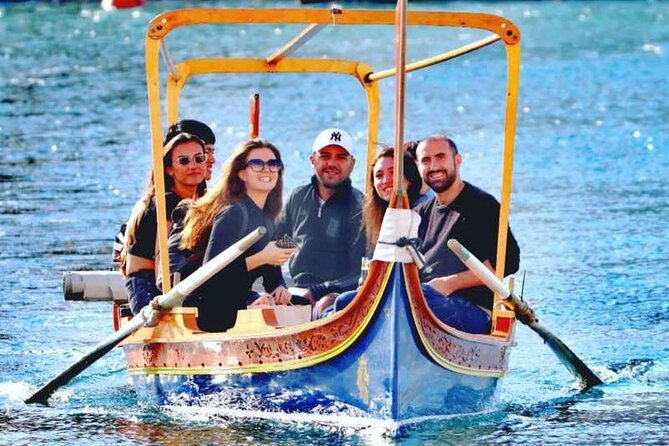
If you remember just one idea from this cruise, make it this: Malta’s harbour fortifications were designed for repeated rounds of conflict, not a one-time battle. Two forts show that pattern well.
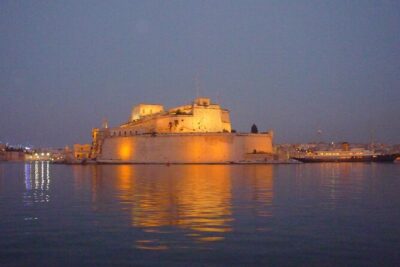
Fort St Angelo sits at the end of the Birgu peninsula. After 1530, the Order of St John christened it Fort St Angelo and made it their headquarters. The Knights rebuilt and remodelled it with artillery platforms that reflect the bastioned defence system. In World War II, it suffered 69 direct hits, and it kept serving as a Royal Navy shore establishment in Malta until March 1979. That long working life matters. It shows the fort was not only built for history books.
Then there is Fort St Michael, tied to Senglea and the Ottoman threat. After the 1551 attack, the Order decided to build a fort on the peninsula known as Isola di San Michele. Senglea later grew around it. During the Great Siege of 1565, the fort withstood 10 Ottoman attacks and did not fall, though it took extensive damage. After the siege, it was rebuilt as Saint Michael Cavalier and completed in 1581, and today you mainly see the outer bastions.
What I like about these stops is the way they “chain” together. You start seeing how the harbour’s defenses were layered, with different sites covering entrances, headquarters functions, and key approaches.
If you are thinking of skipping this portion because you want more time elsewhere, I get it. But if your goal is to understand why Malta looks the way it does, these two forts help connect the dots quickly.
Price and value for a private 35-minute harbour highlight
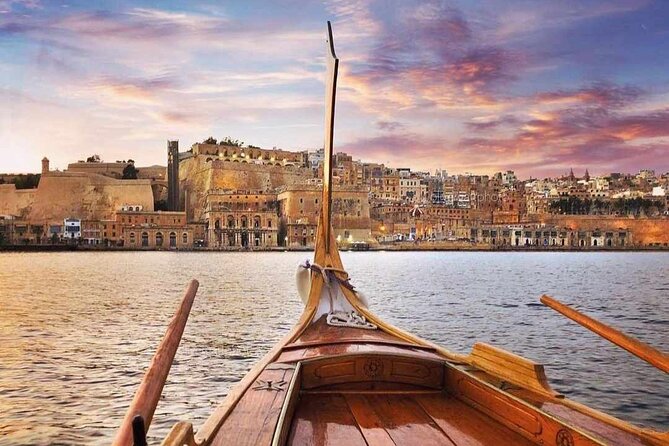
At $40.36 per person for about 35 minutes, this tour sits in the affordable range for a private experience with a local guide. The short duration keeps it from dragging, and the private nature keeps it from feeling like a rushed stamp-collection.
The clearest value is not the number of sites. It is the interpretation. The guide connects architecture, war events, and harbour geography into a single moving lesson. You get to understand why forts were built where they were, why the harbour mattered for empires, and why WWII made the port a target.
There is also a reassurance factor. The tour has a 5 out of 5 rating based on 44 ratings, and it is recommended by 100% of people. That does not mean you will love every minute, but it does suggest the experience is consistently delivered.
This tour also makes sense for people who have already spent time walking in Valletta. You get a second viewpoint without needing another long day plan. And for families, the relaxed approach can help keep younger kids comfortable when you are not racing from stop to stop.
Weather and timing tips for choppy water, rain, and comfort
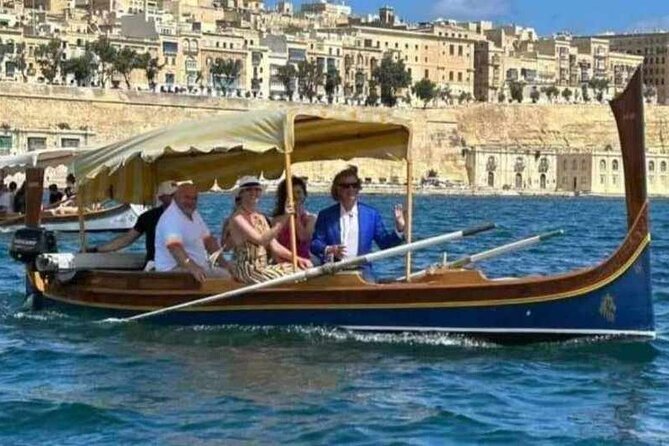
This is one of those tours that really does depend on good weather. When conditions are rough, you want a guide who stays steady. The experience you can draw from real day-to-day operation is that the guide can keep things calm, even when rain or higher waves show up.
So what should you do? Dress for real sea air, not just sunshine. Bring a light layer, and if you have waterproof outerwear, use it. Even if you think you will not need it, Malta weather can change fast.
For timing, plan around your overall day. A 35-minute boat ride works well before dinner or between indoor stops. If you are hoping for a softer light for photos, late afternoon is often best on Mediterranean coasts, and you can usually treat this as an easy add-on to that plan.
Should you book this private Grand Harbour boat tour?
Yes, if you want a short, guided hit of Malta that actually makes the coastline make sense. This is especially worth booking if you like history tied to place, and if you want to see Fort St Elmo, Fort Ricasoli, and the Birgu-side fortifications without spending your day inside museums.
Skip it or plan differently if you are looking for a long, hands-on tour where you can linger. This one is built for views and interpretation, and time on the boat is the priority.
If your trip includes Valletta plus at least one other area across the water, I think this cruise gives you the payoff faster than almost any add-on.
FAQ
How long is the Private Boat Tour of the Grand Harbour?
It lasts about 35 minutes.
What is the price per person?
The price is $40.36 per person.
Is this tour private?
Yes. Only your group participates.
Where does the tour meet in Valletta?
The meeting point is Gondola trips, 59 Liesse, Il-Belt Valletta, Malta.
What language is the tour offered in?
It is offered in English.
Do I receive a mobile ticket?
Yes, it is a mobile ticket.
Does the tour require good weather?
Yes, it requires good weather. If it is canceled due to poor weather, you will be offered a different date or a full refund.
What is the cancellation policy?
You can cancel for free up to 24 hours in advance for a full refund. Cancellation less than 24 hours before the start time is not refundable.
More Tour Reviews in Malta
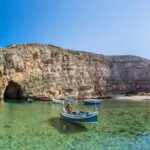
Boats You Can Have to Yourselves
Around the Grand Harbour
Recently reviewed around Malta
- Valletta City of Gentlemen guided walking tour★ 3.5 · 3 reviews
- Temples, Blue Grotto, Marsaxlokk★ 4.5 · 3 reviews
- The Village Experience Tour★ 5.0 · 3 reviews
- Serenity at Sea: Comino Blue Lagoon Exclusive Day Cruise★ 5.0 · 3 reviews
- Gozo and Blue Lagoon Private Boat Trips in Comino★ 5.0 · 3 reviews
- Malta Chocolate Factory Gin and Truffle Making Experience★ 5.0 · 3 reviews
- Malta: Around Comino Cruise With Blue Lagoon stop★ 5.0 · 3 reviews
- Pastizzi Making Experience in Malta★ 5.0 · 3 reviews
Grand Harbour and Creek Cruises, compared.
 ★ 4.5From Sliema: Cruise Around Malta’s Harbours & CreeksFrom $242,292 reviews
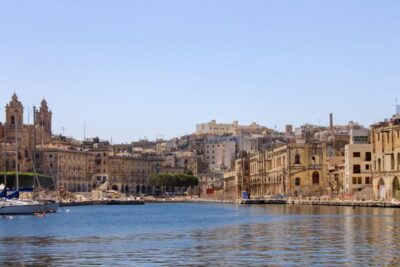 ★ 4.2The Best Traditional 2 Harbours Day Cruise of MaltaFrom $24432 reviews
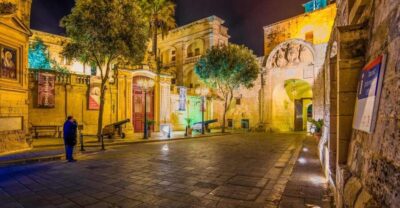 ★ 4.3Mdina: Valletta Waterfront Area, Mdina, and Rabat Night TourFrom $41302 reviews
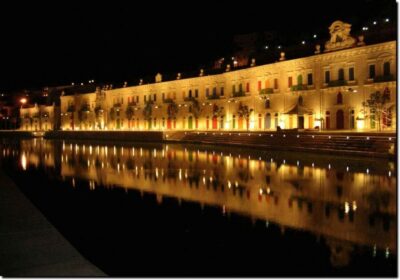 ★ 4.3Marsamxett Harbour and Grand Harbour Cruise by NightFrom $24282 reviews
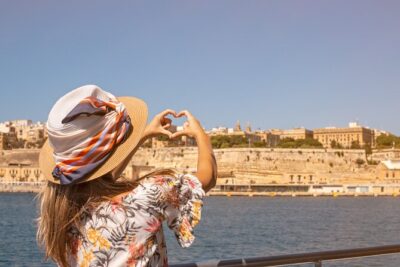 ★ 4.0Valletta & Three Cities Harbour CruiseFrom $23239 reviews
 ★ 4.5Panoramic Cruise around Malta’s Harbours and CreeksFrom $24218 reviews
 ★ 4.0The Traditional Harbour CruiseFrom $24159 reviews
 ★ 4.5Valletta Harbour CruiseFrom $24129 reviews
Browse the lists this tour appears in