
REVIEW · VALLETTA TOURS AND EXPERIENCES
The Original Valletta Walking Tour
Valletta makes sense fast when guided. This UNESCO morning walk stitches together the Knights of St John era, Baroque streetscapes, and big Grand Harbour views in one easy route.
I love the small group size, capped at 25, so you actually hear the story and get your questions answered. I also like that much of what you see is free to admire from the street, so your $26.60 goes toward meaning, not just entry fees.
The tradeoff is simple: you will stand and walk. And if your phone map tries to send you the long way, the meeting spot by the New Parliament Building can trip you up, so come ready to follow the exact start point.
In This Review
- Key highlights at a glance
- Why this 3-hour morning walk works for Valletta first-timers
- Starting at the New Parliament Building, Republic Street
- Valletta City Gate and the stretch of old meets new
- Church stops that tell you who mattered
- Auberges, palaces, and the optional ticket choices
- St. John’s Co-Cathedral and Grand Master power
- Barrakka Gardens and the Grand Harbour viewpoints
- Price and logistics: what $26.60 really buys
- Finding your guide near the New Parliament Building
- How to make the most of the walk: pace, questions, and comfort
- Should you book this Valletta Walking Tour?
- FAQ
- How long is The Original Valletta Walking Tour?
- Where do I meet the guide, and where does the tour end?
- How big is the group?
- What language is the tour offered in?
- Do I get a mobile ticket?
- Is hotel pickup included?
- Are admission tickets included for all the sights?
- Can I cancel and get a full refund?
- Are service animals allowed?
Key highlights at a glance
- Small group, max 25 for a calmer, more personal pace
- 3-hour morning overview that helps you understand what you are looking at
- Baroque and Knights of St John storytelling tied to real places you can see
- Barrakka Gardens viewpoints with a slow moment over the Grand Harbour
- Most stops viewed outside with extra sights only if you choose to enter
- Strong guide energy (names you might hear include Mario, Matthew, Giulia, and Carmel)
Still in Valletta? Here is what else is on
- The Original Valletta Walking Tour
★ 5.0 · 2,719 reviews - Valletta: 3-Hour Walking Tour
★ 4.7 · 1,605 reviews - Valletta: Guided City Walking Tour
★ 4.8 · 1,256 reviews - Valletta: Street Food and Culture Walking Tour
★ 4.8 · 1,251 reviews
Why this 3-hour morning walk works for Valletta first-timers
Valletta is one of those places where you can wander for hours and still feel like you missed the point. This tour is built to fix that fast. In a 3-hour stretch, you get a guided spine for the city, so later, when you go back on your own, the streets stop being random.
You start in central Valletta and finish at St George’s Square, so it also works well if you plan to continue exploring after the tour ends. The route leans into what makes Valletta recognizable, especially the Knights-era layout and the Baroque look that shows up everywhere.
The group stays small, with up to 25 people. That matters, because it keeps the pace human. You can hear the guide without constantly craning your neck or competing with a loud crowd.
Starting at the New Parliament Building, Republic Street
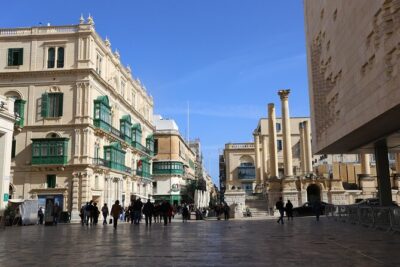
You meet at the New Parliament Building on Republic St in Valletta. It is a helpful anchor point because it is central, and it signals you are moving from modern Valletta into the older fortress-city story.
From this start, the tour quickly sets context. You learn that Valletta was built by the Knights of St John back in 1565, and that the city is now protected as a UNESCO World Heritage Site. That quick framing is what turns the walk from sightseeing into understanding.
If you are coming from a cruise ship, the meeting area can feel confusing at first. One practical tip from experience shared by other visitors is to head toward the elevators rather than letting your phone map guess. There are shortcuts and changes in level that maps sometimes get wrong, especially around the harbor side.
Valletta City Gate and the stretch of old meets new
The first big stop is Valletta City Gate. It is short on time but not on symbolism. The gate is basically a reminder that this city was designed as a defensive stronghold, not a casual promenade.
Then you shift toward the modern entrance with a stop at the New Parliament. Yes, that is not the 1500s. But the point is smart. You get a sense of how the city keeps evolving while still protecting its old bones. Valletta is not frozen in time, and this tour makes that clear early.
Next comes one of the most interesting “wait, what happened here?” moments: Pjazza Teatru Rjal, the ruins tied to the Royal Opera House story. The tour pauses here to explain what these famous ruins are and why they matter. Even if you do not know anything about Maltese theater, the guide connects it to bigger patterns in the city.
Church stops that tell you who mattered
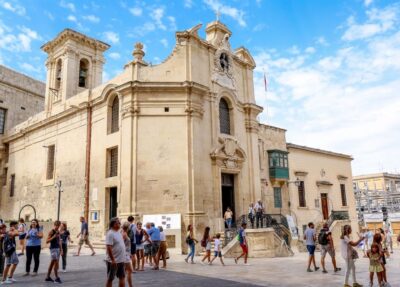
From the ruins, the walk moves toward Our Lady of Victories Church. This stop is built around a specific question: which famous hero of Malta’s history is buried here. That kind of guided prompt is a big reason the tour feels more like a story than a checklist.
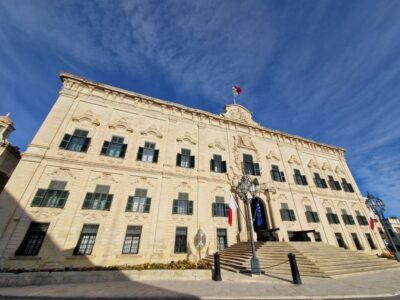
Then you head to Il-Berga ta’ Kastilja, where you focus on the façade of an important building. This is the part of Valletta where architecture is not just pretty. The design cues point you toward who lived, who ruled, and how power worked in the Knights period.
Along the way, the tour also takes you past major landmarks you will likely want to photograph. You may see the Church of St. Paul’s Shipwreck referenced as part of the Baroque highlight set, plus reminders of Valletta’s role in major historical events, including the Great Siege Monument, the Siege Bell Memorial, and Fort St Elmo. Even when you do not go inside, the guide points out enough context that you will recognize what you are looking at later.
Other guides worth walking behind
Auberges, palaces, and the optional ticket choices
One of the smartest parts of this tour is that it keeps you moving but also offers optional entrances where it makes sense. Two examples come up in the walk.
First, there is a stop at Auberge d’Italie, described as the new Museum of Fine Arts. Admission there is not included, so you are deciding on your own whether you want to pay extra and go in. If you love art and want more than exterior viewing, this is your cue.
Second, you get Palazzo Parisio. The guide frames it with a question about a world-famous historical figure who once spent time living there. Again, admission details are not included for this specific stop, so you are mostly getting the context and the visual orientation.
This optional approach is good value for people who want flexibility. If you are tired, you can keep your energy for viewpoints. If you are energized and want more, the walk drops you near places where you can keep spending money, but only if it fits your interests.
St. John’s Co-Cathedral and Grand Master power
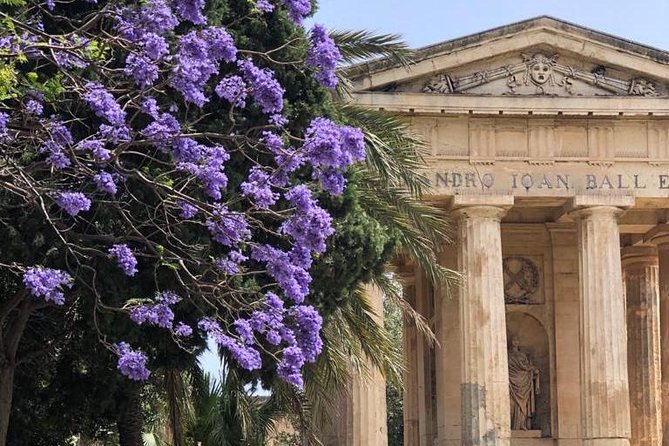
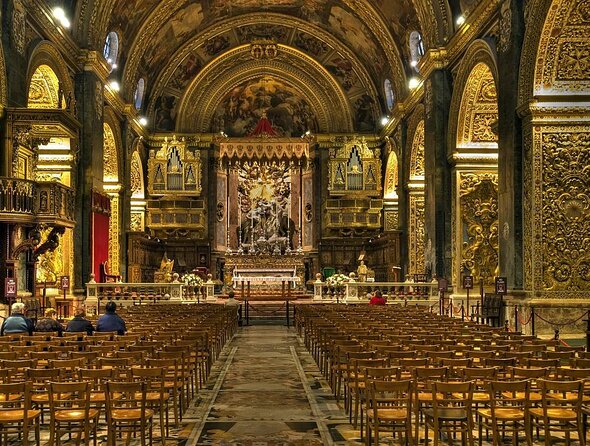
St John’s Co-Cathedral is one of Valletta’s must-see sights, and the tour makes sure it is more than a quick photo stop. The focus here is on the stories of famous artists whose works are depicted inside. Admission is not included, but the guide gives you the background so you do not feel lost if you do choose to go in.
One practical thing to plan for: major churches can have schedule surprises. In feedback shared by visitors, Mario specifically suggested trying to visit inside St John’s church even when it looked closed, because services can make it open. You cannot count on that every day, but it is a reminder that timing matters in Malta.
After that, you reach St George Square, the city’s main square. This is a useful pivot point. You can pause, orient yourself, and decide what you want to tackle next on your own time.
The tour then finishes the core monuments stretch at the Grand Master’s Palace. Admission is not included here either, but the guide explains why the building mattered across centuries. Even if you only view the exterior, the storytelling helps the palace stop being a generic big building and start being a symbol of how Valletta worked.
Barrakka Gardens and the Grand Harbour viewpoints
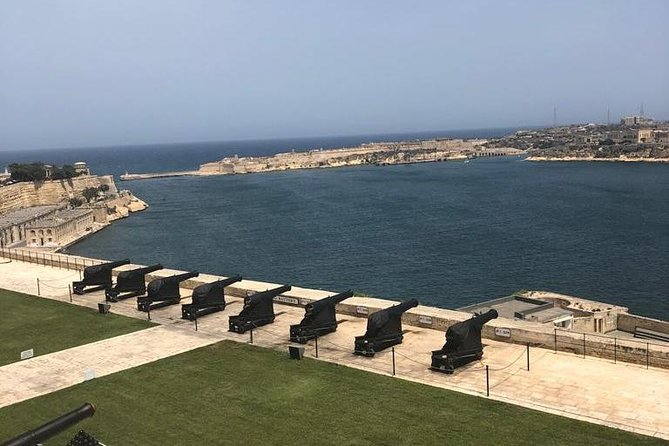
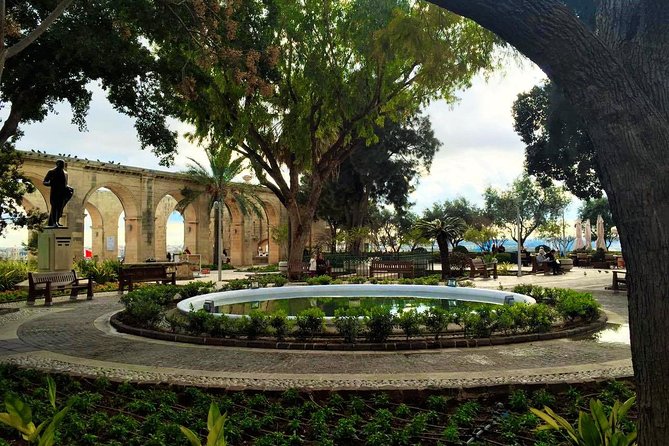
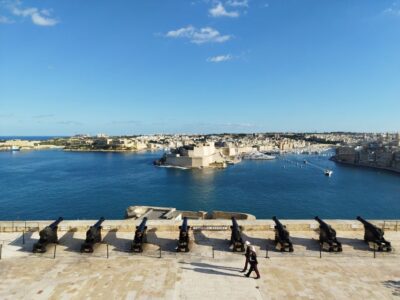
Upper Barrakka Gardens is where the tour slows down. You get around 30 minutes here, and the point is the view over the Grand Harbour.
This stop is not just scenic. It is strategic. Valletta’s whole defensive story comes alive when you look outward and imagine what these walls had to protect. The guide ties the viewpoint back to the city’s history, so it feels like a payoff rather than a random garden break.
You will likely walk through the garden areas around this time window, and you may also hear how Valletta was the European Capital of Culture in 2018. That bit of modern cultural context is helpful if you are trying to balance history with what is alive today.
If you need a reset, this is a good place to do it. Some visitors also mentioned a short break partway through for coffee. If you are traveling in warmer months, use this kind of pause to rehydrate and take stock.
Price and logistics: what $26.60 really buys
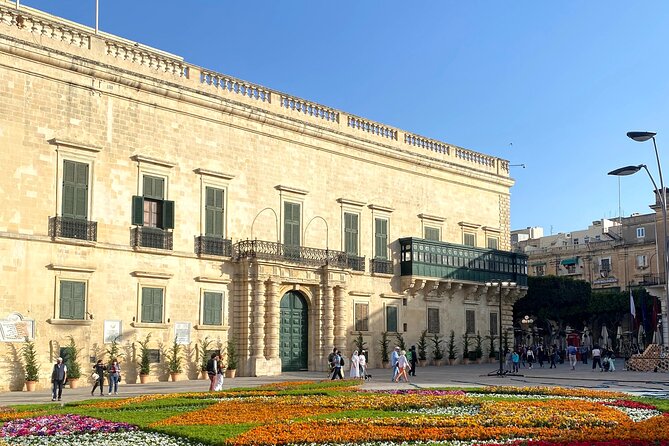
At $26.60 per person for about three hours, this tour is priced for maximum value, especially because the guide work is the main product. You are paying for a professional guide, not just time in front of buildings.
The other value lever is that many of the stops you can view with free exterior access. The tour includes free admission at key points, including Valletta City Gate, the New Parliament, and major square and garden stops. That means you spend your money on the explanation, not on constant ticketing.
That said, there are real optional paid entries. Auberge d’Italie (Museum of Fine Arts), St John’s Co-Cathedral, and the Grand Master’s Palace are marked as admission ticket not included. If you want to go inside all of them, you should budget extra. If you do not, you will still get the guided context so you can choose later.
Finding your guide near the New Parliament Building
Meeting in Valletta is often less about distance and more about pinpointing the right building. One recurring theme from visitor feedback is that phone maps can steer you off course, even when the destination looks obvious.
Here is the practical way to think about it. Use the confirmed meeting point: New Parliament Building, Republic St. If you see your map insisting you walk an hour away, that is your cue to pause and recheck.
If you are arriving from the cruise port, one shared route goes like this: take the elevator up, walk through the gardens, veer right through an arched gate to the square, then turn left and veer right. The instruction is to meet in front of the modern building before the bridge. If you reach the bridge, you have gone too far.
Also, having WhatsApp ready can help if the guide needs to connect quickly. In one set of feedback, a guide did reach out when a group was slightly late, and having WhatsApp loaded made it easier.
Finally, pay attention to your start time. There can be more than one walking tour operating from the same general area and wearing similar outfit styles. Your best defense is simple: confirm you are at the correct start time and match your group to the correct guide.
How to make the most of the walk: pace, questions, and comfort
This tour is designed to be doable for most people, but it is still a walking tour. Expect cobblestones, short distances between stops, and plenty of standing while the guide explains what you are seeing.
Many people liked the pacing. Some noted that the walking pace felt gentle and that the guide included a short mid-tour pause for coffee. If you want that kind of comfort built in, this schedule style tends to work.
Also, bring your curiosity. This is the kind of tour where a guide’s stories matter, not just the buildings. The feedback names show a pattern: guides like Mario, Matthew, Giulia, and Carmel are described as engaging, humorous, and willing to answer questions on the spot.
If you want maximum value, do two things:
1) Listen for the “why” behind each landmark, not only the “what.”
2) Ask one question per stop. Even one good question changes how you remember the day.
Weather can shift fast in Valletta. Some visitors said a sunny morning made it feel even easier, so wear layers you can adjust. And bring water, because even a few warm minutes between views can add up.
Should you book this Valletta Walking Tour?
Book it if you want a fast, guided orientation to Valletta. It is ideal for first-time visitors and anyone short on time who still wants the city to make sense. You get a focused route through major sights like City Gate, the cathedral area, Grand Master’s Palace, and the Barrakka Gardens viewpoints, with context that helps you explore later on your own.
I would also book it if you like architecture plus stories. The tour pays attention to Baroque design, Knights-era significance, and why certain places are famous, including the ruins tied to the Royal Opera House and the siege-era memorials.
Skip it or consider a different style of tour if you want a fully ticketed museum-and-interior day. Some of the biggest interiors are not included, and you will need to choose extra stops based on your interests and time. And if standing and walking are deal breakers for you, you might prefer a more seated, slower plan.
If you are planning just one guided hit in Valletta, this one is a smart choice.
FAQ
How long is The Original Valletta Walking Tour?
The tour lasts about 3 hours.
Where do I meet the guide, and where does the tour end?
You meet at the New Parliament Building on Republic St in Valletta. The tour ends at St George’s Square.
How big is the group?
The tour is limited to a maximum of 25 travelers.
What language is the tour offered in?
The tour is offered in English.
Do I get a mobile ticket?
Yes, the tour uses a mobile ticket.
Is hotel pickup included?
No hotel pickup and drop-off is included.
Are admission tickets included for all the sights?
No. Some stops are listed as admission ticket free, while others are not included, including the Auberge d’Italie (Museum of Fine Arts) and visits related to St John’s Co-Cathedral and the Grand Master’s Palace.
Can I cancel and get a full refund?
Yes. You can cancel up to 24 hours in advance for a full refund.
Are service animals allowed?
Yes, service animals are allowed.
More Tours in Valletta




More Tour Reviews in Valletta
Valletta, Keep Going


Recently reviewed around Valletta
- Tour of Malta (Private Driver) Including Lunch Platter & Wine in the countryside★ 4.5 · 3 reviews
- Valletta: Express Walk with a Local in 60 minutes★ 4.9 · 4 reviews
- Shore Excursion: Private Full-Day Tour of Valletta & Mdina★ 5.0 · 4 reviews
- Valletta Private Historical and Cultural Walking Tour★ 5.0 · 4 reviews
- Private Tour in Malta Prehistoric Temples & Mdina★ 5.0 · 4 reviews
- Private Tour of the Maltese Island (Private Driver)★ 5.0 · 4 reviews
- Leisure Pass in Malta★ 4.0 · 4 reviews
- Malta tour 3Cities , Marsaxlok ,Blue grotto Hagar qim★ 4.9 · 4 reviews
Valletta Tours and Experiences, compared.
 ★ 4.7Valletta: 3-Hour Walking TourFrom $251,605 reviews
 ★ 4.8Valletta: Guided City Walking TourFrom $241,256 reviews
 ★ 4.8Valletta: Street Food and Culture Walking TourFrom $651,251 reviews
 ★ 4.9Valletta: City Walking Tour in a Small GroupFrom $24957 reviews
 ★ 4.3From Sliema: Valletta and the Three Cities Scenic CruiseFrom $24763 reviews
 ★ 4.3Valletta: Guided Walking Tour with Optional Cathedral TourFrom $46758 reviews
 ★ 5.0The Valletta Street Food and Culture Walking TourFrom $66711 reviews
 ★ 5.0Valletta Food TourFrom $60711 reviews
Browse the lists this tour appears in