
REVIEW · VALLETTA TOURS AND EXPERIENCES
Valletta: 3-Hour Walking Tour
Valletta rewards your feet. In three hours, you’ll trace the city’s best-known sights and some surprising corners, all with a licensed guide in English. I love how the route mixes big photo moments like Upper Barrakka Gardens with slower, street-level details that help Valletta make sense fast. One thing to consider: it is a real walking tour, so if you have limited mobility or you struggle with English, you’ll feel the strain and miss some of the narration.
You start near the Parliament of Malta and work your way through landmarks tied to the Knights of St. John, Grand Master Jean de Valette, and the later eras that shaped today’s capital. The payoff is the views, plus the context, but you’ll still want comfortable shoes and a quick willingness to climb and pause often.
In This Review
- Key Things That Make This Valletta Tour Worth It
- Valletta’s Best Deal: A 3-Hour Walk That Actually Makes Sense
- Where You Start by Valletta City Gate and the Parliament of Malta
- Royal Opera House and the City’s Old Versus New Tension
- Auberge de Castille, Pjazza Jean de Vallette, and Knights-Era Presence
- Church of Our Lady of Victory, Baroque Detail, and Quiet Street Rhythm
- Upper Barrakka Gardens, Siege Bell Memorial, and the Grand Harbour View
- Palazzo Parisio and Valletta’s Taste for Private Splendor
- St John’s Co-Cathedral and Republic Street: The Facial Scorecard
- Courts of Justice Building, St George’s Square, and Fort St Elmo Glimpses
- Lower Barrakka Gardens Finish: Where the Walk Lands
- The Guide Makes the Difference, and the Reviews Show It
- Price and Value: What $25 Buys You in Valletta
- What to Wear, and How to Decide If This Walking Pace Fits You
- Should You Book This Valletta Walking Tour?
- FAQ
- Where do I meet the guide for the Valletta 3-hour walking tour?
- Where does the tour end?
- How long is the tour?
- How much does the tour cost?
- Is a guide included?
- Are entrance fees included?
- What language is the tour guide?
- Do I need to bring anything specific?
- Are hotel pick-up and drop-off included?
- Can I cancel for a refund?
Key Things That Make This Valletta Tour Worth It
- Upper Barrakka Gardens views over the Grand Harbour, plus time built in to take it all in
- Streets built by the Knights of St. John, explained in a way that connects buildings to events
- Renzo Piano’s controversial new Parliament building, discussed alongside the older city fabric
- Siege Bell Memorial viewpoint moments that help you understand Valletta’s defense story
- St John’s Co-Cathedral and Republic Street for major architecture hits without a rushed pace
- Clear, engaging guides in English, including names like Matthew, Carmel, Maria, Marija, and Giulia in past tours
Still in Valletta? Here is what else is on
- The Original Valletta Walking Tour
★ 5.0 · 2,719 reviews - Valletta: 3-Hour Walking Tour
★ 4.7 · 1,605 reviews - Valletta: Guided City Walking Tour
★ 4.8 · 1,256 reviews - Valletta: Street Food and Culture Walking Tour
★ 4.8 · 1,251 reviews
Valletta’s Best Deal: A 3-Hour Walk That Actually Makes Sense
Valletta is small, but it’s not flat, and it’s not laid out for guesswork. This tour is designed for exactly that problem. In 3 hours, you get a spine of sights from the Royal Opera House area toward the harbour viewpoints, so you stop feeling lost and start feeling oriented.
I like that the pace leaves room for photo stops and for the guide to connect dots between eras. Valletta has layers, Knights-era buildings, Baroque churches, later public architecture, and modern civic statements. When you hear how they relate, the city shifts from a pile of pretty facades into a readable story.
The itinerary also makes smart use of sightlines. You’re not just walking past places, you’re repeatedly moving toward water views and terraces, including the Upper and Lower Barrakka Gardens. That matters because Valletta is a “see it and then understand it” city. If you only pop into one museum, you miss the big idea.
Where You Start by Valletta City Gate and the Parliament of Malta
You meet your guide at the bottom of the steps next to the Parliament of Malta, near the Valletta City Gate. This is a good start point because it’s already in the heart of the capital, not out on the edge where you waste time getting going.
From the start, expect a walk through old streets that can feel tight and uneven. Bring comfortable shoes, and plan on slowing down for stairs and corners. Valletta’s surface can be slippery if it’s damp, so take your time when you’re turning onto stone lanes.
Royal Opera House and the City’s Old Versus New Tension
The first real anchor stop is the Royal Opera House, Valletta. Even if you’re not catching a performance, the building helps set the tone. It signals that Valletta is not frozen in time, it keeps adding chapters.
This matters because the tour later points out the controversial new parliament building by Renzo Piano. You’ll notice how that modern structure sits in the city’s historic frame. Instead of pretending Valletta is one style, your guide helps you see the argument playing out in architecture.
If you like cities that show debates in real space, you’ll enjoy this segment. If your personal style is strictly medieval and you want zero modern references, you might find yourself wishing for more Knights-era streets earlier. Still, hearing why the modern building causes a stir makes the whole walking route more meaningful.
Auberge de Castille, Pjazza Jean de Vallette, and Knights-Era Presence
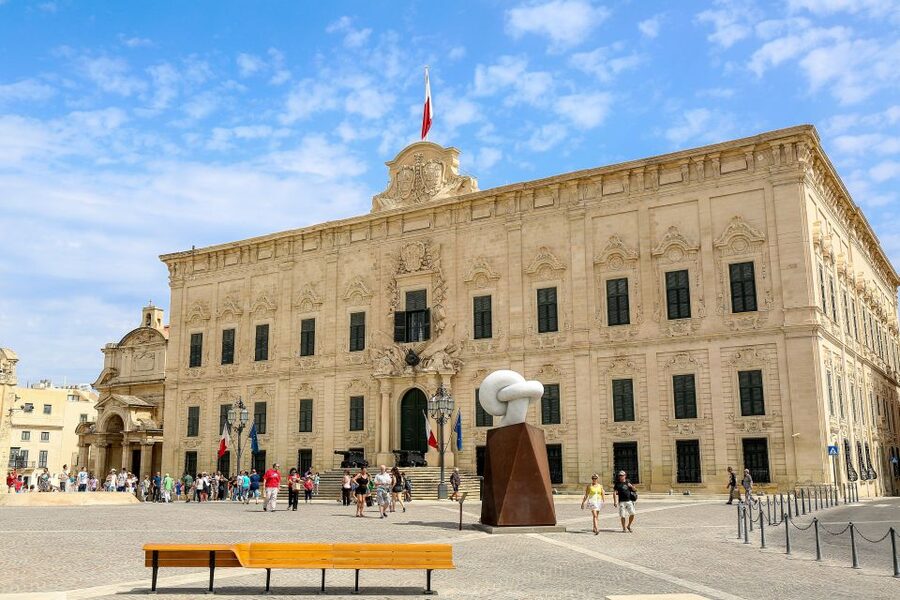
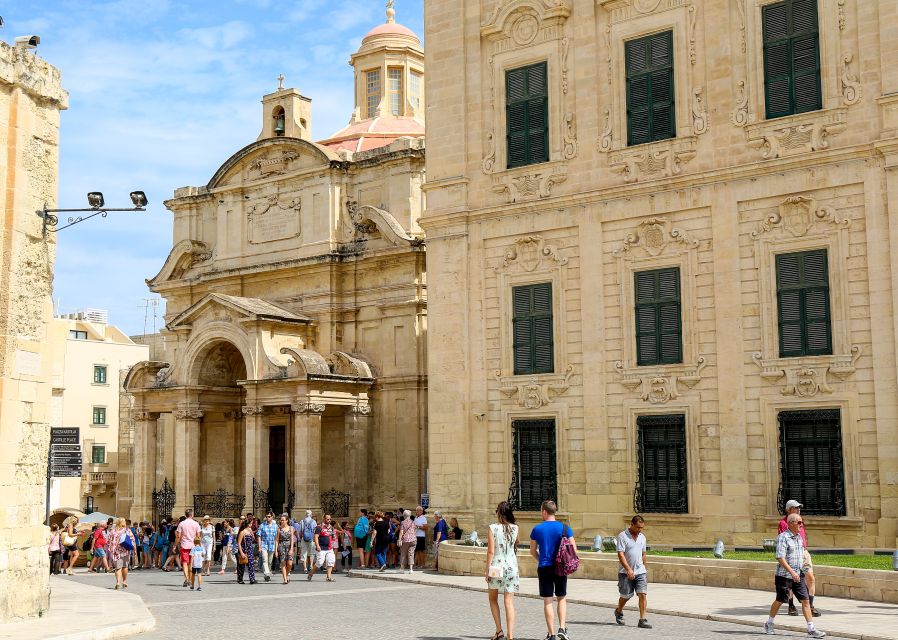
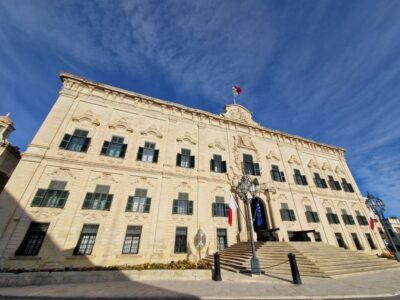
Next, you tour Auberge de Castille (Castile), which is one of the key Knights-era stopovers in Valletta. This is where the guide’s job really starts to pay off. The Auberges were tied to the military-religious order and the way the Knights organized themselves across language and region. When your guide explains what you’re looking at, the building reads less like a shell and more like a piece of how power worked on the island.
Then you head to Pjazza Jean de Vallette. The square is named for Grand Master Jean de Valette, the figure behind Valletta’s founding. This is one of those moments where a guide’s phrasing can do a lot. You’re in the right place, and suddenly the city’s layout feels intentional rather than random.
A small tip: keep your eyes up and not just straight ahead. In Valletta, you’ll often see the story in stonework, doorways, and street openings, not only in the big landmark signs.
Other guides worth walking behind


Church of Our Lady of Victory, Baroque Detail, and Quiet Street Rhythm
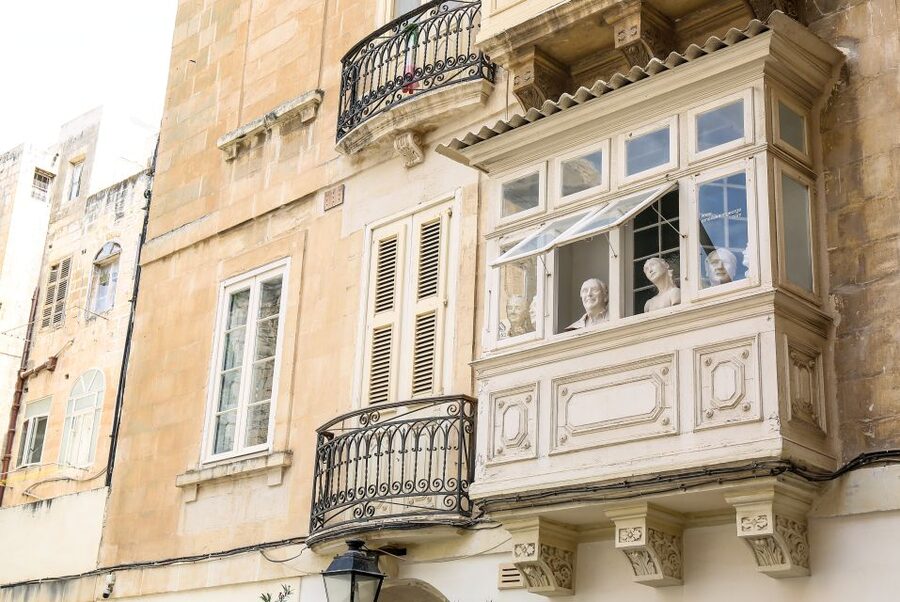
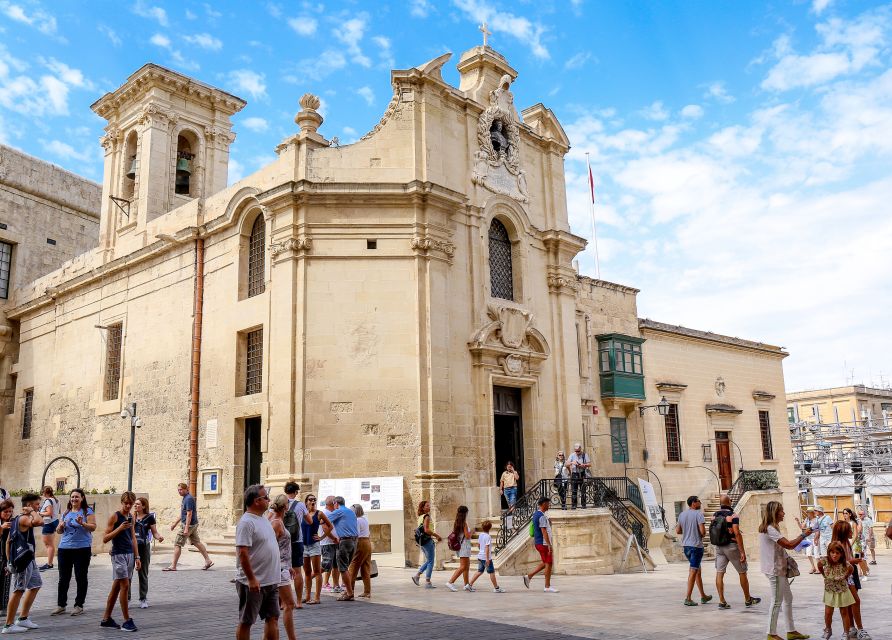
The tour continues to Church of Our Lady of Victory. You’ll likely notice how Baroque design aims for impact. Rather than plain comfort, these churches are built to impress your attention and your emotions. Your guide’s narration helps you spot what makes the church feel different from simpler styles you might see elsewhere.
From here, the walk keeps a steady rhythm. Valletta lanes can make time feel strange. The guide’s pacing keeps you from rushing through and missing details, but it also prevents the tour from turning into a long lecture.
One thing I appreciate in the way this tour works is the mix of interiors and viewpoints. You’re not stuck looking at façades only. You get the city’s physical mood, then you get to breathe and look out over the harbour.
Upper Barrakka Gardens, Siege Bell Memorial, and the Grand Harbour View
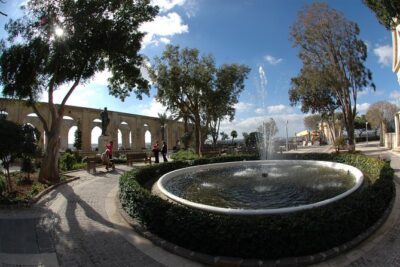
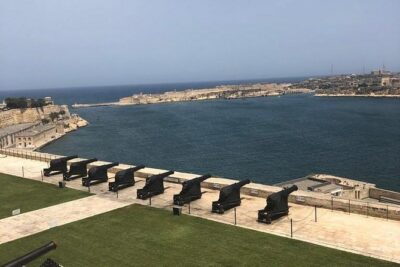
This is one of the best parts of the whole experience. You stop at Upper Barrakka Gardens for a break, plus time for guided explanation and sightseeing. The big value here is the combination: perspective, context, and a little rest.
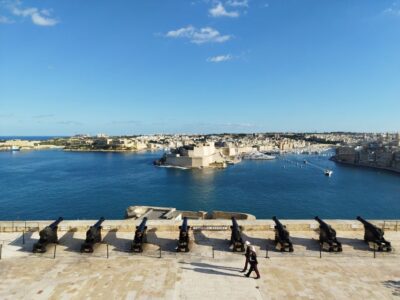
From these terraces, you can take in the Grand Harbour. And then, with the guide’s help, you connect that view to Valletta’s defensive mindset. That’s where the Siege Bell Memorial comes into play. It’s a poignant reminder of how the city was built around alerts, threats, and preparedness.
I love this stop because it changes your mental model of Valletta. Before this, you’re moving through streets. After this, you understand why the streets were worth defending in the first place. It’s also a great moment for photos, because the harbour gives you depth and scale.
Palazzo Parisio and Valletta’s Taste for Private Splendor
Next, the tour visits Palazzo Parisio, Valletta. Palaces here are never just about looks. They also reveal wealth, social position, and how people wanted to live in a city that could be dramatically tight and steep.
This stop is also useful for broadening your understanding. If all you ever see is churches and fortifications, Valletta starts to feel like only faith and defense. A palazzo brings in the civilian layer, the daily dream of status and culture.
Expect guided time and street-level walking around the area, then back onto the main trail. If you enjoy architecture with a social angle, this segment will click.
St John’s Co-Cathedral and Republic Street: The Facial Scorecard
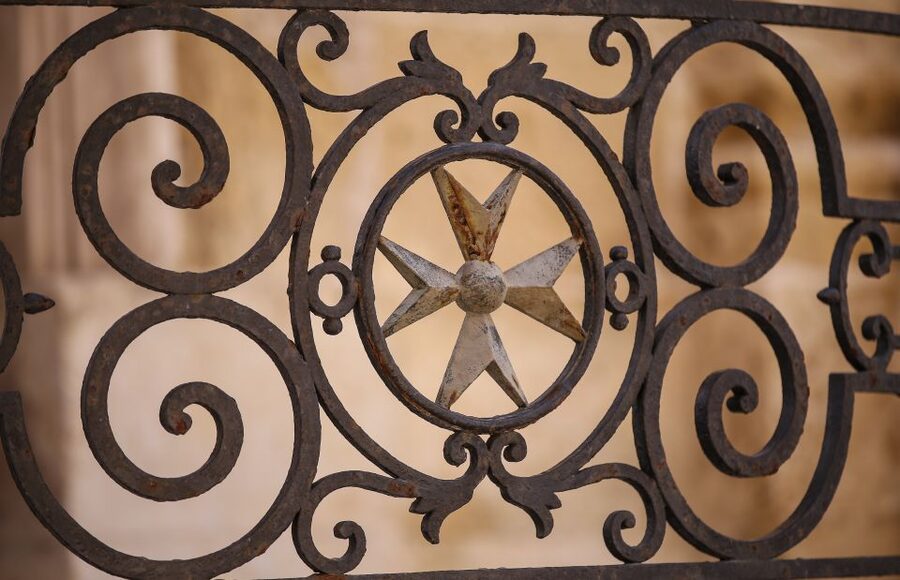
You then reach St. John’s Co-Cathedral, a landmark people plan their whole Valletta day around. Here, your guide focuses on the façade and the wider importance of the building. It’s not just “look at the pretty church.” It’s part of a bigger story about the Knights’ identity and the island’s connection to wider European currents.
After that, you pass along Republic Street. This is where you get that classic “walk it, don’t just stare at it” feeling. Republic Street helps tie the major sites together, acting like a corridor between big moments.
Also, the tour route includes key cultural sights such as the Bibliotheca Nazionale and Piazza Regina, so you get more than one type of monument. The national library is especially useful as a reminder that Malta wasn’t only a military outpost. It was also a place where learning and prestige mattered.
Courts of Justice Building, St George’s Square, and Fort St Elmo Glimpses
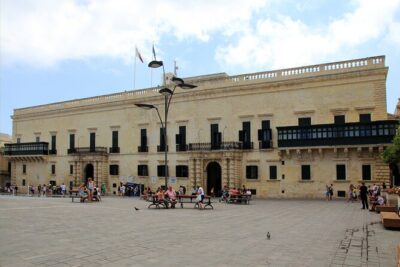
The next stops include Courts of Justice building and St. George’s Square. These aren’t always the headline attractions for casual visitors, but they matter because they show how Valletta functions today. Your guide’s narration keeps it from turning into background scenery.
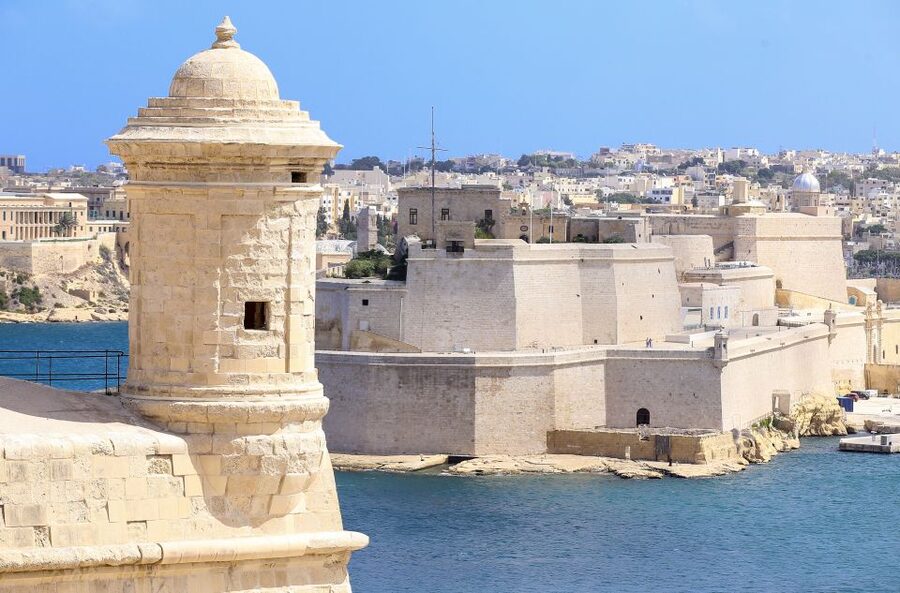
Then you pass by the National War Museum – Fort St Elmo. Even without going inside, the fort connection reinforces the city’s defense narrative. Valletta is one of those places where forts aren’t a separate day trip. The fort idea sits in the same mental folder as the terraces and memorials you saw earlier.
I like that the tour includes this “glance, then explain” approach. You get awareness without forcing you to add an entrance ticket on top of everything else.
Lower Barrakka Gardens Finish: Where the Walk Lands
The tour finishes at Lower Barrakka Gardens. This ending is smart because it keeps you close to the harbour vibe, the same big open-view area that gave you perspective earlier.
It also helps if you want to keep exploring after the tour. You’re not dropped somewhere random. You’re left in an area where you can keep wandering with a clearer sense of direction and why each building matters.
The Guide Makes the Difference, and the Reviews Show It
This is one of those tours where the guide style seriously affects your enjoyment. The format is walking plus talking plus short explanation stops, so you need someone who can keep things clear without turning it into a speech.
Past guides have included Matthew, Carmel, Marija, Giulia, Julia, and Maria, and the standout theme is how well they explain Malta’s history in everyday language. People also mention that the guides answered questions and kept a friendly pace.
If you’re the type who likes to ask why something looks the way it does, you’ll probably have a good time here. One review even mentioned quick support when someone let the team know they were running late, which suggests the provider tries to keep things smooth.
Price and Value: What $25 Buys You in Valletta
At $25 per person, this tour prices itself as a practical way to get orientation and context without paying for a heavy, all-ticket day.
What you get:
- A licensed guide
- A structured walking route with guided time at the main stops
What you don’t get:
- Entrance fees
- Hotel pick-up and drop-off
That last point is the one you should plan around. If you want to see interiors, especially at major sights, you should budget separately for tickets once you know which places you care about most. Still, even with entrance costs added, paying for a walking guide can save time and help you choose what to pay to enter, instead of paying for everything blindly.
Also, with the overall review rating sitting at 4.7 from 1,605 reviews, you can feel confident you’re booking a format that’s working for a lot of people. That’s not a guarantee, but it’s a strong signal.
What to Wear, and How to Decide If This Walking Pace Fits You
This tour is 3 hours of walking, and the one clear requirement is comfortable shoes. Valletta’s streets and steps can be tough if you’re not used to uneven stone and frequent turns.
Language is also an important factor. The tour runs with a live English guide. In the reviews, I saw a note that it may not suit people with weaker English, so I’d take that seriously. If English listening is hard for you, you might end up frustrated even if the sights are impressive.
Who this tour fits best:
- First-time visitors who want a sensible Valletta “spine”
- People who like architecture and can enjoy context while walking
- Anyone who wants harbour views without spending the whole day on one long museum circuit
Who might want to pair or adjust it:
- If you want mostly interior visits, you may want a second ticket-based plan after the tour
- If you are very sensitive to walking, you might consider a shorter option or be selective about which viewpoints matter most to you
Should You Book This Valletta Walking Tour?
If you want a way to see Valletta’s highlights without getting stuck in guesswork, I’d book it. The route hits major landmarks, includes strong viewpoint time at Upper and Lower Barrakka Gardens, and keeps the story anchored to real places tied to the Knights and later civic life.
I’d also book it if you like guides who explain the why, not just the what. The repeated mention of guides like Matthew and Carmel for clear, engaging storytelling is exactly what makes a walking tour worth paying for.
One last check before you commit: if you expect mostly effortless strolling and limited listening in English, this probably won’t be the right fit. But if you’re ready for a solid 3-hour walk with great views and helpful context, this tour is a strong value way to kick off your Valletta days.
FAQ
Where do I meet the guide for the Valletta 3-hour walking tour?
Meet your guide at the bottom of the steps next to the Parliament of Malta near the Valletta City Gate.
Where does the tour end?
The tour ends in the Lower Barrakka Gardens area.
How long is the tour?
The duration is 3 hours.
How much does the tour cost?
The price is $25 per person.
Is a guide included?
Yes. A licensed guide is included.
Are entrance fees included?
No. Entrance fees are not included.
What language is the tour guide?
The tour is in English.
Do I need to bring anything specific?
You should wear comfortable shoes for a 3-hour walking tour.
Are hotel pick-up and drop-off included?
No. Hotel pick-up and drop-off are not included.
Can I cancel for a refund?
Yes. You can cancel up to 24 hours in advance for a full refund.
More Tours in Valletta



More Tour Reviews in Valletta
Valletta, Keep Going


Recently reviewed around Valletta
- Tour of Malta (Private Driver) Including Lunch Platter & Wine in the countryside★ 4.5 · 3 reviews
- Valletta: Express Walk with a Local in 60 minutes★ 4.9 · 4 reviews
- Shore Excursion: Private Full-Day Tour of Valletta & Mdina★ 5.0 · 4 reviews
- Valletta Private Historical and Cultural Walking Tour★ 5.0 · 4 reviews
- Private Tour in Malta Prehistoric Temples & Mdina★ 5.0 · 4 reviews
- Private Tour of the Maltese Island (Private Driver)★ 5.0 · 4 reviews
- Leisure Pass in Malta★ 4.0 · 4 reviews
- Malta tour 3Cities , Marsaxlok ,Blue grotto Hagar qim★ 4.9 · 4 reviews
Valletta Tours and Experiences, compared.
 ★ 5.0The Original Valletta Walking TourFrom $262,719 reviews
 ★ 4.8Valletta: Guided City Walking TourFrom $241,256 reviews
 ★ 4.8Valletta: Street Food and Culture Walking TourFrom $651,251 reviews
 ★ 4.9Valletta: City Walking Tour in a Small GroupFrom $24957 reviews
 ★ 4.3From Sliema: Valletta and the Three Cities Scenic CruiseFrom $24763 reviews
 ★ 4.3Valletta: Guided Walking Tour with Optional Cathedral TourFrom $46758 reviews
 ★ 5.0Valletta Food TourFrom $60711 reviews
 ★ 5.0The Valletta Street Food and Culture Walking TourFrom $66711 reviews
Browse the lists this tour appears in