
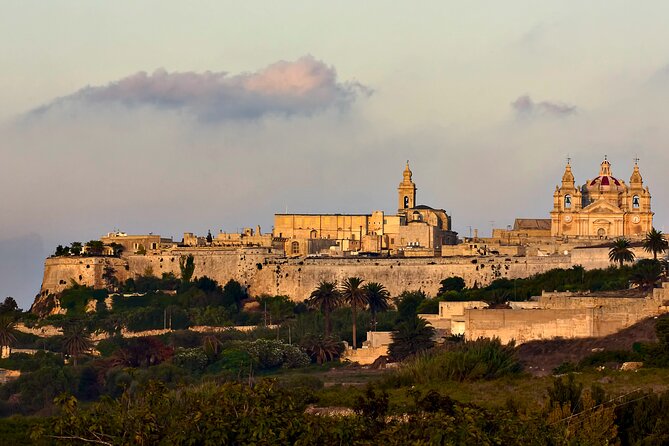
REVIEW · MDINA AND RABAT
Mdina and Rabat – City Walking Tour
Mdina feels like a time machine. This 2-hour walk pairs headphones with a licensed guide, so you can follow the story while wandering Mdina’s lanes and stepping into neighboring Rabat. What I like most is how the tour hits the main sights in Mdina and then smoothly lands you in the Rabat center, with guides such as Nadine or Mary often singled out for great pacing. One thing to consider: the streets can get crowded and busy midday, and some portions can feel stop-and-listen more than full-on strolling.
You start at the Mdina main gate and follow the town’s key palaces, convents, churches, and traditional street patterns. The walk is designed to finish at St Paul’s Square in Rabat, right where it’s easier to regroup and plan your next move.
For value, $24.20 for a 2-hour guided route is a smart deal if you want orientation fast, without paying for every museum or church along the way. Entrance fees are not included, so think of this as history with context, then you decide what to add after.
In This Review
- Key highlights
- Mdina Main Gate start: where the story actually begins
- Mdina streets, palaces, convents, and churches in a single 2-hour loop
- Headphones on narrow lanes: the smartest way to handle Mdina noise
- Mdina timing reality check: busy midday crowds can slow the walk
- The Rabat switch: from Mdina’s sealed-in silence to Rabat’s everyday energy
- St Paul’s Square finish: an ending that helps you keep planning
- Price and logistics: paying for guidance, not museum tickets
- Group size, language, and who you’re actually traveling with
- How the guides make the difference: Nadine, Mary, Ernest, and Vishna
- What to expect at each stage of the walk
- Best match: who should book this Mdina and Rabat walking tour
- Should you book this Mdina and Rabat walking tour?
- FAQ
- How long is the Mdina and Rabat walking tour?
- Where do I meet the guide, and where does the tour end?
- Is the tour guided, and what language is it in?
- Are entrance fees included for museums or churches?
- Is the tour wheelchair friendly and how big is the group?
- Does it use headphones or mobile tickets?
- Can I get a refund if I cancel?
Key highlights
- Headset audio helps you hear your guide clearly on narrow, busy streets
- Mdina’s top sights in one loop starting at the main gate
- Old-quarter Rabat contrast right after Mdina, so the story sticks
- Ends at St Paul’s Square for an easy handoff to buses, taxis, or more exploring
- Small group size up to 20 keeps it manageable
- Wheelchair friendly route with the right pacing
Other routes through Mdina and Rabat
- Mdina: Valletta Waterfront Area, Mdina, and Rabat Night Tour
★ 4.3 · 302 reviews - Malta: Rabat, Mdina, & San Anton Gardens Tour
★ 3.9 · 243 reviews - Valletta, Mdina, and Mosta Night Tour with 5D Show
★ 3.9 · 90 reviews - Mosta, Crafts Village, Mdina & Valletta Full-Day inc Platter
★ 4.0 · 35 reviews
Mdina Main Gate start: where the story actually begins
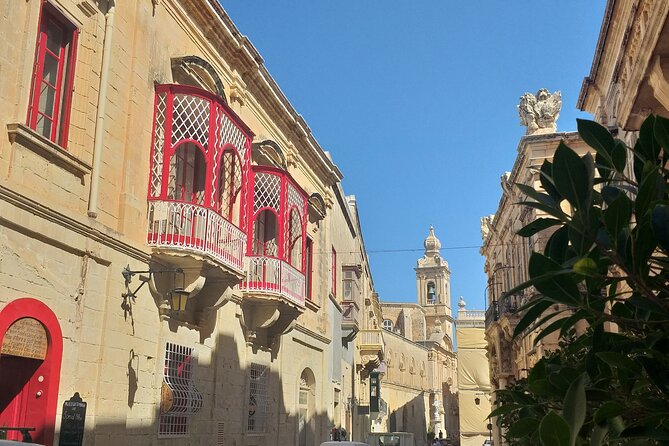
The tour is built around one practical advantage: starting right at Mdina’s main gate, where you can orient yourself before the lanes start closing in. If you arrive on your own, it’s easy to wander past the best viewpoints without realizing what you’re seeing. With a guide leading the way, you get a logical route and the reason behind each stop.
I especially like that the walk is designed to cover the big essentials in the time you have. That matters in Malta, because you might only have a short window for Mdina and Rabat, and both towns can swallow time quickly once you start exploring.
If you’re using public transport, you’ll also appreciate that Mdina and Rabat are connected by Maltese bus routes. The walk ends in Rabat at St Paul’s Square, so you’re not stuck trying to backtrack with limited options.
Mdina streets, palaces, convents, and churches in a single 2-hour loop
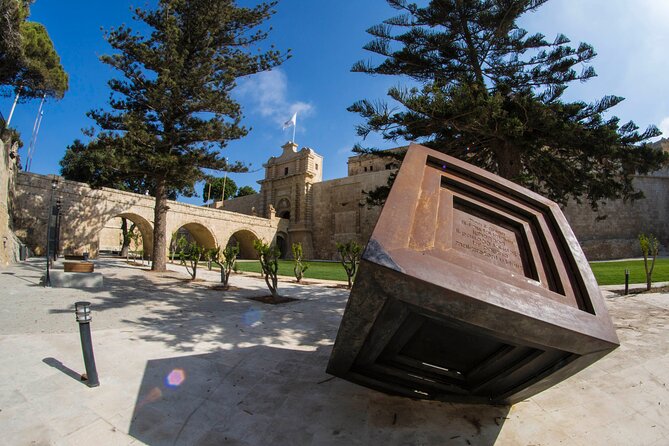
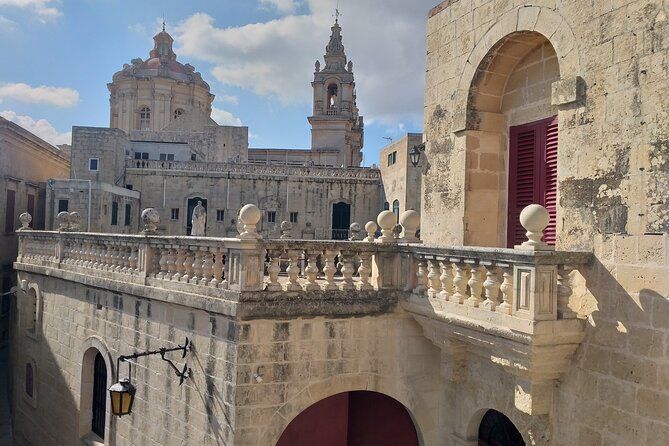
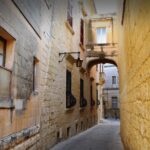
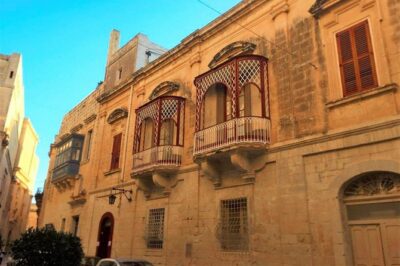
Mdina is the kind of place where details matter. The stonework, doorways, small street turns, and the way buildings sit behind walls all tell you something, but only if someone points it out. This tour is structured to do exactly that, taking you past major palaces, convents, churches, and the classic typical streets that make Mdina feel preserved.
What you get is not just a list of landmarks. You get the “why” behind them: how Mdina’s role shaped what was built, what survived, and what you’re seeing when you stand in front of a façade and look up. Guides named Nadine and Ernest are repeatedly praised for making the city feel alive with stories and architectural notes you’d likely miss on your own.
Also, the pace is built for seeing. You’re walking enough to get the atmosphere, but you’re also stopping regularly to understand what each place represents. If you like history that’s tied to what’s in front of you, that’s a plus.
Headphones on narrow lanes: the smartest way to handle Mdina noise
One detail that pops up in feedback is the use of headphones so you can hear the guide clearly. That sounds small, but it changes the experience a lot in Mdina. The lanes are narrow, the group naturally moves close together, and there’s plenty of street noise from other visitors.
With headphones, you’re less likely to miss the key story bits just because you’re adjusting your position for photos or stepping aside to let others pass. It also helps when the group is bigger than you’d prefer, because you can still focus on the guide instead of playing catch-up.
If you’re the kind of traveler who likes to photograph often, headphones are a real win. You can turn, snap a picture, then refocus on the explanation without losing the thread.
Mdina timing reality check: busy midday crowds can slow the walk
Here’s the tradeoff: Mdina is compact and popular. Even though it can feel quiet in the early hours, midday can bring crowds, and the narrow streets squeeze everyone into the same flow. That means your walking time can feel slower than you expect.
Some people also report that large groups can create waiting moments when the timing stretches. This is not unusual for guided walking tours, because guides have to keep a group together in tight spaces. The good news is that the tour is capped at a maximum of 20, which helps, but you should still treat this as a “watch your pace, watch your step” plan.
My practical tip: plan your photos and your patience. If you care about low-crowd walking, go early in the day when possible.
Other guides worth walking behind

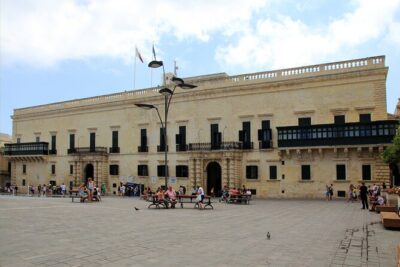

The Rabat switch: from Mdina’s sealed-in silence to Rabat’s everyday energy
The tour does something smart with the route: it puts Rabat right next to Mdina, as if you’re sliding from the old fortified atmosphere into the broader life of the neighboring town. Rabat feels like a contrast in scale and rhythm. You trade the classic “silent city” feeling of Mdina for Rabat’s more active old-quarter character.
You explore Rabat’s old quarter for the traditional Maltese vernacular architecture. It’s a useful addition because it helps you see how the same island story plays out across different neighborhoods. Instead of learning only about Mdina as a preserved showpiece, you also get a sense of Rabat as a place that holds history in everyday surroundings.
If you’ve ever felt like Mdina is too beautiful but too isolated, Rabat helps balance that out. This tour is paced so you still have energy to absorb it without feeling rushed.
St Paul’s Square finish: an ending that helps you keep planning
Most walking tours end somewhere mildly inconvenient. This one ends at St Paul’s Square in Rabat. That matters, because it’s a recognizable central point where you can decide what to do next without staring at a map for too long.
It also gives you a clean “bookend” to your Malta day. You started at Mdina’s main gate, walked the key sights, and then landed in Rabat’s center. That flow makes it easier to combine with other activities in the area.
If you’re trying to minimize taxi or transport juggling, this finishing point helps you do that. One piece of advice from the trip feedback that I’d take seriously: bus links exist, but you’ll still want a quick plan for your return, especially if you’re traveling late afternoon when timing can be unpredictable.
Price and logistics: paying for guidance, not museum tickets
The price is $24.20 per person, and the tour lasts about 2 hours. For that length, you’re paying mainly for a fully licensed guide and a route that tries not to miss what’s worth seeing between Mdina and Rabat.
Entrance fees to museums or churches are not included, so don’t expect this to cover ticketed interiors. Think of the tour as a high-impact orientation. You’ll leave knowing where to return if you want to go inside and spend more time.
Is it worth it? If your Malta itinerary is tight and you want the “what to look for” guidance fast, yes. If you already feel confident navigating Mdina and Rabat on your own, you might be able to do it without a guide. But for most first-timers, this kind of structured walk is a great way to avoid randomly bumping into the best viewpoints.
Group size, language, and who you’re actually traveling with
The tour is offered in English, and it runs with a maximum group size of 20. That’s large enough to meet other travelers, but small enough that the route still feels like a real walk and not a moving crowd.
It’s also wheelchair friendly, which is a major plus for anyone who wants access to both towns without taking on a fully DIY mission. Narrow streets still require care, but having the route designed with accessibility in mind makes a real difference.
Children must be accompanied by an adult. Service animals are allowed too. If you’re traveling with family or have mobility needs, this tour fits better than many “just show up and wander” options.
How the guides make the difference: Nadine, Mary, Ernest, and Vishna
Guides are one of the main reasons people rate this tour so highly. Nadine and Mary are frequently mentioned as handling groups smoothly and keeping the information flowing at the right tempo. Ernest is also praised for being both well informed and charismatic, in a way that makes it easier to remember what you saw.
Vishna and Angele come up in feedback as well, with repeat comments about articulation, warmth, and good pacing. The theme is consistent: you’re not only told what’s there, you’re shown what to notice.
That said, no tour is perfect for everyone. A minority of comments mention that the guidance felt more stop-and-listen than expected, or that a different level of detail would have been better. My take: if you go in knowing this is a guided orientation walk, you’ll be happier with the pacing and the stop frequency.
What to expect at each stage of the walk
You can picture the day as three movements.
First is Mdina itself, starting at the main gate and moving through key palaces, convents, churches, and the typical streets that define the look and feel. This is where you build your mental map and learn the city’s layers.
Second is the switch to Rabat, where the old quarter and vernacular architecture broaden the perspective. You’ll feel the contrast right away, which helps the story stick.
Third is the finish at St Paul’s Square, which lets you continue your day without being stranded at an awkward edge of town. It’s an ending that respects your time.
Best match: who should book this Mdina and Rabat walking tour
I’d point you to this tour if you want a “do it once, learn the system” introduction to Mdina and Rabat. It’s great for first-time visitors who feel overwhelmed by where to start, or for repeat visitors who want a guide’s interpretation of details and architectural evolution.
It’s also a solid choice if your time is limited. Two hours is enough to get oriented, take photos, and leave with a clear sense of what you’ll want to revisit.
If you hate standing still and you only want long walking stretches, you may find the frequent stops a bit much. Likewise, if you dislike crowds, try to aim for earlier times, because the narrow lanes can feel packed.
Should you book this Mdina and Rabat walking tour?
Book it if you want fast orientation, a licensed guide, and a route that takes you from Mdina’s main sights to Rabat’s old-quarter contrast, ending at St Paul’s Square. The headset audio helps a lot, and the combination of guides like Nadine and Mary is a strong signal that the experience is built around story and pacing, not just walking.
Skip it or consider a different option if you prefer to roam without structure, or if you want museum or church entrances included. This tour is about what you can see on the streets and what the buildings mean, then you choose what to go inside next.
FAQ
How long is the Mdina and Rabat walking tour?
The tour is about 2 hours.
Where do I meet the guide, and where does the tour end?
You meet at Mdina Main Gate in Mdina and the tour ends at St Paul’s Square in Rabat, at the Kolleġġjata u Proto-Parroċċa ta’ San Pawl area (Triq Ir-Rebha).
Is the tour guided, and what language is it in?
Yes, it includes a fully licensed guide, and the tour is offered in English.
Are entrance fees included for museums or churches?
No. Entrance fees to museums or churches are not included.
Is the tour wheelchair friendly and how big is the group?
Yes, the walk is wheelchair friendly. The maximum group size is 20 travelers.
Does it use headphones or mobile tickets?
The tour offers a mobile ticket, and headphones are used so you can hear the guide clearly.
Can I get a refund if I cancel?
Yes, you can cancel for a full refund if you cancel at least 24 hours before the start time. If you cancel less than 24 hours before, the amount paid is not refunded.
More Tours in Valletta




More Tour Reviews in Valletta
The Silent City and Rabat


Recently reviewed around Valletta
- Tour of Malta (Private Driver) Including Lunch Platter & Wine in the countryside★ 4.5 · 3 reviews
- Valletta: Express Walk with a Local in 60 minutes★ 4.9 · 4 reviews
- Shore Excursion: Private Full-Day Tour of Valletta & Mdina★ 5.0 · 4 reviews
- Valletta Private Historical and Cultural Walking Tour★ 5.0 · 4 reviews
- Private Tour in Malta Prehistoric Temples & Mdina★ 5.0 · 4 reviews
- Private Tour of the Maltese Island (Private Driver)★ 5.0 · 4 reviews
- Leisure Pass in Malta★ 4.0 · 4 reviews
- Malta tour 3Cities , Marsaxlok ,Blue grotto Hagar qim★ 4.9 · 4 reviews
Mdina and Rabat, compared.
 ★ 4.4Highlights of Malta & Mdina Full Day Tour with LunchFrom $792,688 reviews
 ★ 4.8Mdina and Rabat Walking Tour with CatacombsFrom $291,126 reviews
 ★ 4.3Mdina, Dingli Cliffs and San Anton Botanical GardensFrom $41991 reviews
 ★ 4.8Mdina and Rabat: Guided City Walking TourFrom $24549 reviews
 ★ 5.0Mdina and Rabat Insider’s TourFrom $24528 reviews
 ★ 4.1Valletta: Vintage Bus to Valletta, Sliema, Rabat & MdinaFrom $9433 reviews
 ★ 5.0Mdina and Rabat Tour with Local GuideFrom $24408 reviews
 ★ 5.0Mdina and Rabat Walking Tour inc. Catacombs and St. Paul’s GrottoFrom $30341 reviews
Browse the lists this tour appears in