
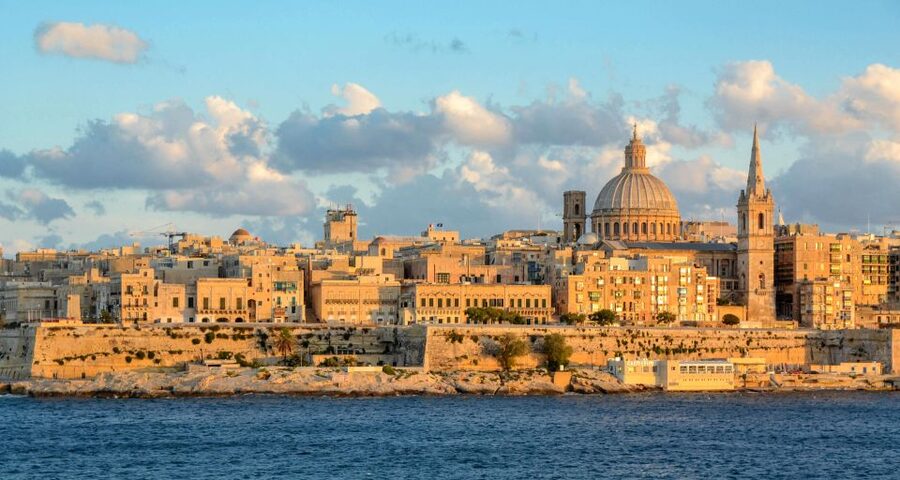
REVIEW · VALLETTA TOURS AND EXPERIENCES
The Taste and History of Valletta
Valletta tastes like a storybook. This 3.5 hour walking food tour ties real local bites to the city’s past, from fortress-era streets to UNESCO standing. I like that it is not just sampling food, it is also short, clear historical context you can connect to what you see.
Two things I especially like: you get frequent stopping points for food so the walk never feels like a slog, and the tastings include both classic everyday staples and proper sit-down traditional plates. One possible drawback to consider is that if you need a guide who talks nonstop during meals, you might find the seated portions a bit more relaxed, depending on who is leading.
In This Review
- Key highlights at a glance
- Valletta food, with history you can actually use
- Meeting point at St John’s Co-Cathedral, then a walk with a plan
- An 180-year café stop for coffee and pastry tradition
- Snack stop for ftira, soft drink, or award-winning beer
- A 1874 building meal featuring traditional Maltese cuisine
- How the history of Valletta shows up in the food
- Chocolates to finish, with a sweet landing near Jean de Vallette
- Price, portions, and why the pacing matters
- Guides and the feel of the group experience
- What to bring, and how to get the most out of it
- Who should book this Valletta food tour
- Should you book this Valletta food tour?
Key highlights at a glance
- St John’s Co-Cathedral area as the starting line, easy for first timers to orient
- Over 180 years of café tradition, paired with coffee and pastries
- Ftira plus a Maltese soft drink or beer, in a true local snackbar setting
- A meal in an 1874 building, focused on typical Maltese dishes
- UNESCO World Heritage stories that connect buildings, food, and city life
- A sweet finish at a Malta-made chocolate shop near the end point
Still in Valletta? Here is what else is on
- The Original Valletta Walking Tour
★ 5.0 · 2,719 reviews - Valletta: 3-Hour Walking Tour
★ 4.7 · 1,605 reviews - Valletta: Guided City Walking Tour
★ 4.8 · 1,256 reviews - Valletta: Street Food and Culture Walking Tour
★ 4.8 · 1,251 reviews
Valletta food, with history you can actually use
Valletta has a way of making everything feel close. Close to the sea. Close to the past. And on this tour, close to the reason behind what you’re eating. You are not just hearing facts as trivia. You are getting small slices of city history that match the food stops, so the flavors make more sense.
I like the balance here. It is clearly a food tour, so you are eating at multiple places, but it never forgets that Valletta is a fortified, planned city where architecture and daily life grew together. You’ll also move at a walking pace that feels designed for digesting, not just checking boxes.
Meeting point at St John’s Co-Cathedral, then a walk with a plan
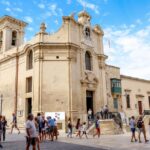
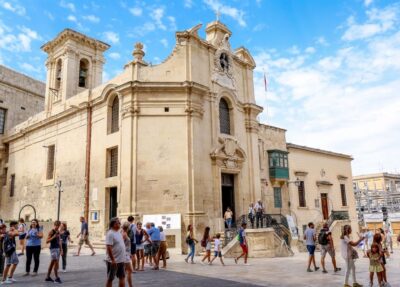
The tour starts near St John’s Co-Cathedral, in the St John’s Square area (Misrah San Gwann). That is a smart choice. Even if you are only in Valletta for a short time, you can get your bearings fast, and you are starting in one of the city’s most recognizable anchors.
The walking portion is described as fair, so bring comfortable shoes. Malta’s stone streets can be a bit stubborn, and you want to stay in the moment, not thinking about your feet. The good news: the tour is paced with stops, so you’re not grinding through the whole afternoon in one go.
The tour ends in Pjazza Jean de Vallette. That gives you an easy landing zone, and it is handy if you want to keep exploring right after the last sweet bite.
An 180-year café stop for coffee and pastry tradition
One of the first stops is a Maltese landmark café with over 180 years of stories. The focus here is simple and classic: traditional coffee and pastries. But what makes this more than a caffeine break is how the guide connects the place to local life.
This is where I think the tour earns its value. Valletta can be visually intense, all stone and angles. A long-running café helps you slow down. You get a taste of what people have been doing for generations, then you hear the background so it feels like culture, not a performance.
It is also a nice warm up. Coffee and pastry early means you are ready for the next stop, where you shift into savory territory.
Snack stop for ftira, soft drink, or award-winning beer
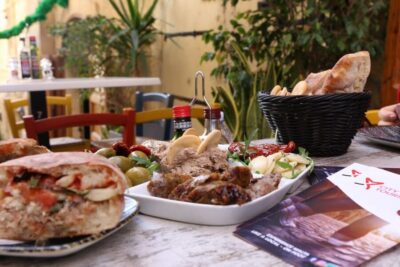
Next comes a local snackbar, where you taste a Maltese ftira and drink a local soft drink or award winning beer, depending on what you choose. This is the kind of stop that helps the tour feel real. You get food that locals treat as normal life, not tourist theater.
Ftira matters here. It is one of those Maltese foods that can look simple on a menu, but it carries a lot of identity. When you eat it in the place where it is typically ordered, you start to understand why it is still around, and why it feels so tied to the city.
Practical note: since this is a snack-style stop, you’ll want to keep your appetite switched on. The portion is generous at these tastings, but this is not a heavy meal yet.
Deeper into the Maltese record
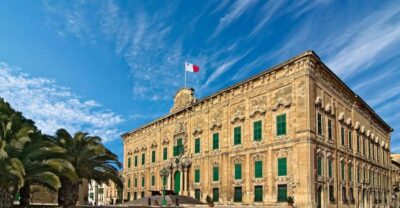
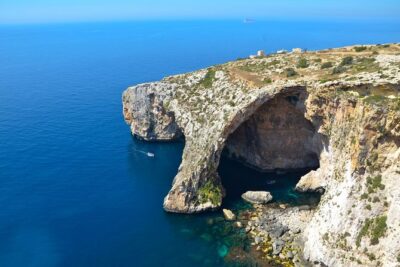
A 1874 building meal featuring traditional Maltese cuisine
The tour then leads you to a 1874 building that now houses a restaurant specializing in typical Maltese traditional cuisine. The setting does some of the storytelling for you. The building itself signals that you are stepping into a place where old Valletta patterns still show up.
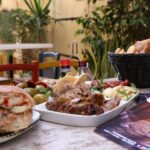
Here is where the tour levels up from tastings to a more satisfying experience. You’ll be served a selection of Maltese dishes, and the meals are paired with Maltese wine. That wine pairing is a big part of why this tour feels more complete than a quick bite-and-go.
You’ll also hear key historical narratives that frame why Valletta developed the way it did. This is where the tour connects the city’s role as a fortress city with the architecture and rhythms of daily life. You start seeing how food culture fits a place designed for defense and control, yet still built for living.
How the history of Valletta shows up in the food
This tour doesn’t treat history like a separate topic. It threads it into what you taste. You’ll learn that Valletta is a UNESCO World Heritage site, and that its story is tied to its planned, fortified nature.
Then the guide links culinary traditions to the city’s evolution over time. The practical takeaway is this: you start to notice that Maltese food has layers. It is influenced by trade, by geography, by community habits, and by what was available and practical.
If you like travel that makes connections, you’ll appreciate this approach. If you just want food and no talking, you might feel there is more explanation than you expected, but it usually stays focused on why a dish or place matters.
Chocolates to finish, with a sweet landing near Jean de Vallette
The final stop is a chocolate shop where you can try exquisite chocolates made in Malta. This is a smart closer. After savory dishes and wine, chocolate is a reset, a last little souvenir you can taste instead of just look at.
Ending near Pjazza Jean de Vallette also makes sense. You are not left walking a long distance after the tour. You finish in a central area, then you can decide how to spend the rest of your time in the city.
If you have a sweet tooth, this stop will likely feel like a reward rather than an afterthought.
Price, portions, and why the pacing matters
At about $118 per person for 3.5 hours, you are paying for three things at once: local guidance, multiple tastings across several locations, and the historical narration that ties it together.
What makes the price feel more reasonable is how the tour is structured for value. You’re not getting one small sample and rushing off. You hit multiple food stops, and the portions are described as generous, with breaks spaced out so you can actually digest.
That pacing detail is more important than it sounds. In food tours that rush, you end up stuffed and still hungry because you’re forcing pace instead of letting the flavors settle. Here, the rhythm is designed so each stop lands, then you move on.
Also, small group size helps. Smaller groups usually mean fewer delays at each stop, and it is easier for the guide to steer questions and keep things moving.
Guides and the feel of the group experience
The tour is led by an English-speaking local guide. Two names come up in the feedback you’re likely to see often: Andrew and Caroline.
Andrew gets credit for pairing good food with historical information about the area. Caroline gets praise for explaining facts in a way that feels engaging, plus a host vibe that helps the walk feel friendly instead of formal.
One consideration is that during seated eating, not every guide may be chatty the whole time. If you are hoping for constant conversation during meals, you may find the energy shifts once you sit down. For me, that is not automatically a downside. It can also mean you get a chance to eat, talk with your group, and take in the space.
What to bring, and how to get the most out of it
This kind of tour rewards preparation. Come with appetite and an open mind, because even familiar foods might be presented in a Maltese way you are not expecting.
Wear comfortable footwear. You’ll be walking enough that sore feet will steal your attention from the tastings. And Malta weather can be unpredictable, so dress in layers so you’re not stuck overheating or freezing.
If you drink beer or wine, pace yourself. You are sampling, not sprinting. The tour gives you multiple tastings in a short window, so drink slowly and save the last big moments for when you’re ready.
Who should book this Valletta food tour
I think this is a strong fit if you are:
- In Valletta for a first visit and want an easy way to connect sights to stories
- A foodie who likes a mix of coffee pastries, ftira, traditional plates, and chocolate
- Someone who enjoys walking tours that include frequent breaks
- Traveling with limited time and you want a concentrated experience in 3.5 hours
It may be less ideal if you:
- Hate walking and prefer to stay fully seated
- Don’t drink beer or wine and want the experience to be only non-alcohol based (the tour includes wine pairings and beer option, so you should plan accordingly)
Should you book this Valletta food tour?
Book it if you want a Valletta experience that is more than just photos and monuments. The big win is the way food stops connect to city history: café tradition, ftira at a local snackbar, a meal in a 1874 setting, and a sweet ending made in Malta.
Skip it only if your ideal day is food with zero explanation, or if you can’t handle a fair amount of walking. Otherwise, this is good value for a half-day plan, especially when you want both taste and context in the same route.
The Long Maltese Story


More Tour Reviews in Valletta


Valletta, Keep Going

Recently reviewed around Valletta
- Tour of Malta (Private Driver) Including Lunch Platter & Wine in the countryside★ 4.5 · 3 reviews
- Valletta: Express Walk with a Local in 60 minutes★ 4.9 · 4 reviews
- Shore Excursion: Private Full-Day Tour of Valletta & Mdina★ 5.0 · 4 reviews
- Valletta Private Historical and Cultural Walking Tour★ 5.0 · 4 reviews
- Private Tour in Malta Prehistoric Temples & Mdina★ 5.0 · 4 reviews
- Private Tour of the Maltese Island (Private Driver)★ 5.0 · 4 reviews
- Leisure Pass in Malta★ 4.0 · 4 reviews
- Malta tour 3Cities , Marsaxlok ,Blue grotto Hagar qim★ 4.9 · 4 reviews
Valletta Tours and Experiences, compared.
 ★ 5.0The Original Valletta Walking TourFrom $262,719 reviews
 ★ 4.7Valletta: 3-Hour Walking TourFrom $251,605 reviews
 ★ 4.8Valletta: Guided City Walking TourFrom $241,256 reviews
 ★ 4.8Valletta: Street Food and Culture Walking TourFrom $651,251 reviews
 ★ 4.9Valletta: City Walking Tour in a Small GroupFrom $24957 reviews
 ★ 4.3From Sliema: Valletta and the Three Cities Scenic CruiseFrom $24763 reviews
 ★ 4.3Valletta: Guided Walking Tour with Optional Cathedral TourFrom $46758 reviews
 ★ 5.0Valletta Food TourFrom $60711 reviews
Browse the lists this tour appears in