
REVIEW · HISTORICAL TOURS
Heritage Pass in Malta
A good plan beats a lucky plan. In just three days in Valletta, this pass strings together major forts, temples, museums, and catacombs. If you want to get your bearings fast and still see Malta’s biggest stars, it’s built for that kind of trip.
What I like most is the sheer mix of sites, from Fort Saint Elmo in Valletta to St Paul’s Catacombs. I also love that you get “move the day along” options with unlimited hop-on hop-off bus time plus both harbor cruises, and the boats include free Wi-Fi. One thing to consider is that access can depend on opening times shown on your QR code, and some high-profile venues (like the State Rooms) can close at short notice.
In This Review
- Key highlights if you want Malta in a hurry
- How this Malta Heritage Pass saves you time (and headaches)
- Valletta at your pace: buses plus two Wi-Fi harbor cruises
- Your first Valletta hits: Fort St Elmo, MUŻA, and the Order of St John
- Fort Saint Elmo (Forti Sant’Iermu)
- MUŻA (Malta National Community Art Museum)
- State Rooms (Presidential Palace)
- Palace Armoury
- Birgu and the Grand Harbour story: Fort St Angelo and Maritime Museum
- Fort Saint Angelo (Forti Sant’Anġlu)
- Malta Maritime Museum
- Domvs Romana
- Mdina’s Natural History Museum: the Malta you don’t see on postcards
- National Museum of Natural History (Mużew Nazzjonali tal-Istorja Naturali)
- Neolithic temple route: Ħaġar Qim, Mnajdra, Ta’ Ħaġrat, Skorba, and Tarxien
- Ħaġar Qim and Mnajdra
- Ta’ Ħaġrat (Mġarr)
- Skorba Temples (Żebbiegħ)
- Hal Tarxien Temples
- Caves and underground Malta: Għar Dalam and St Paul’s Catacombs
- Għar Dalam Cave and Museum
- St Paul’s Catacombs
- Other prehistoric sites that keep your route interesting
- Borġ in-Nadur Prehistoric Complex
- Keeping your plan realistic
- Price and value: when the pass pays off
- Should you book the Malta Heritage Pass?
- FAQ
- Where is the Heritage Pass experience located?
- How long does the pass cover?
- What attractions and sites does the pass include?
- Does the pass include transportation, or is it only entry tickets?
- Is Wi-Fi available on the cruises?
- What are the opening hours for the included sites?
- Do I need to scan anything to use the pass?
- Can any of the sites close unexpectedly?
- What if my plans are affected by poor weather?
- Is it easy to get to the starting point area?
Key highlights if you want Malta in a hurry
- 20+ heritage sites across Valletta, Birgu, Mdina, and Malta’s temple coast
- Unlimited hop-on hop-off buses plus a harbor cruise of Valletta and the Three Cities
- Free Wi-Fi onboard on the cruises, handy for maps and planning
- Coastal route access to Comino and Gozo (so you can add island time without extra ticket juggling)
- Mostly 1-hour site visits that fit neatly into a day of moving around
- Scan the QR code for opening times, since closures can happen
Deeper into the Maltese record
- Valletta: Self-Guided Historical Walking Tour (Audio Guide)
★ 3.7 · 251 reviews - Hagar Qim temple (UNESCO) and Limestone Heritage guided tour
★ 3.5 · 11 reviews - Hagar Qim temple (UNESCO), Limestone Heritage & Marsaxlokk Market guided tour
★ 4.0 · 10 reviews - The Taste and History of Valletta
★ 4.9 · 8 reviews
How this Malta Heritage Pass saves you time (and headaches)
This pass is essentially a “collector’s strategy” for Malta. Instead of choosing one museum and hoping you fill the rest of the day, you can bounce between major landmarks and still feel like you’re doing a single, coherent trip.
The value idea is simple. Many of Malta’s best-known sights are spread out, and some are the kind of places where you do not want to waste half your morning in lines. This pass is designed to help you avoid that ticket-line friction, while also giving you flexible transport time through the hop-on hop-off bus.
The other big value is mental. Malta can feel like a patchwork of fortifications, limestone temples, and underground Christian sites. Having a single ticket covering a wide range helps you connect the dots, so you’re not just collecting stamps. You’re building a story as you go, from the Great Siege era through Roman and early Christian Malta to the island’s Neolithic roots.
That said, you should be honest about what “worth it” means here. You only win big if you actually use the pass enough times to cover your planned days. If your style is slow and you only want a few top sights, pay-as-you-go can sometimes beat buying a pass.
Also, confirm the exact validity window printed on your ticket materials. The operator messaging I’ve seen points out that the pass may be valid over more than three days depending on the voucher format. Don’t assume, check what your QR and dates say.
Valletta at your pace: buses plus two Wi-Fi harbor cruises
A core part of this pass is getting around without “planning every move.” You have unlimited hop-on hop-off access, which is ideal for Valletta’s steep streets and short visits. You can hop off for a fort, hop back on to reposition, and not feel like you’ve wasted money if you decide you want more time somewhere else.
The harbor cruise is another smart add-on. You get a Valletta harbor cruise plus the Three Cities cruise. And yes, the boats include free Wi-Fi onboard. That matters more than you’d think: when you’re bouncing between multiple stops, your phone turns into your live map, your backup ticket wallet, and your schedule checker.
Practical advice: Valletta’s waterfront and bus stops can be a little confusing if you’re hopping around without a plan. If you get on and off at different points than expected, you can end up waiting. I’d take a moment at each stop to look at the stop name and route direction before you commit, and I’d screenshot the route map when you arrive.
Your first Valletta hits: Fort St Elmo, MUŻA, and the Order of St John
Day one is where this pass can feel like magic, because you’re right in the thick of Valletta’s story.
Fort Saint Elmo (Forti Sant’Iermu)
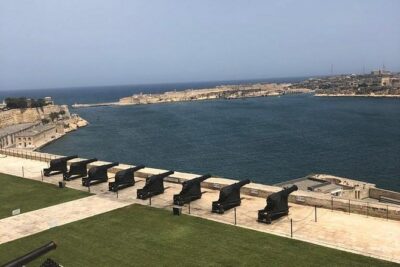
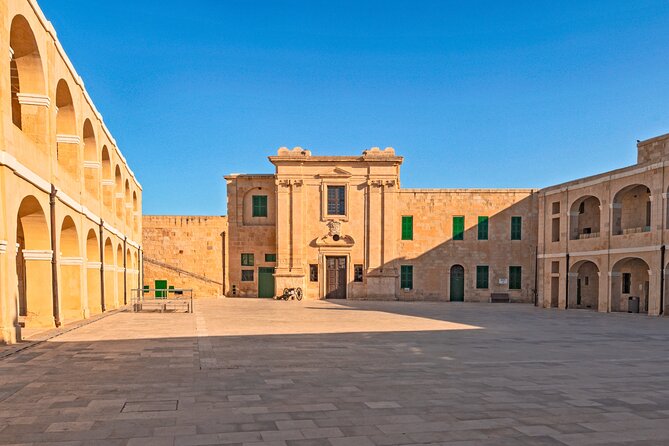
Fort Saint Elmo is a star fort on the seaward shore of the Sciberras Peninsula, guarding the entrances to both harbors. It’s best known for its role in the Great Siege of Malta in 1565.
What makes it worth your time is the location and the context. You’re standing where sea power and defense design had to work. If you like military history, you’ll see why Valletta is built like a fortress city, not just a pretty stop.

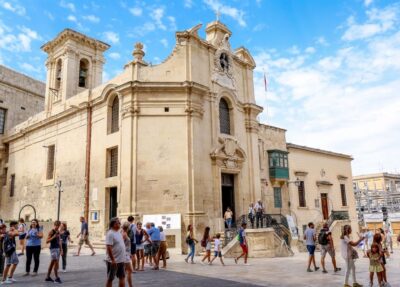

MUŻA (Malta National Community Art Museum)
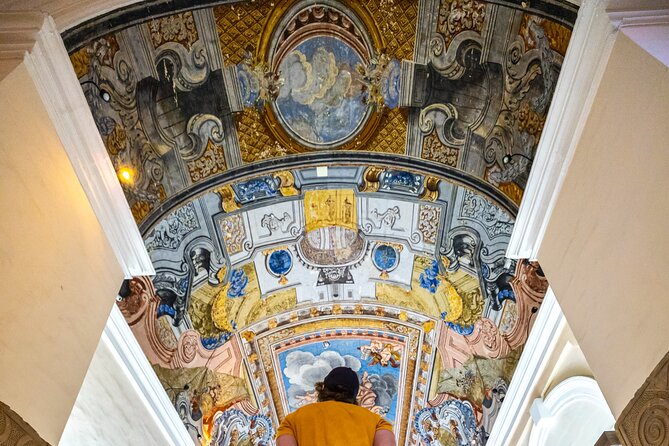
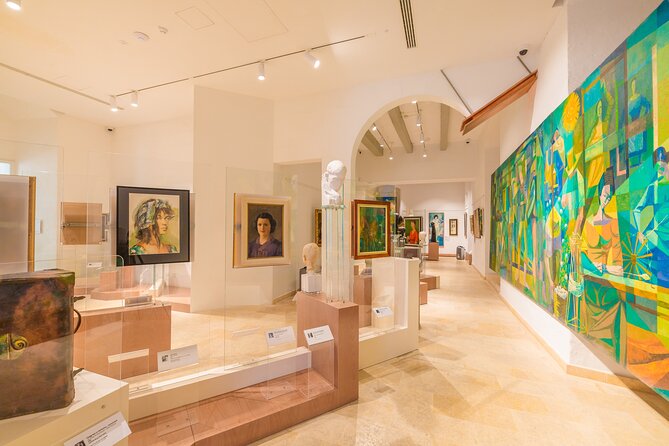
MUŻA is in Auberge d’Italia. It focuses on art by Maltese and foreign artists and is tied to the island’s fine-arts museum story. It was previously known as the National Museum of Fine Arts and closed in 2016, then the national fine arts collection moved in 2018.
If you’re the kind of traveler who gets tired of “just temples and tunnels,” MUŻA breaks the pace. It’s also an easy win because it fits a clean 1-hour slot.
State Rooms (Presidential Palace)
The Presidential Palace’s State Rooms are the showpiece rooms in Valletta’s World Heritage core. The building started as part of the new city founded after the Great Siege, later serving the British Governor and Malta’s early constitutional parliament.
Small caution: this site can occasionally close at short notice by order of the President. So plan for Plan B. If you arrive and it’s closed, you’ll want another Valletta stop ready that’s covered by your pass.
Palace Armoury
This is the opulence side of Malta’s defense story. The Palace Armoury showcases the Order of St John’s armor and weapons, including pieces associated with Grand Masters Alof de Wignacourt and Jean de Valette, plus Ottoman armor and artillery pieces.
I like how the collection connects religion, politics, and warfare without needing a long introduction. It’s a visual history lesson.
Birgu and the Grand Harbour story: Fort St Angelo and Maritime Museum
Birgu is where Valletta’s story expands from “on the walls” to “in the harbor life.” With your pass, you can fold in multiple stops that connect.
Fort Saint Angelo (Forti Sant’Anġlu)
Fort Saint Angelo is a bastioned fort in the center of the Grand Harbour in Birgu. It began as a medieval castle called Castrum Maris, then was rebuilt by the Order of Saint John in the 1500s.
This is a strong pairing with Fort Saint Elmo. Together, they make the harbor defense system feel real, not abstract.
Malta Maritime Museum
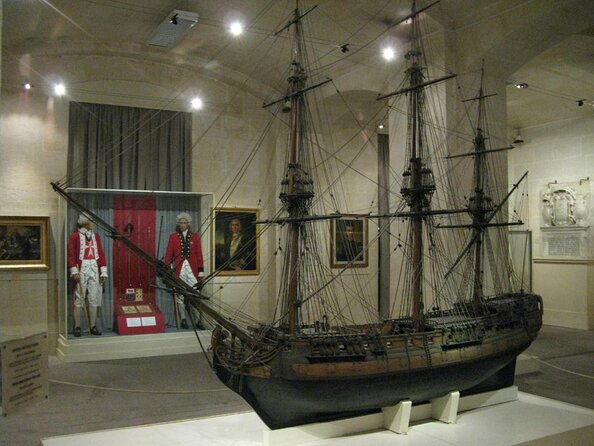
This museum is in the former Royal Naval Bakery, built in the 1840s for the Mediterranean Fleet. The collection has over 20,000 artifacts and covers maritime history from prehistory to the present.
If you’re into ships, ports, trade, and how Malta stayed connected to the rest of the world, this museum can go deeper than you expected. It’s also one of those places where 1 hour feels right, because you can focus on the sections that catch your eye.
Domvs Romana
Domvs Romana shows the private life of a Roman aristocrat through surviving mosaics and artefacts. You don’t need to be a Roman-history expert to enjoy it. The point is human scale: a house, not just ruins.
Mdina’s Natural History Museum: the Malta you don’t see on postcards
Mdina is already special for its walls and views, and the Natural History Museum gives you a different angle on what makes Malta Malta.
National Museum of Natural History (Mużew Nazzjonali tal-Istorja Naturali)
This museum sits in Palazzo Vilhena and is run by Heritage Malta. Inside, you get Malta’s ecosystems, both on land and under water, with a focus on endemic plants and birds such as the Maltese Centaury and Blue Rock Thrush.
It’s also the kind of museum where variety helps. You’ll see minerals, fossils, insects, reptiles, birds, mammals, fish, plus geology and palaeontology sections. If your brain likes patterns, you’ll enjoy the way the island’s small size still produces distinct life.
Neolithic temple route: Ħaġar Qim, Mnajdra, Ta’ Ħaġrat, Skorba, and Tarxien
This is the part of Malta that can stop you cold, in a good way. These sites are among the world’s oldest religious places, and they’re UNESCO-recognized.
A useful thing to know as you plan: Malta’s megalithic builders used globigerina limestone, a soft rock that you’ll see built into temple surfaces. When you understand that, the sites feel more handmade and less magical.
Ħaġar Qim and Mnajdra
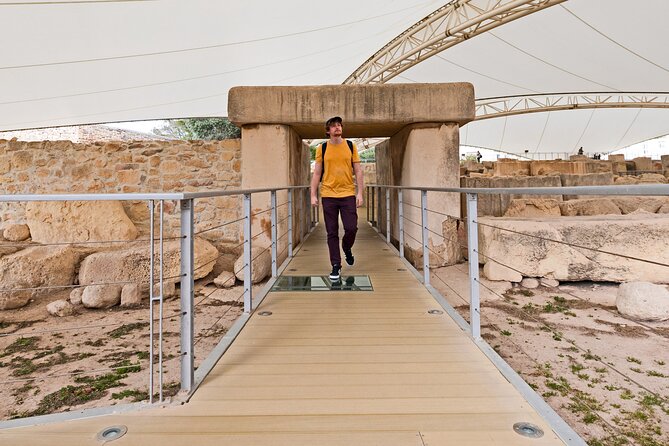
Ħaġar Qim sits on the southern edge of Malta. Mnajdra is about 497 meters from Ħaġar Qim and was built around the fourth millennium BCE. Work on a protective tent was completed in 2009, which means parts of your visit may feel more protected from the elements than open-air archaeology.
Pairing these two is a smart use of your time. You get a sense of how similar stones and layouts can still create different moods and angles.
Ta’ Ħaġrat (Mġarr)
Ta’ Ħaġrat is a UNESCO World Heritage Site and is among the oldest religious sites in the world. The larger temple is dated to the Ġgantija phase (3600 to 3200 BCE) and the smaller to the Saflieni phase (3300 to 3000 BCE).
If you like ancient chronology, this place gives you dates you can actually anchor to. Also, it’s a great contrast to the big southern coast sites.
Skorba Temples (Żebbiegħ)
Skorba is on the northern edge of Żebbiegħ. The site gave detailed insight into Malta’s earliest Neolithic culture, and it was excavated in the early 1960s, later than some other megalithic sites.
That “excavation history” angle matters for the visitor. You’re seeing a site that was studied in modern times, so the interpretation you get can feel more organized.
Hal Tarxien Temples
The Tarxien Temples consist of three attached temple structures. The main entrance is a reconstruction from 1956, and many of the decorated slabs were relocated indoors for protection at the Museum of Archaeology in Valletta.
So if you want the best view of the decorations, you’ll likely need to accept that some pieces are protected indoors. Still, the temple layout itself is what brings the history to life.
Caves and underground Malta: Għar Dalam and St Paul’s Catacombs
If temples are Malta’s “above ground” deep time, caves and catacombs are Malta’s “inside the earth” deep time.
Għar Dalam Cave and Museum
Għar Dalam is a phreatic tube about 144 meters long near Birżebbuġa. It contains bone remains tied to animals that became extinct in Malta at the end of the Last Glacial Maximum. It also lends its name to the Għar Dalam phase in Maltese prehistory.
This one is for people who like natural history plus archaeology. It’s not just “wow, a cave.” It’s a time capsule shaped by climate change.
St Paul’s Catacombs
St Paul’s Catacombs are major early Christian archaeology. The galleries and tombs date from the third to the eighth centuries CE. There are over 30 hypogea across the whole St Paul’s and St Agatha’s complex, and over 20 are open to the public.
This is one of the most moving parts of Malta in this pass. It feels less like sightseeing and more like stepping into a story of faith, community, and the practical need for burial space.
Other prehistoric sites that keep your route interesting
You can also add two more offbeat-but-fascinating stops.
Borġ in-Nadur Prehistoric Complex
Borġ in-Nadur is an archaeological site overlooking St George’s Bay near Birżebbuġa. It includes a Tarxien phase megalithic temple and the remains of a Bronze Age village, including what’s described as the earliest fortification in Malta.
The surrounding context also helps: the site is near Bronze Age cart ruts and silos and also near later Roman and even later military structures.
Keeping your plan realistic
With so many stops, your biggest enemy is not distance. It’s packing everything in with no buffer. Since most sites are structured around roughly 1-hour visits, it’s tempting to schedule nonstop. I’d instead cluster them by area so you’re not crossing the island too often.
A practical approach is to aim for:
- One full Valletta cluster on Day 1 (Fort Saint Elmo, MUŻA, State Rooms if open, Palace Armoury).
- One harbor and Mdina/underground cluster on Day 2 (Fort Saint Angelo, Maritime Museum, Domvs Romana, Natural History Museum, St Paul’s Catacombs).
- One southern and prehistoric cluster on Day 3 (Ħaġar Qim, Mnajdra, Ta’ Ħaġrat, Hal Tarxien), with an island add-on if you want Comino and Gozo via the coastal route.
If you use Comino and Gozo, you’ll probably want to cut one temple stop to keep the last day from turning into a sprint.
Price and value: when the pass pays off
At $92.69 per person, the pass only feels like a bargain if you actually use it like a pass. The best-case scenario is you hit enough of the covered sites, plus the hop-on hop-off bus and the cruises, across your multi-day window.
Here’s the value math I use while traveling:
- If your plan includes several big-ticket kinds of sights (forts, temples, catacombs, major museums), the pass becomes efficient fast.
- If you only want two or three of the included sites, you may be better off paying entry fees as you go, since the operator also covers many places with relatively low entry costs.
Also pay attention to the “20 sites” promise. The idea is that you can realistically fit in a lot of places because many visits run about an hour. But you still need time to travel, use restrooms, and deal with the real world.
The other critical value piece is timing. Because sites can be closed at short notice, and some opening times depend on what your QR code shows, you should scan the QR code and check opening hours before you commit to a location. That tiny step can save you from arriving at a locked door and losing your momentum.
Should you book the Malta Heritage Pass?
Book it if you want a tight, well-rounded Malta plan with minimal ticket-line stress and easy transport flexibility. It’s especially good if you like the “mix” approach, forts plus temples plus underground archaeology, all in one ticket.
Skip it or go lighter if your style is slow, you want only a few standout sites, or you’re the type who hates changing plans based on opening times. In that case, pay-as-you-go might fit you better.
If you do book, my best advice is simple: use the pass like it’s meant to be used. Cluster stops by area, scan your QR for opening times, and build a little slack so one closure does not derail the whole day.
FAQ
Where is the Heritage Pass experience located?
The experience is based in Valletta, Malta.
How long does the pass cover?
It’s listed as about 3 days.
What attractions and sites does the pass include?
The pass includes access to over 20 attractions, such as Fort St Elmo, the Hagar Qim Temples, St Paul’s Catacombs, plus other included heritage sites like Fort St Angelo, Malta Maritime Museum, and multiple temple complexes and museums.
Does the pass include transportation, or is it only entry tickets?
It includes unlimited use on the hop-on hop-off bus, a harbor cruise of Valletta and the Three Cities, and a coastal pass route to Comino and Gozo.
Is Wi-Fi available on the cruises?
Yes. Both cruises offer free Wi-Fi onboard.
What are the opening hours for the included sites?
The listed opening hours are Monday through Sunday, 8:00 AM to 6:00 PM.
Do I need to scan anything to use the pass?
Yes. You need to scan the QR code for the opening times of each place.
Can any of the sites close unexpectedly?
Yes. The State Rooms (Presidential Palace) can occasionally be closed at short notice by order of the President.
What if my plans are affected by poor weather?
The experience requires good weather. If it’s canceled due to poor weather, you’ll be offered a different date or a full refund.
Is it easy to get to the starting point area?
It is noted as near public transportation, and most people can participate.
The Long Maltese Story




More Tour Reviews in Valletta



Recently reviewed around Valletta
- Tour of Malta (Private Driver) Including Lunch Platter & Wine in the countryside★ 4.5 · 3 reviews
- Valletta: Express Walk with a Local in 60 minutes★ 4.9 · 4 reviews
- Shore Excursion: Private Full-Day Tour of Valletta & Mdina★ 5.0 · 4 reviews
- Valletta Private Historical and Cultural Walking Tour★ 5.0 · 4 reviews
- Private Tour in Malta Prehistoric Temples & Mdina★ 5.0 · 4 reviews
- Private Tour of the Maltese Island (Private Driver)★ 5.0 · 4 reviews
- Leisure Pass in Malta★ 4.0 · 4 reviews
- Malta tour 3Cities , Marsaxlok ,Blue grotto Hagar qim★ 4.9 · 4 reviews
Historical Tours, compared.
 ★ 4.2Prehistoric Temples, Limestone Heritage & Blue GrottoFrom $41412 reviews
 ★ 4.0Maltese Islands History Audio-Visual Show and La Sacra Infermeria TourFrom $24344 reviews
 ★ 3.7Valletta: Self-Guided Historical Walking Tour (Audio Guide)From $8251 reviews
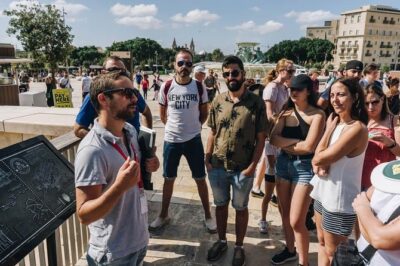 ★ 4.5Wonderful Valletta, gastronomy, art, and history in the MediterraneanFrom $5472 reviews
 ★ 5.0The Dark History of Valletta – Walking TourFrom $2450 reviews
 ★ 4.5The Food & History Private Tour of MaltaFrom $16744 reviews
 ★ 4.5Mdina: Private Historical City Walking Tour with Rabat TownFrom $17741 reviews
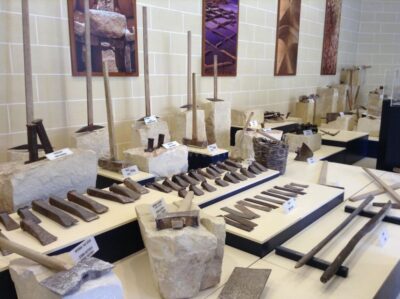 ★ 4.7The Limestone Heritage Park and Gardens (Entry Ticket)From $1127 reviews
Browse the lists this tour appears in