
REVIEW · VALLETTA TOURS AND EXPERIENCES
Wonderful Valletta, gastronomy, art, and history in the Mediterranean
Valletta hits fast, like good espresso. This 2-hour walking tour packs Mediterranean history and city stories into a tight loop you can actually picture after you leave. I like that it mixes big-name eras with street-level detail, from the Knights’ stronghold feel to the modern-day corners you’d wander anyway.
My second favorite part is the Maltese food angle, including time for classic bites like pastizzi plus practical tips for pizza and a drink stop. The one possible drawback to plan for is that not every guide will keep the balance exactly the way you want, especially if you’re expecting a history-only lecture with zero detours into present-day topics.
In This Review
- Key highlights
- From Victoria Gate to St John’s Co-Cathedral, you walk the real spine of Valletta
- The Mediterranean power struggle story, told where it actually happened
- Caravaggio’s escape story and the art trail you can still follow on foot
- European Capital of Culture 2018, seen through Valletta’s identity
- Maltese gastronomy in a short walk: pastizzi, pizza pointers, and a drink stop
- Guides make or break the balance: Luis, Moises, and Julia
- Price and value for a 2-hour Valletta walk
- Who this tour suits best, and who should adjust expectations
- Should you book this Valletta walking tour?
- FAQ
- What is the duration of the Valletta tour?
- What does the tour cost?
- What language is the tour offered in?
- Where do I meet and where does the tour end?
- How big is the group?
- Is a mobile ticket provided?
- Is confirmation sent after booking?
- Are service animals allowed?
- Is the tour weather dependent?
- Can most travelers participate?
- Cancellation: can I cancel and get a refund?
Key highlights
- Small group size (up to 10): easier questions, better flow through narrow streets
- Start at Victoria Gate, end at St John’s Co-Cathedral: a satisfying route through the old core
- Caravaggio alley stories: art history tied to places you can point at
- Culture 2018 angle: you’ll connect Valletta’s identity to what was happening in 2018
- Food and drink focus: pastizzi plus guidance for where to eat and where to unwind
Still in Valletta? Here is what else is on
- Valletta: Guided Walking Tour with Optional Cathedral Tour
★ 4.3 · 758 reviews - The Valletta Street Food and Culture Walking Tour
★ 5.0 · 711 reviews - Valletta: Vintage Bus to Valletta, Sliema, Rabat & Mdina
★ 4.1 · 433 reviews - Valletta Segway Tour and The Malta Experience
★ 5.0 · 397 reviews
From Victoria Gate to St John’s Co-Cathedral, you walk the real spine of Valletta
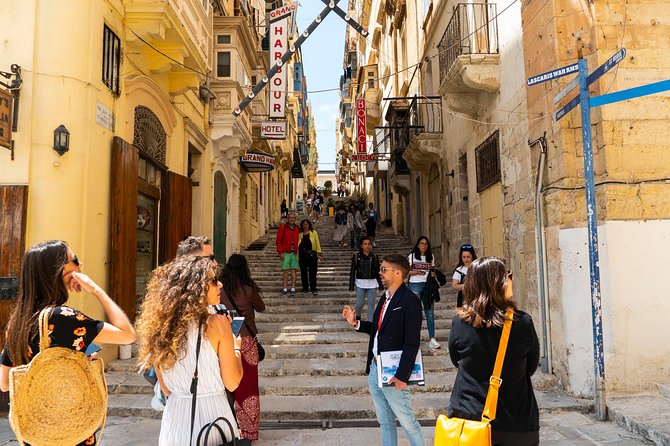
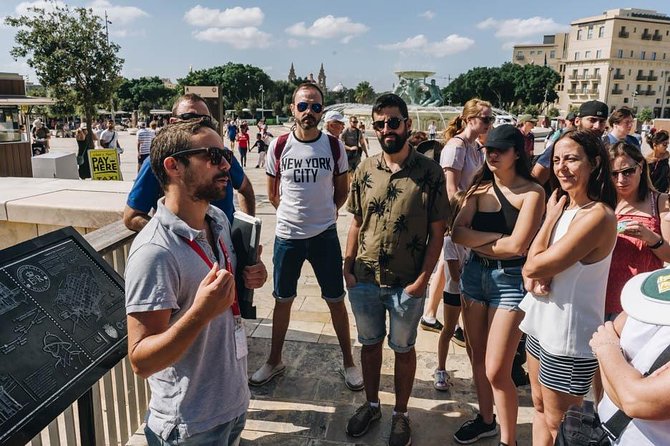
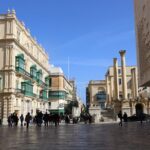
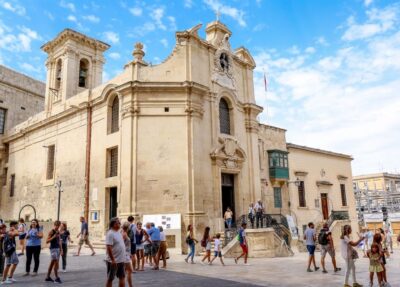
I love tours that help you orient in the first hour. This one starts at Victoria Gate, the kind of place where Valletta’s walls and stairs make instant sense. From there, the route naturally pulls you into the city’s tight grid of alleys, viewpoints, and stone facades, so you’re not just collecting landmarks. You’re learning how the city is laid out and why people always built so close together here.
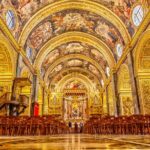
The walk finishes at St John’s Co-Cathedral, which is a smart end point. It gives you a clear visual “bookmark” so you can remember where the tour’s story lands, especially if you want to continue on your own afterward. In a compact city, having a strong endpoint matters, because you’ll likely come back to that area again.
Group size is capped at 10 people, so the guide can slow down where needed. That matters on an old-city route, where one wrong turn can feel like a mistake you’ll keep paying for with extra stairs.
The Mediterranean power struggle story, told where it actually happened
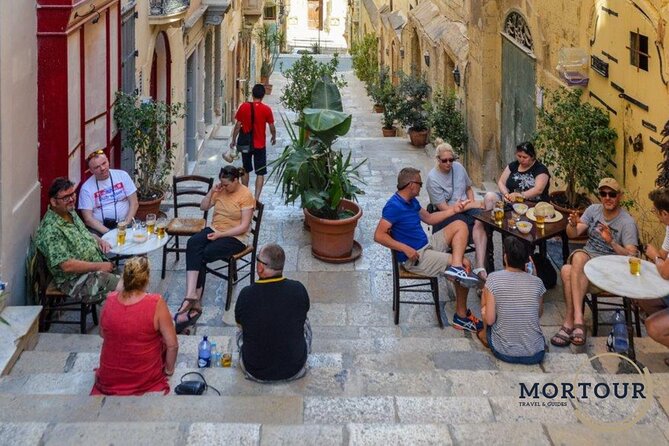
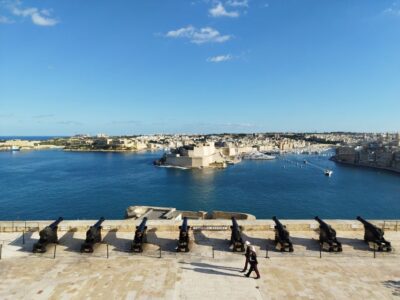
Valletta is small, with a population that does not exceed 6,000, yet it sits at a crossroads that has attracted empires for centuries. The tour leans into that idea hard, tracing how Valletta became a coveted prize across Mediterranean history. You’ll hear the sweep of influences, from the Ottoman Empire to the Knights, Napoleon, the British period, and later World War II era references.
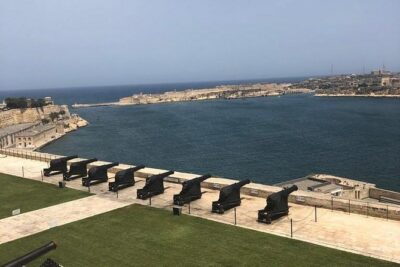
What I like about this approach is that it keeps the story grounded in the city’s layout and architecture. Even when the narration is fast, you can still see how fortifications, urban density, and strategic placement fit the themes being discussed. You also get a sense of how Valletta’s identity kept getting layered, rather than replaced.
One more practical benefit: if you’ve only seen a few photos, this kind of framing helps you read the buildings better. You start noticing why certain areas feel more defensive, why others feel more civic, and why “capital city” here means something different from larger, flatter capitals.
The possible catch is pacing. If you’re the type who wants strict dates and named rulers every minute, just know the tone may vary by guide. One guide can keep things centered on history, while another might spend extra time on day-to-day Malta topics.
Caravaggio’s escape story and the art trail you can still follow on foot
Valletta is one of those cities where art stories aren’t separate from the streets. This tour includes the tale of Caravaggio and the alleys where he escaped from justice, plus discussion of historical buildings from the beginning of the 16th century. Even if you already know Caravaggio’s name, hearing it tied to specific street energy helps it stick.
Here’s how I’d use this moment if I were traveling with you. Before you leave, take 10 seconds to pick one or two “art anchors” from the tour. For me, it would be the Caravaggio alley story and whatever 16th-century building detail the guide points out. Then later, when you’re wandering alone, you’ll be able to reconnect those dots without needing a guide at your elbow.
Also, don’t expect museums. You’re mostly outside, looking at architecture and hearing how the city relates to the art. That makes it a good match for travelers who like atmosphere and location-based storytelling more than indoor lectures.
One consideration: there can be a difference between documented history and legends repeated as facts. If you care a lot about what is verified versus what is folklore, I’d suggest telling your guide early in the tour. It’s an easy way to steer the conversation toward the version you want.
European Capital of Culture 2018, seen through Valletta’s identity
Valletta earned the European Capital of Culture title in 2018, and the tour uses that as a lens, not just a trivia fact. The point is to connect why this city keeps reinventing its public face while still looking like an older fortress-world. You’ll hear how this emblematic nucleus became part of the modern European story, and how that shows up in the way people talk about the city now.
I find this helpful because it gives you a timeline that doesn’t feel only like “then, then, then.” It adds a bridge from the Mediterranean past to what Valletta is doing in the present. When you later see cultural events or posters, you’ll understand what they’re responding to.
If you like to travel with a sense of purpose, this angle is a good fit. Instead of only standing in front of buildings, you get a framework for why the city protects its character while still moving forward.
Deeper into the Maltese record
Maltese gastronomy in a short walk: pastizzi, pizza pointers, and a drink stop
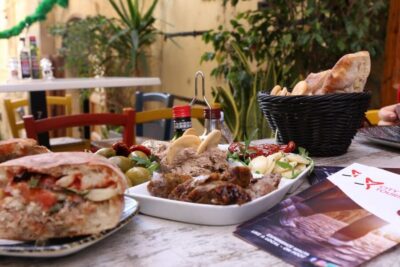
Food is the other half of why Valletta works. This tour doesn’t pretend you’ll solve Malta’s entire culinary scene in 2 hours, but it does build in time for pastizzi, plus guidance for where to eat pizza with friends and where to grab a cocktail, including a link to jazz culture during the dolce vita era.
Here’s what I think makes the food part valuable, even when it feels brief. The guide doesn’t just name dishes. You get practical direction for where locals tend to go after the sightseeing hour ends. That’s the real win for me. Malta is one of those places where you can find a tourist menu, but you’ll usually do better if someone points you toward the spots that match your mood.
If your top priority is “I want a proper tasting menu,” keep your expectations aligned with the format. This is a walking tour with food moments, not a full gastronomic tour. If you’re food-first, bring hunger and ask at the start what you can expect to taste. Then you can plan to keep eating afterward on your own.
Also, because the description connects Malta’s British past influence with Italian food influence, you’ll pick up on why the menu feels familiar in some ways. Think comfort food patterns, plus snack culture that travels well with short visits.
Guides make or break the balance: Luis, Moises, and Julia

This tour’s quality seems to hinge on the guide’s style, and the names coming up show a spread in tone. Luis is praised for being friendly, chatty, and very knowledgeable, plus for making sure you get the most out of the full 2-hour window and sharing recommendations right after. Moises gets credit for warm energy, local perspective, and strong city storytelling that moves beyond the obvious highlights. Julia is noted for being professional and attentive, with customer service that made people feel comfortable right away.
That’s the best-case scenario: you leave feeling like you can navigate Valletta like a person who lives there. Several comments emphasize that the guide helped them find not only the must-see spots, but also what to do next for food and drinks.
Now, the other side of the coin: one experience felt skewed toward current Malta politics, and another person felt the gastronomy portion was too light. A good travel move here is to communicate your preferences early. If you want history facts and street art stories, say that. If you’re hoping for more food than talk, say that too. A small group makes those adjustments easier.
In short: pick this tour for energy and direction. Just don’t assume every guide will match your personal balance of history versus conversation.
Price and value for a 2-hour Valletta walk
At $54.31 per person for about 2 hours, you’re paying for three things: a guided route through compact old streets, history context that helps you interpret what you see, and at least one food moment. In a city like Valletta, where the attractions are close but the details matter, a local guide can save you time and confusion.
Two practical value points:
- Up to 10 people means less waiting and more chance to ask a question that changes where you go next.
- English-speaking format helps if you want to understand the nuance, not just follow directions.
One more detail I like for planning: it’s offered with a mobile ticket, which keeps your day simple. No printing stress. Just show the code when you meet.
Also, note that it’s commonly booked about 44 days in advance on average. That doesn’t mean you must book early, but it does suggest the time slots can fill.
If you’re trying to stretch your Malta budget, do this tour on your first day in Valletta. Then you’ll spend the rest of your time with a map in your head, not just on your phone.
Who this tour suits best, and who should adjust expectations
You’ll probably love this if:
- You want history, art stories, and food tips in one compact walk
- You enjoy street-level context, not just museum checklists
- You like guides who share where locals eat and drink after the monuments
You might want a different style or a different day plan if:
- You’re very sensitive to the balance between confirmed history and legends
- You want a larger food component than what a short walking tour can deliver
- You prefer zero discussion of current politics, because guide tone can vary
My practical advice: if your “must” is gastronomy, treat this as the kickoff. Get the pastizzi or other tasting moment, then follow the guide’s restaurant and cocktail suggestions to complete the meal on your own.
Should you book this Valletta walking tour?
Book it if you want a good first-orientation walk with real Malta flavor, plus Caravaggio and Knights-era storytelling tied to places you can still recognize later. The small group size and the start-to-finish route make it a strong use of a 2-hour window.
Skip it or choose a backup option if you need a strict, fact-only history script and a big, multi-stop food experience. In that case, you can still get Valletta’s highlights on your own, but you’ll want a tour format that matches your priorities more precisely.
FAQ
What is the duration of the Valletta tour?
The tour lasts about 2 hours.
What does the tour cost?
The price is $54.31 per person.
What language is the tour offered in?
The tour is offered in English.
Where do I meet and where does the tour end?
You meet at Victoria Gate, and the tour ends at St John’s Co-Cathedral on Triq San Gwann in Valletta.
How big is the group?
The maximum group size is 10 travelers.
Is a mobile ticket provided?
Yes, the tour includes a mobile ticket.
Is confirmation sent after booking?
You receive confirmation at booking time in most cases, except if you book within 8 hours of travel, then confirmation is sent as soon as possible based on availability.
Are service animals allowed?
Yes, service animals are allowed.
Is the tour weather dependent?
Yes, it requires good weather, and if it is canceled due to poor weather, you’ll be offered a different date or a full refund.
Can most travelers participate?
The tour states that most travelers can participate.
Cancellation: can I cancel and get a refund?
Yes, you can cancel up to 24 hours in advance for a full refund.
The Long Maltese Story



More Tour Reviews in Malta




Valletta, Keep Going




Recently reviewed around Malta
- Valletta City of Gentlemen guided walking tour★ 3.5 · 3 reviews
- Temples, Blue Grotto, Marsaxlokk★ 4.5 · 3 reviews
- The Village Experience Tour★ 5.0 · 3 reviews
- Serenity at Sea: Comino Blue Lagoon Exclusive Day Cruise★ 5.0 · 3 reviews
- Gozo and Blue Lagoon Private Boat Trips in Comino★ 5.0 · 3 reviews
- Malta Chocolate Factory Gin and Truffle Making Experience★ 5.0 · 3 reviews
- Malta: Around Comino Cruise With Blue Lagoon stop★ 5.0 · 3 reviews
- Pastizzi Making Experience in Malta★ 5.0 · 3 reviews
Valletta Tours and Experiences, compared.
 ★ 5.0The Original Valletta Walking TourFrom $262,719 reviews
 ★ 4.7Valletta: 3-Hour Walking TourFrom $251,605 reviews
 ★ 4.8Valletta: Guided City Walking TourFrom $241,256 reviews
 ★ 4.8Valletta: Street Food and Culture Walking TourFrom $651,251 reviews
 ★ 4.9Valletta: City Walking Tour in a Small GroupFrom $24957 reviews
 ★ 4.3From Sliema: Valletta and the Three Cities Scenic CruiseFrom $24763 reviews
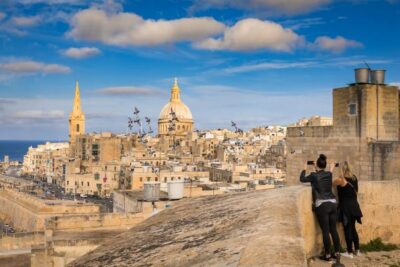 ★ 4.3Valletta: Guided Walking Tour with Optional Cathedral TourFrom $46758 reviews
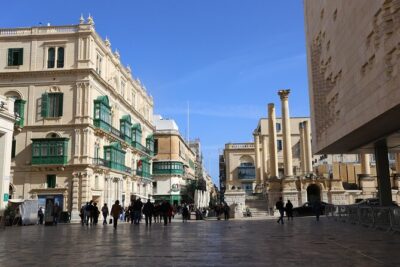 ★ 5.0The Valletta Street Food and Culture Walking TourFrom $66711 reviews
Browse the lists this tour appears in