
REVIEW · WALKING TOURS
World War II Malta Full-Day Walking Tour
Malta’s WWII story is all angles and echoes. This full-day walk strings together the siege timeline with real places you can stand on, from underground shelters to harbor viewpoints. I especially like the Fort St Elmo and waterfront moments, because the scenery actually helps you understand why this island mattered so much.
I also like the way the tour includes hands-on access, not just streets and plaques. You get tickets to air raid shelters and entry into the Lascaris War Rooms, where Malta’s defense was planned and where major Allied leaders directed operations.
One possible drawback: the schedule is packed, so some stops can feel a bit time-limited. If you want to linger with photos and slow reading, you may feel like you need an extra day in Valletta afterward.
In This Review
- Key highlights worth showing up for
- Vittoriosa to Valletta: how this route tells the siege story
- Inside Lascaris War Rooms: the underground command center
- Fort St Elmo and the Valletta Land Front: views with context
- Air shelters: learning what people did when the bombs came
- RAF monument, George Cross, and the home-front scars you can still see
- Valletta streets, the Opera House bombing site, and Victory Gate moments
- Operation Pedestal memorial and the Siege Bell over Great Harbor
- Pace, time at stops, and how the day feels in real life
- Value check: is the $71 price fair for what you get?
- Should you book this WWII Malta walking tour?
- FAQ
- How long is the WWII Malta full-day walking tour?
- Is hotel pickup and drop-off included?
- What’s included in the price?
- Is lunch included?
- Which key sites are part of the tour?
- Is this tour suitable for people with mobility impairments?
- What should I bring?
Key highlights worth showing up for
- Air-raid shelters you can walk through and connect to the siege air campaign.
- Lascaris War Rooms access to the underground command setting, not just an exterior pass.
- Fort St Elmo and Valletta Land Front points that give context plus wide harbor views.
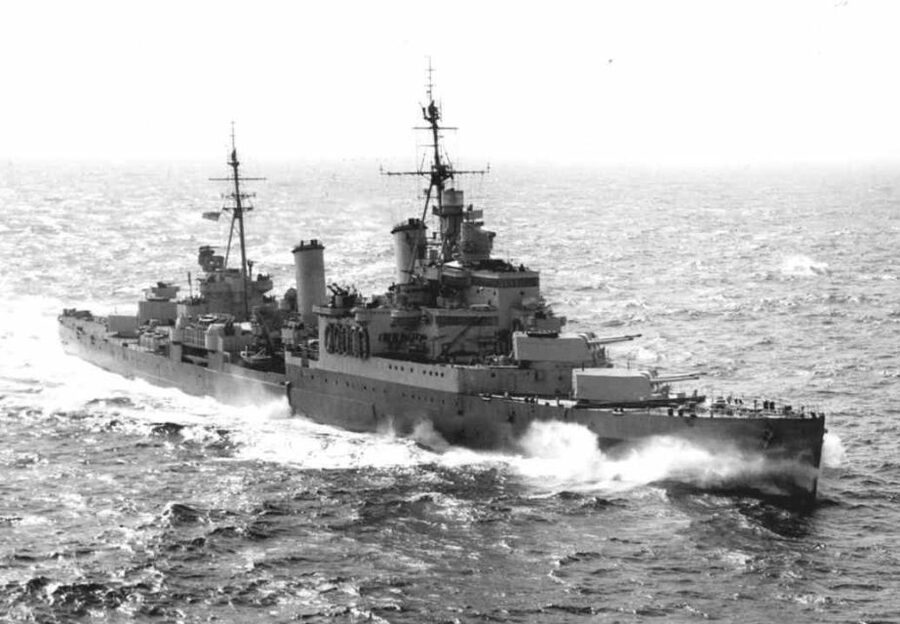
- Memorial stops tied to Commonwealth losses and key naval events like Operation Pedestal.
- Siege Bell viewpoint and Upper Barracca Garden statues for a strong sense of place at the end.
Other guides worth walking behind
- The Original Valletta Walking Tour
★ 5.0 · 2,719 reviews - Valletta: 3-Hour Walking Tour
★ 4.7 · 1,605 reviews - Valletta: Guided City Walking Tour
★ 4.8 · 1,256 reviews - Valletta: Street Food and Culture Walking Tour
★ 4.8 · 1,251 reviews
Vittoriosa to Valletta: how this route tells the siege story
This is a 7-hour walking tour that focuses on the WWII fight for control of Malta between 1940 and 1942. You move through Vittoriosa and Valletta, and the guide weaves a clear line from early Axis pressure to Malta becoming a British stronghold that could attack supply routes. The route works because it doesn’t treat WWII like a generic slideshow. It connects tactics to geography: harbors, fortifications, and command points all explain why people fought and why buildings were targeted.
A big part of what you learn is Malta’s shifting role. Once North Africa’s front heated up in mid-1940, Malta’s value jumped again. British air and sea forces based on the island could strike Axis ships carrying supplies and reinforcements from Europe. And when Rommel warned in May 1941 that without Malta the Axis would end up losing control of North Africa, it wasn’t a slogan. It was a recognition of how the island functioned in real logistics and real timelines.
The walk is also good for people who like structure. You get a set route, a licensed local guide, and enough context that you’re not just guessing what you’re seeing. That matters in Valletta, where it’s easy to feel like you’re surrounded by history but unsure where to start.
Inside Lascaris War Rooms: the underground command center
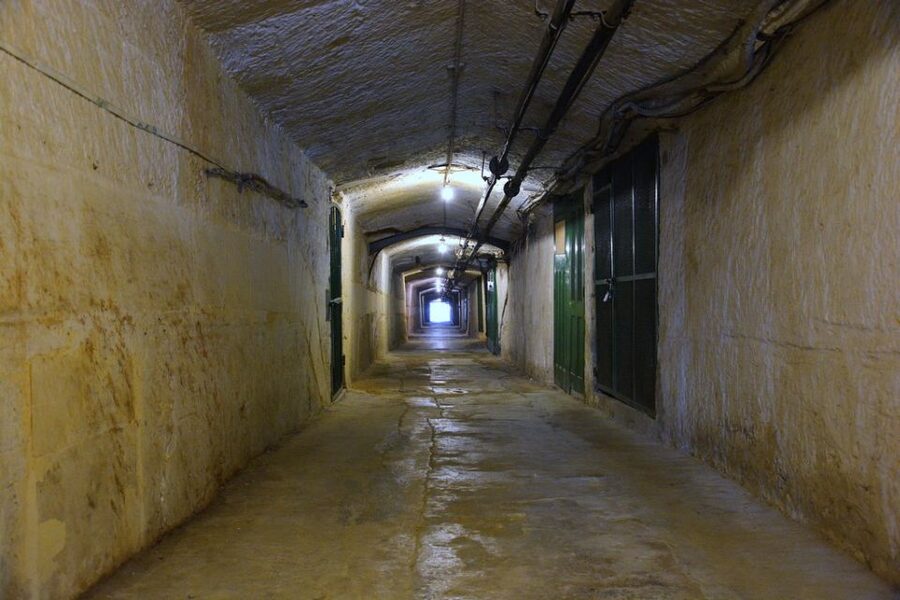
One of the best reasons to book this tour is that it doesn’t stop at monuments. You also enter the underground Lascaris War Rooms, where Malta’s air defense was run and where major Mediterranean sea battles were discussed. This is the kind of place that instantly makes WWII feel less abstract. From inside, you understand that defense was not only about planes and ships. It was about communication, planning, and control.
You’ll also connect the dots to the bigger Allied story. The war rooms were where General Eisenhower and his supreme commanders, Admiral Cunningham, Field Marshal Montgomery, and Air Marshal Tedder directed the invasion of Sicily in 1943. Even if Sicily feels like a different chapter, the setting helps you see how Malta fit into the wider campaign picture.
Practical note: underground spaces can feel cooler and dimmer than the street. If you run cold, bring a light layer. Comfortable shoes matter even more here, because you’ll be doing walking and standing in enclosed areas.
Fort St Elmo and the Valletta Land Front: views with context
Fort St Elmo is a highlight for a reason. It’s not just a fort you pass by, it’s a viewpoint and a defensive position, so it naturally connects to the siege period. From there, the harbor and fortifications stop being background. They become part of the strategy.
You also visit the Porta Reale, a curtain wall at the center of the Valletta land front. This helps you understand how defenses weren’t only about a single battle. They were layered, built to absorb pressure and protect key routes. Malta’s wartime survival depended on that kind of planning and on maintaining defensive coherence through constant threat.
And because Valletta is Valletta, you get both history and photogenic edges. The tour later reaches Upper Barracca Garden, where you can see statues including Winston Churchill and other prominent men. It’s a strong end-of-day spot to breathe and look outward, since the siege story has a lot of inward, underground intensity. Upper Barracca gives you a different angle, literally and emotionally.
Air shelters: learning what people did when the bombs came
The included air shelter experience is one of the most interesting parts of the day. This is where you move from names and dates into lived experience. Underground spaces show you what protection looked like and how a civilian population and a military defense network had to cope with air attacks.
What I like most is that the shelters are tied directly to the larger Malta story. The guide sets the stage with how Malta faced both Italian and German air and naval pressure, while Royal Air Force and Royal Navy forces fought to keep control. Once you’re inside, that context clicks. You’re not hearing about tactics in the abstract. You’re standing in the physical response to those tactics.
That said, one thing to consider is pacing. Some tours in this category can move quickly through underground spaces. If you’re the type who wants lots of time to read every sign and linger in each corner, you might wish the tunnel time were longer. The upside is that you’re still getting access plus narration, which is usually the hardest combination to arrange on your own.
Other Valletta bookings we have been through in detail


RAF monument, George Cross, and the home-front scars you can still see
Part of what makes this tour feel meaningful is that it doesn’t only focus on the military. It also addresses the human cost. You see the commemorative RAF monument honoring the 2,298 Commonwealth aircrew who lost their lives in WWII air battles. It’s a heavy number, and it lands better when it’s part of a walk that’s already been explaining how air power shaped Malta.
The tour also points you toward Misrah San Gorg (St. George’s Square), a site tied to a George Cross awarded to the island in 1942. That gives you a direct way to connect Malta’s survival to the wider recognition of civilian and military endurance under siege conditions.
Then you get the home-front angle. You pass places linked to the Victory Kitchens, community kitchens built to avoid food waste during shortage. This is one of those details that makes the day feel real. It’s not just about what was destroyed. It’s about how daily life adjusted, how people tried to keep going, and how scarcity changed behavior.
If you like your history with cause and effect, this section works. The WWII narrative isn’t only about who attacked. It’s also about how Malta adapted to sustain itself.
Valletta streets, the Opera House bombing site, and Victory Gate moments
Valletta is a maze of small streets and big meanings, and this tour uses it well. You walk along Strada Stretta, a lively street that helps you shake off the underground intensity before stepping into the next story. It’s also a reminder that the siege happened in a city that still had daily rhythms.
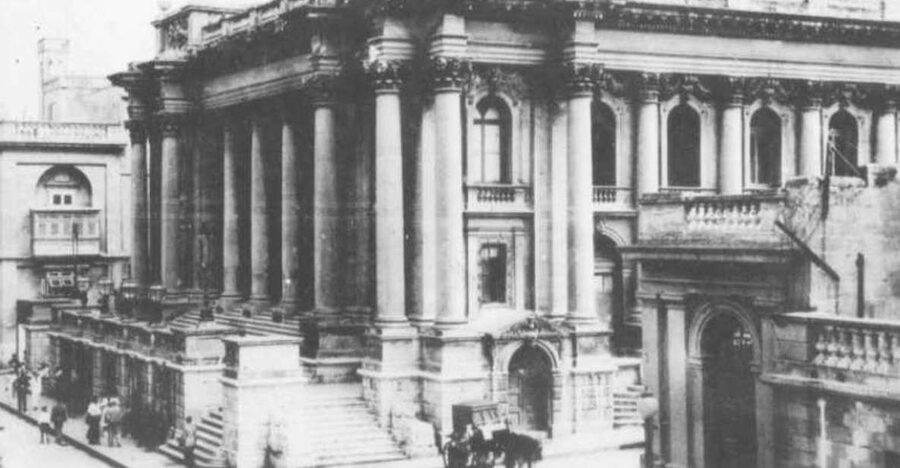
You visit Pjazza Teatru Irjal, the site of the former Royal Opera House, extensively bombed in 1942. That stop is smart because it shows what war hit beyond the obvious targets. Cultural landmarks, community spaces, and morale all became part of the battlefield.
Another strong waypoint is Republic Square, where you see the Queen Victoria Statue. It’s one of those practical moments. It helps you re-orient geographically and gives you a recognizable landmark while the guide layers on the WWII context.
The tour also includes Victoria Gate, built on the site of the old Del Monte Gate. Gates are more than architecture in a defensive city. They are movement, access, and vulnerability. When you view them with siege history in mind, you start seeing the city as a system, not a postcard.
Operation Pedestal memorial and the Siege Bell over Great Harbor
The emotional high points tend to cluster near the end, and the tour does this well. You visit the Santa Marija Memorial, an anchor-shaped memorial connected to Operation Pedestal. If you care about naval WWII, this stop gives you a concrete tie between Malta’s position in the Mediterranean and the dangerous effort to keep supplies moving.
Then comes one of the most iconic views of the day: the Siege Bell Memorial overlooking the Great Harbor of Valletta. It was built in 1992 to honor the 7,000 people who lost their lives during the Siege of Malta. Seeing the harbor from here makes the whole day’s storytelling feel tighter. You can almost imagine the ships and the air raids, not in a movie way, but in a geography way.
If you’re traveling with someone who needs a visual payoff, this is where the tour earns it. You end with meaning plus a panorama.
Pace, time at stops, and how the day feels in real life
This tour runs about 7 hours, and it includes pick-up and drop-off from your hotel or the nearest point. That helps a lot if you don’t want to plan transit between Vittoriosa and Valletta on your own. It also means you can focus on the sites rather than logistics.
About the pace: you’ll get enough time to see each place, and the guide typically keeps things moving without turning it into a stop-and-go parade. One positive pattern I’ve experienced with tours like this is that you have room to absorb a stop, not just rush through. Still, there are limits. Some underground areas and forts can feel like they get just a couple of viewing segments, and the tour may prioritize covering more key points over maxing out your time at any one location.
Food is the other thing to plan for. Lunch is not included, and you’ll want to be ready to grab something quickly either before you start or during a small window in Valletta. If you’re the kind of person who likes a long sit-down meal, plan for shorter meals today, or save the full dining experience for afterward.
Value check: is the $71 price fair for what you get?
At around $71 per person for a full day, this isn’t a throwaway bargain, but it also doesn’t feel overpriced for what’s included. You get a licensed local guide, pick-up and drop-off, plus entry related tickets to the air raid shelters and the Malta War Museum.
That ticket value matters because it’s not only about access. It’s about someone on the ground explaining what you’re looking at while you’re actually there. Without a guide, you can still visit many sites, but you would likely spend more time figuring out what to prioritize and what connects the dots across the day.
Where you might feel the value most depends on your learning style. If you like narration and context while walking, you’ll feel the price more clearly. If you prefer independent exploration at your own pace, you might find the schedule a bit tight and wish you had more time to linger.
Should you book this WWII Malta walking tour?
Book it if you want a structured, emotionally grounded WWII overview in one day, with real access to the shelters and war rooms. It’s a great choice for first-time Malta visitors because it links Vittoriosa, Valletta, and the big siege landmarks into a single story you can remember.
Skip it or consider a lighter plan if you hate tight schedules. If you’re prone to needing extra time in each room, you might leave feeling that you saw a lot but could have spent more time. Also, if you’re sensitive to audio clarity on buses or in outdoor stops, plan to sit where you can hear the guide well.
Overall, I like this tour because it treats Malta’s WWII past as something you can walk into. You’re not just learning about history. You’re reading the island’s layout with your feet, then finishing with harbor views and memorials that hit harder than any photo ever will.
FAQ
How long is the WWII Malta full-day walking tour?
The tour lasts 7 hours.
Is hotel pickup and drop-off included?
Yes. Pick-up and Drop-off are included from your hotel or the nearest point.
What’s included in the price?
The tour includes a licensed local guide, pick-up and drop-off, a ticket to Air Raid Shelters, and a ticket to the Malta War Museum. The live guide is English.
Is lunch included?
No. Lunch is not included.
Which key sites are part of the tour?
You visit Vittoriosa and Valletta, and you enter Fort St Elmo and Air Shelters. The route also includes multiple WWII-related stops such as the RAF monument, Porta Reale, Pjazza Teatru Irjal, Misrah San Gorg, Republic Square highlights, Victory Kitchens, Victoria Gate, Santa Marija Memorial, Upper Barracca Garden, Siege Bell Memorial, and the underground Lascaris War Rooms.
Is this tour suitable for people with mobility impairments?
No. The tour is listed as not suitable for people with mobility impairments.
What should I bring?
Wear comfortable shoes.
Boots On Around Valletta
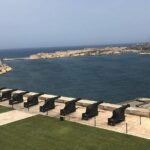

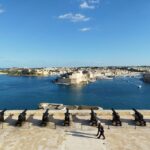


More Tours in Valletta


More Tour Reviews in Valletta
Recently reviewed around Valletta
- Tour of Malta (Private Driver) Including Lunch Platter & Wine in the countryside★ 4.5 · 3 reviews
- Valletta: Express Walk with a Local in 60 minutes★ 4.9 · 4 reviews
- Shore Excursion: Private Full-Day Tour of Valletta & Mdina★ 5.0 · 4 reviews
- Valletta Private Historical and Cultural Walking Tour★ 5.0 · 4 reviews
- Private Tour in Malta Prehistoric Temples & Mdina★ 5.0 · 4 reviews
- Private Tour of the Maltese Island (Private Driver)★ 5.0 · 4 reviews
- Leisure Pass in Malta★ 4.0 · 4 reviews
- Malta tour 3Cities , Marsaxlok ,Blue grotto Hagar qim★ 4.9 · 4 reviews
Walking Tours, compared.
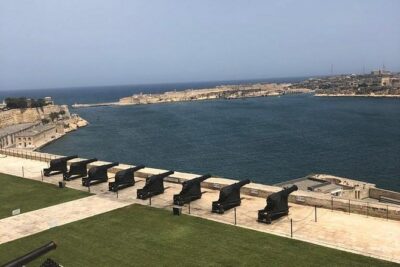 ★ 5.0The Original Valletta Walking TourFrom $262,719 reviews
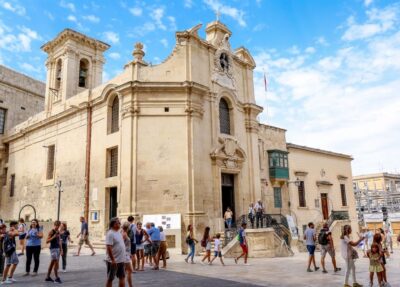 ★ 4.7Valletta: 3-Hour Walking TourFrom $251,605 reviews
 ★ 4.8Valletta: Guided City Walking TourFrom $241,256 reviews
 ★ 4.8Valletta: Street Food and Culture Walking TourFrom $651,251 reviews
 ★ 4.8Mdina and Rabat Walking Tour with CatacombsFrom $291,126 reviews
 ★ 4.9Valletta: City Walking Tour in a Small GroupFrom $24957 reviews
 ★ 4.3Valletta: Guided Walking Tour with Optional Cathedral TourFrom $46758 reviews
 ★ 5.0The Valletta Street Food and Culture Walking TourFrom $66711 reviews
Browse the lists this tour appears in